For three days this November, Lima's coastal strip became the whole country in miniature. From October 30 to November 1, the Explanada de la Costa Verde in Magdalena del Mar hosted Perú, Mucho Gusto Lima 2026, a festival that gathered cooks, farmers, fishers and producers from every one of Peru's 25 regions — so visitors could taste their way from the Andes to the Amazon without leaving the shoreline.
The appeal went beyond cheap eats, though affordability was part of the design: dishes from each region were priced within easy reach, letting people build their own tasting route stand by stand. Many of the recipes on offer normally demand a long journey over mountains or into the jungle, so the festival doubled as a shortcut for travellers short on time.
What set the event apart was the direct contact with the people behind the food. Rather than anonymous stalls, visitors met the growers and cooks whose daily work sustains each regional tradition — a chance to attach a face and a story to every flavour. International visitors got a crash course in the breadth of Peruvian cooking, while locals rediscovered favourites and found new ones.
Awards closed out the weekend. Las Dalias Huaral from Lima took the Most-Loved Dish prize for its chancho al palo with Huando orange; Ucayali's Campodrim Super Foods won Most-Loved Beverage for its Amazonian fruit drinks; El Pallar of Ica was recognised for preserving culinary traditions; and Cusco's Watya earned the Innovation award for dishes like a Nikkei-style trout tiradito and a ceviche built on pine mushroom leche de tigre. Eleven professionals, including specialty coffee advocate Chiara Nicolini, received licences to carry the Marca Perú national brand.
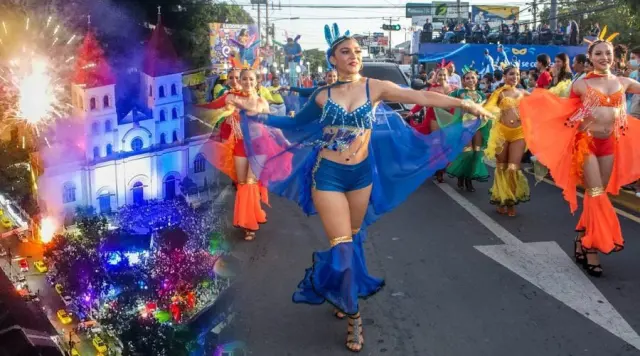
Food aside, the programme covered a lot of ground. Coffee workshops featured beans from six regions and let participants blend their own, pisco sour tastings ran alongside live cooking demonstrations, and a market sold cacao, Andean grains and chilli peppers straight from the source. Tourism stands connected each taste to an actual destination, and concerts, regional dances and parades — plus kid-friendly reading, games and art corners — kept families around long after the plates were cleared.
For anyone planning a Peru trip, the festival is a useful lens: it shows how sharply the cuisine changes with the terrain, and which regions deserve a detour for their food alone. If you missed this edition, keep an eye out for future instalments — the event has become one of the clearest single-day (well, three-day) introductions to the country's regional kitchens, and the connections made on the Costa Verde tend to turn into itineraries further afield.