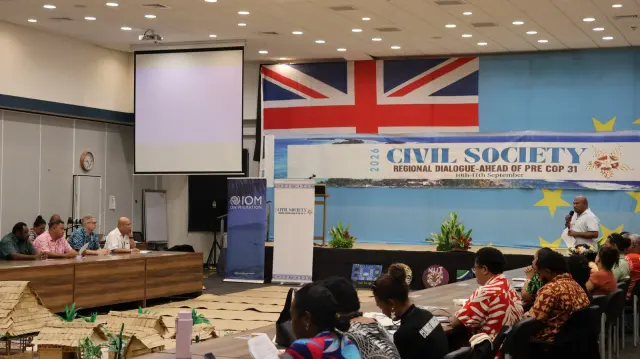
The Marshall Islands has scored another milestone in its long campaign for recognition of the damage caused by American nuclear weapons testing. At the UN Human Rights Council in Geneva, a resolution titled "Technical assistance and capacity-building to address the human rights implications of the nuclear legacy in the Marshall Islands" was adopted by consensus on 7 October, during the Council's 63rd session.
Samoa introduced the text on behalf of a Pacific Core Group that included Fiji, Kiribati, Nauru, Papua New Guinea, Vanuatu, the Federated States of Micronesia and the Marshall Islands itself. The resolution asks the UN to keep providing technical help through the Office of the High Commissioner for Human Rights to tackle the health, environmental and intergenerational harm left behind by the tests.
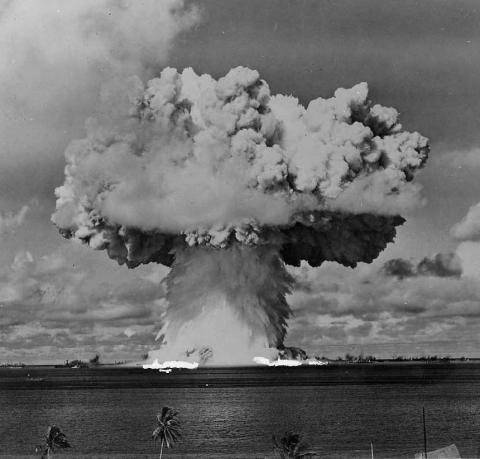
The numbers behind the campaign are stark. Between 1946 and 1958, while the islands were under UN trusteeship, the United States carried out 67 known nuclear tests there. Marshallese representatives told the Council that communities remain displaced from ancestral lands, some people live in contaminated areas near a nuclear waste site, and families are still losing relatives to cancer. The country's position is that a settlement made during its transition to independence cannot be considered final without truth and full disclosure — as its representative put it, without truth there can be no justice.
The resolution is built around five aims: truth, justice, reparation, guarantees of non-recurrence and memorialisation. Support came from Indonesia, Cuba and South Africa, with Cuba urging the US to declassify test records and pay full reparations. South Africa paid tribute to the late Marshallese leader Tony deBrum, who saw the aftermath of testing as a child and became a leading voice for nuclear justice. France, the UK and Pakistan raised doubts about the forum, arguing the matter belongs in bilateral talks or specialist technical bodies — but none called a vote, so the text passed unanimously.
Why should travellers care? Anyone considering a trip to the Marshall Islands is stepping into a country where this history is not abstract. It shapes the outer atolls people visit, the displaced communities that welcome them, and the national identity you encounter in Majuro. Travellers interested in memorialisation and dark-tourism history will find the resolution relevant context: the push for remembrance is itself part of the story a visitor experiences. For the wider Pacific, the consensus vote also signals a region standing together on an issue that outlasted the tests by decades. Credit: Islands Business.