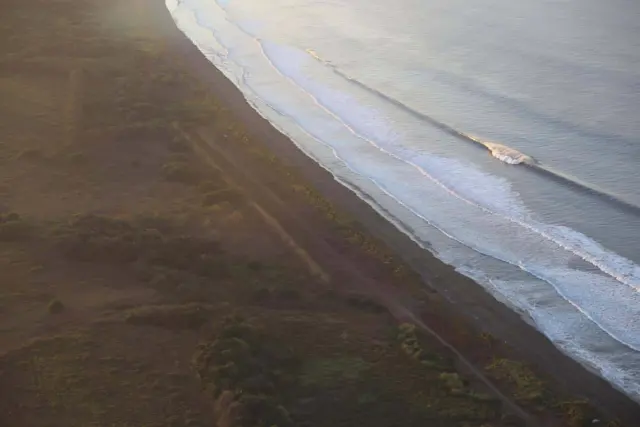
Playa Langosta, the quieter neighbour of Costa Rica's surf hub Tamarindo, made headlines in early November after dead fish, rays and even two bull sharks turned up along the San Francisco Estuary. The animals were reported on Nov. 4, and images of the die-off prompted the Ministry of Environment and Energy (MINAE) to open an investigation led by the National System of Conservation Areas (SINAC).
A leading theory is natural rather than sinister. Biologist Teresita Ulate of National University (UNA) believes a sandbar blocked the estuary's mouth, cutting off the exchange of water between the mangrove and the Pacific just as a dry spell — partly linked to El Niño — reduced freshwater inflow. Less oxygen in, more demand out: bacteria feeding on decomposing organic matter consume oxygen too, and Ulate's own June water tests in the mangrove had already recorded low oxygen levels, which she called a warning sign for the ecosystem. Authorities stress the cause isn't confirmed, and human activity hasn't been ruled out pending the technical analysis, which will also look at water quality and warmer Pacific conditions.
Locals didn't wait for officials. Eduardo Vargas, director of the Tamarindo Integral Development Association, said strong seasonal tides had pushed sand from nearby stretches of coast and sealed the opening. Residents first attacked it with shovels, then brought in permitted heavy machinery, and later rains helped widen the channel again. But Vargas is clear that reopening the mouth is a stopgap — a lasting fix means managing the mangrove at the watershed level.
In the meantime, lifeguards told people not to collect or eat the dead animals (they were decomposing) and warned residents to steer clear of the estuary, since a sudden supply of carcasses can pull crocodiles closer to shore. The ministry also asked people not to alter the estuary's mouth on their own.
For travellers, the practical takeaway is straightforward. Playa Langosta's beaches remain open, but the estuary behind them — a popular spot for kayak and boat wildlife tours where you'd normally hope to spot crocodiles, herons and mangrove life — is under investigation and best treated with caution until SINAC publishes findings. If you're in Tamarindo in the coming months, check with local operators before booking an estuary tour, respect any closures or advisories, and never swim in the estuary itself, which has always carried crocodile risk and now has an added draw for the animals. The episode is also a reminder that this coast's mangrove ecosystems are fragile and under real strain from El Niño-driven drought across Guanacaste, where water supplies are stretched. Travellers who care about the region can support operators that follow permit rules and leave the sandbar management to the authorities.
There's no indication the die-off affects swimming beaches or town facilities — it's an ecosystem event, not a safety crisis for the strip of hotels and restaurants along Playa Langosta. But if you were planning a wildlife-focused estuary excursion, it's worth waiting for the investigation's conclusions.
Reported by The Tico Times.