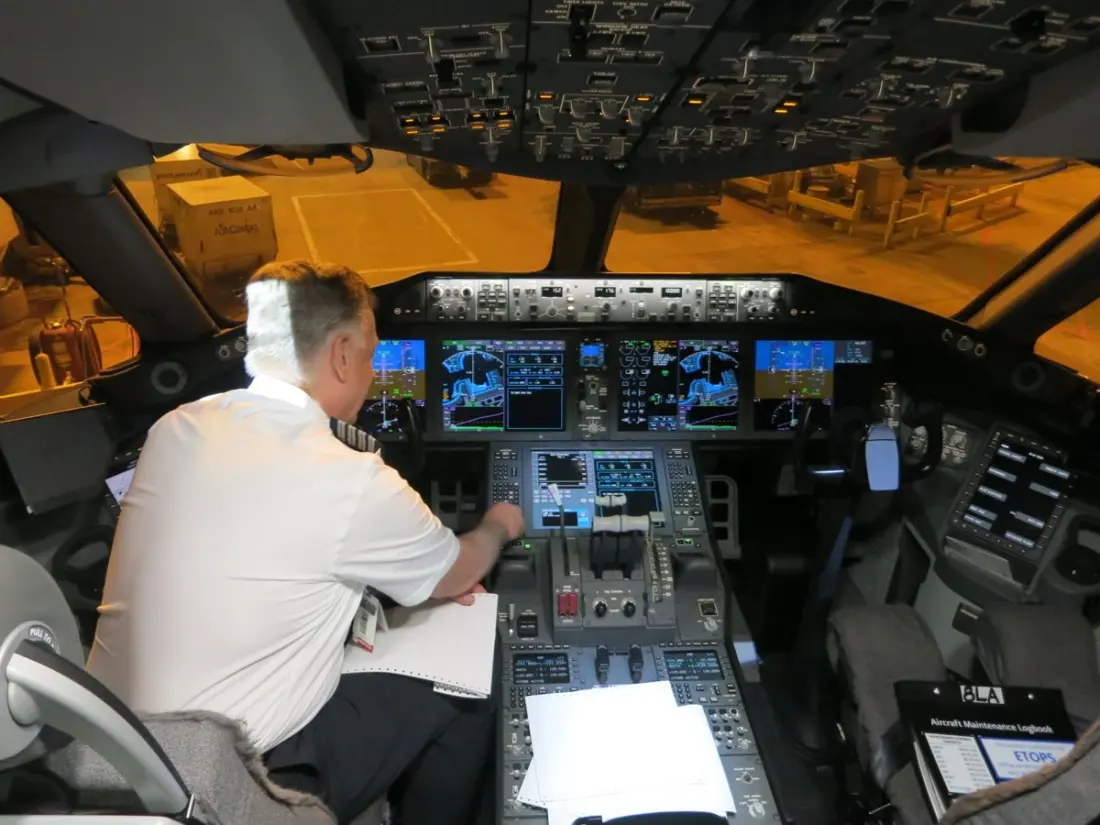
A headline-grabbing stat is doing the rounds: 77% of European pilots say they've experienced a microsleep or fought to keep their eyes open in the cockpit. The figure comes from a survey of roughly 7,200 pilots across 32 countries, commissioned by the European Cockpit Association and run between early August and early September. Before you swear off flying, though, it's worth unpacking what the number actually measures — and what it doesn't.
The survey's own wording blends genuine microsleeps with pilots who were merely nodding or struggling to stay awake. It's also self-reported and distributed through pilot unions, an advocacy group pushing for stricter work rules. Still, the broader findings are hard to dismiss: nearly 39% said they usually or always lacked enough recovery time to stave off cumulative fatigue, and about a quarter admitted that when too tired to fly, their usual response was to stay quiet and fly anyway. That last number points to a real incentive problem — reporting fatigue can cost money and invite management scrutiny, so airlines never see the full picture.
Fatigue isn't evenly spread either. Low-cost and charter pilots reported far more frequent sleepiness episodes than those at network carriers, and countries like Malta, Ireland and Spain topped the list. Timing matters more than distance: a European field study following 392 crew found the probability of high fatigue at the start of descent hit 34% on night duties and 42% on trips spanning the body clock's 2am–6am low point, versus just 15% on daytime duties. Repeated short sectors and overnight returns from the Americas to Europe also stack up.
One reassuring detail: controlled in-flight cockpit naps are actually permitted under European rules, and a 2024 field study found pilots who took them performed better before landing. The US hasn't authorised the same practice, though American rules under Part 117 — introduced after the 2013 Colgan Air crash — require 10 hours' rest with an eight-hour sleep opportunity. Europe generally requires slightly more rest, and US all-cargo carriers can opt out of fatigue rules entirely, a gap even pilot unions want closed.
Why should a holidaymaker care? Aviation remains extraordinarily safe, and scheduled rest is built into the system. But this survey is a good reminder of how schedule design — red-eyes, multi-sector days, tight turnarounds — affects the people up front. If you have a choice between a civilised daytime departure and a cheap 6am or overnight flight, the daytime option is genuinely easier on everyone, crew included. The survey is a lobbying document as much as a safety study, but the underlying science on circadian lows and rest quality is solid, and it's nudging regulators on both sides of the Atlantic toward rules that match the actual demands of each route.