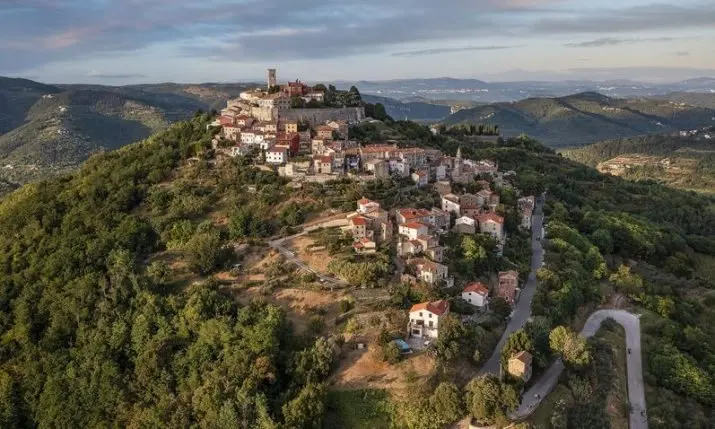
Motovun's famous hilltop walls draw coachloads of visitors every summer, but the Istrian town has a problem the tourist numbers can't fix: too few people actually live there year-round. That challenge was the focus of the 10th International Congress of the Most Beautiful Small Towns of the Mediterranean, held in Cisternino in southern Italy, where delegations from Istria — including officials from Novigrad and Motovun — swapped ideas with counterparts from across the region.
The core issue is familiar across Mediterranean small towns: young people move to bigger cities for study and work, birth rates fall, and villages gradually age into seasonal shells. Croatia feels it acutely, with many coastal and rural communities swelling dramatically in July and August, then emptying out for the rest of the year.
Motovun is trying to counter the drift with practical incentives. The town offers financial help for newborns and sells affordable building plots to young families. Mayor Tomislav Pahović admits the measures haven't yet produced a dramatic turnaround, but argues that keeping even one family in town counts as real progress. Nearby Novigrad is working on similar ground; its mayor, Anteo Milos, stresses doing everything possible to persuade people to come back and build lives in smaller communities.
The Italian congress also offered proof it can work. One Cisternino-area resident, Fabio, returned after 15 years in London and now runs a family property combining a restaurant, guest accommodation and farm production. Another, Katrine, settled there after living in several European countries — both cited quality of life and community ties as the deciding factors.
The conference gathered a checklist of measures towns can adopt: better childcare, extended school programmes, cultural and sports activities, improved transport links and faster internet. None are glamorous, but together they're the difference between a postcard and a functioning town.
For travellers, this story matters in a quiet way. The places you love visiting — Motovun's truffle country, Novigrad's fishing-port charm on the western Istrian coast — stay authentic only if locals can afford to live there year-round. Choosing family-run konobas, farm stays and off-season trips directly supports the people these towns are trying to keep. Visiting Istria outside the July-August peak, when restaurants and wineries serve a local crowd rather than a tour-bus one, is a small but genuine way to help small towns stay towns rather than turning into summer-only resorts.