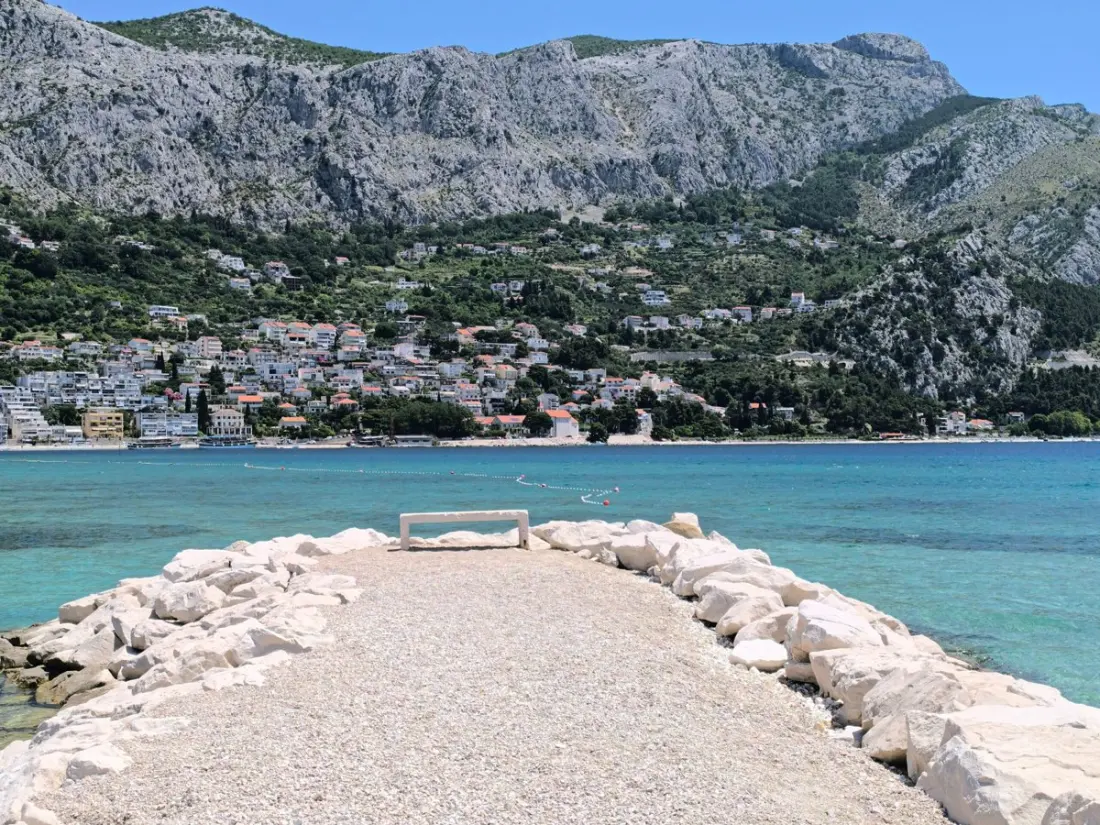
Central Dalmatia is wrapping up another strong year on the Adriatic. In the first ten months of 2026, Croatia's Split-Dalmatia County welcomed 3.9 million visitors who racked up 18.6 million overnight stays in commercial accommodation — up 1% in arrivals and 0.5% in nights on the same period last year, according to the national eVisitor system.
The guest mix is telling: Europeans dominate, with Poles topping the charts, followed by Germans, domestic Croatian travellers, visitors from Bosnia and Herzegovina, Brits and Czechs. For anyone who assumed Dalmatia's appeal rests purely on British and German beach traffic, the strength of the Polish market is the standout stat of the season.
Tourist board director Ivana Vladović is keen to stress that the county is no longer living and dying by the summer. The shoulder and winter months are being filled with events designed to pull visitors in year-round, and November's calendar is a good example. Omiš hosts the international gastronomic festival Grand Gourmet, while Dugopolje runs the International Honey Fair Dalmatina. In Kaštela, Zinfest – Fešta o' Crljenka celebrates the region's link to one of the world's most famous grape varieties — the Zinfandel connection that ties Dalmatian vineyards to California's signature red.
Active travellers get a look in too, with the national rafting championship on the Cetina river and the Hileja Marina Trail running event. Split adds a food-focused festival, Štorije o' spize, dedicated to Dalmatian producers and traditional flavours, plus the Dalmatia Film Festival. And from the end of the month, the Christmas Village in Gornji Dolac opens the road to the Advent season, when Split and neighbouring towns roll out their festive markets and programmes.
There's a bigger prize on the horizon: in 2027 the county takes on the title of European Region of Gastronomy. The board sees it as a chance to put local producers, traditional dishes and the Dalmatian hinterland — the rural interior that often gets overlooked in favour of the coast — at the centre of the region's identity, backed by new promotional campaigns aimed at both domestic and international audiences.
Why it matters for travellers: if your mental image of Dalmatia is shoulder-to-shoulder beaches in August, the numbers and the November programme suggest a different trip is on offer. Autumn brings food festivals, wine celebrations, film screenings and river sports without the peak-season crowds, and 2027 will make the region an especially good pick for anyone who plans holidays around eating well.
Full story via Total Croatia.