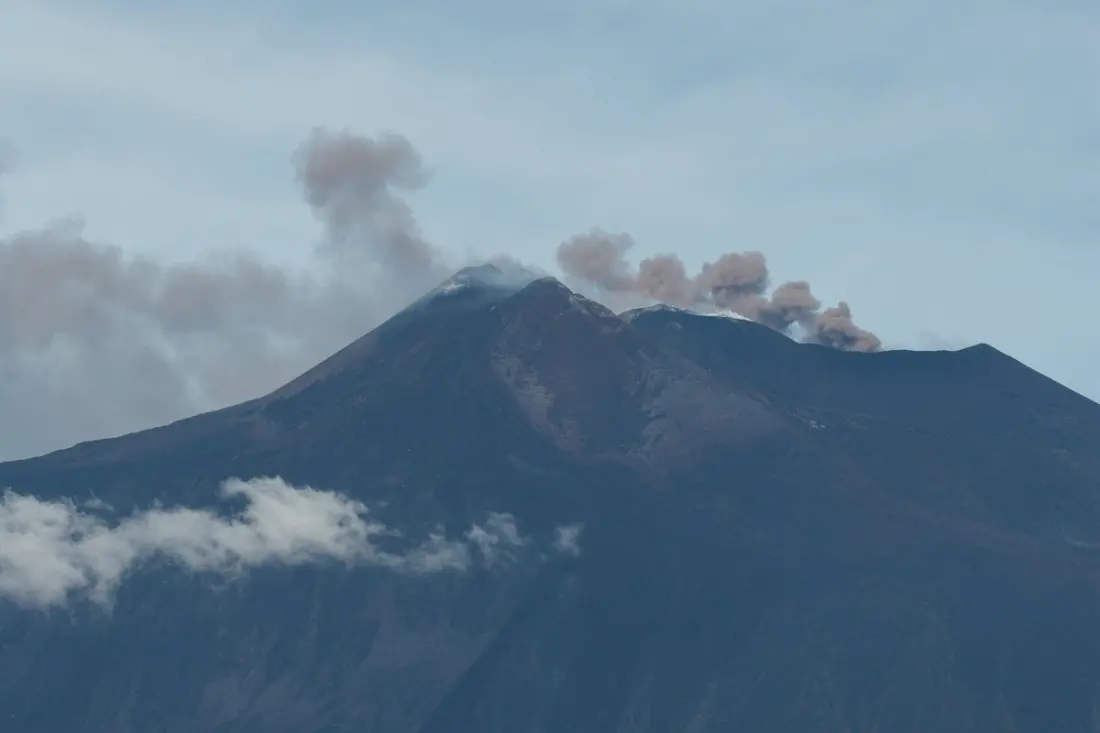
If you're flying into Sicily this weekend, check before you leave for the airport. Catania-Fontanarossa, Italy's fifth-busiest airport by passenger traffic, suspended all arrivals on Saturday after ash from Mount Etna combined with bad weather. Incoming flights are grounded until 1000 GMT on Sunday, though the situation can shift quickly when the volcano is active.
This is not a one-off. Etna — Europe's tallest and most active volcano — sends ash clouds over the airport often enough that disruptions are almost routine, but this summer has been unusually disruptive. Flights were halted on 14 September, and an earlier closure in August landed right on Ferragosto, the peak of Italy's holiday season. That August shutdown stretched to five days, the longest since 2022, and left thousands of travellers scrambling during the busiest two weeks of the year.
The reason airports take zero chances is simple: ash and jet engines don't mix. Volcanic ash is essentially pulverised rock and glass, and it can be sucked into aircraft engines, causing them to stall. Boris Behncke of the National Institute of Geophysics and Volcanology's Etna Observatory has explained that this is precisely why authorities ground flights at the first sign of significant emissions. No landing until the ash clears — which is why even short-lived eruptions can ripple across flight schedules for a day or more.
For all the drama, Etna itself rarely harms people on the ground. The last eruption-linked fatalities were nearly four decades ago, in 1987. The more recent danger has come from lightning on the mountain: officials note that strikes have killed more people near Etna in recent decades than volcanic activity has. In August, a 29-year-old American tourist from Kansas died after being struck by lightning while hiking in a zone that had been closed off due to volcanic activity; he was flown out by helicopter but could not be saved. It's a grim reminder that closures exist for a reason — if an area is off-limits, stay out of it.
Practically speaking, if you have a Catania trip booked during volcanic unrest, build slack into your plans. Airlines typically rebook affected passengers, but accommodation on the ground can fill up fast when dozens of flights get cancelled at once. Travel insurance that covers volcanic disruption is worth a look if you're visiting between spring and autumn, when Etna is most active. Keep an eye on the airport's official channels rather than relying on airline apps alone — they're not always the first to update. And remember Palermo airport on the island's north coast as a fallback; it's usually unaffected by Etna's ash and connected to Catania by a long but workable drive or train.
The takeaway isn't to skip Sicily — Etna is one of the island's great draws, and most eruptions inconvenience rather than endanger visitors. But if your holiday hinges on landing at Catania during peak season, a little flexibility goes a long way.