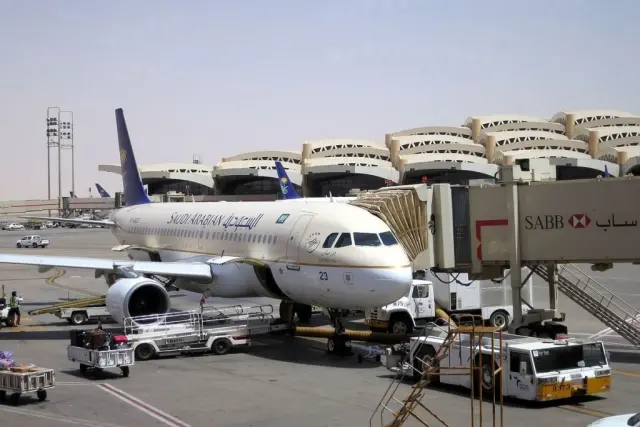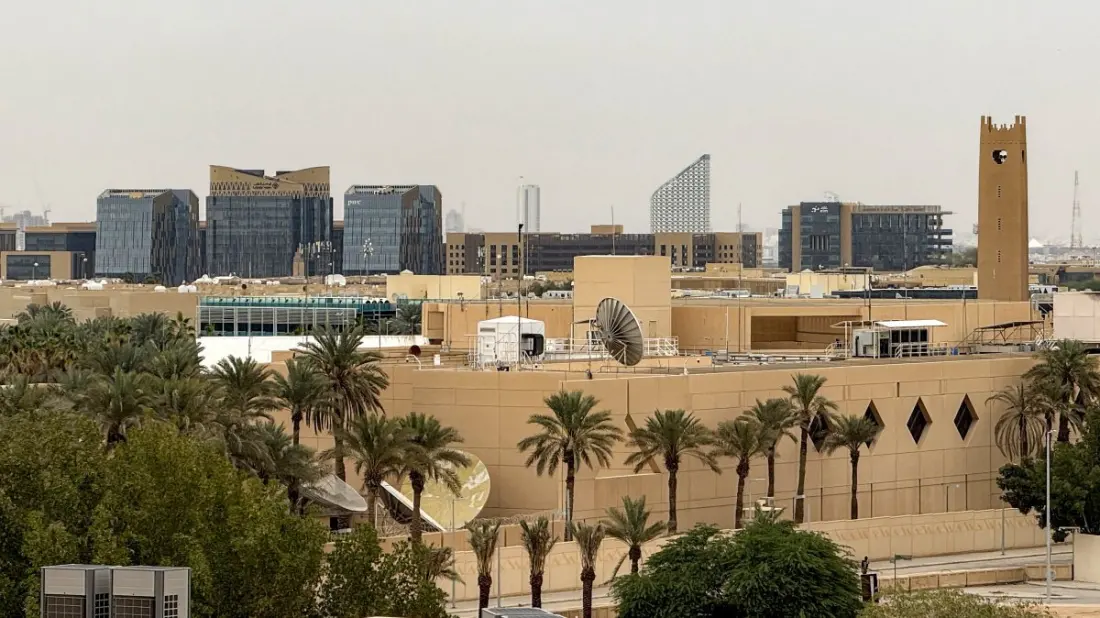
The US State Department has ordered non-emergency government staff and their families to leave Saudi Arabia, citing escalating attacks by Yemen's Houthi movement — including deadly strikes on Riyadh's airport and other civilian infrastructure. The announcement, made on Wednesday by spokesperson Tommy Pigott, applies only to the US mission in Saudi Arabia.
Pigott was quick to shut down wider speculation. Earlier reports, based on three US officials, suggested Washington was preparing similar drawdowns at embassies across the entire Gulf region over fears of renewed regional hostilities. Pigott called those reports "inaccurate" on X, clarifying that the ordered departure covers US government employees and family members in Saudi Arabia alone. Two officials had indicated the measure could ultimately extend to all personnel at the US Mission to Saudi Arabia.
The trigger is a wave of Houthi attacks on Saudi territory. The US Embassy in Riyadh issued a security alert the same day warning of possible further strikes, after recent attacks targeted civilian airports and critical infrastructure, causing casualties and significant travel disruption. Protecting American diplomatic staff and their families, Pigott said, remains the department's highest priority.
For travellers, this is a meaningful signal. When a government orders dependents out of a country and warns of strikes on civilian airports, the risks are not theoretical — air travel through affected hubs can be disrupted at short notice, and airspace or airport operations may be affected by security incidents. Anyone with flights booked through Riyadh, Jeddah or Dammam in the coming weeks should check their airline's latest guidance, review their government's travel advisory (which may have been raised or amended), and consider flexible or refundable booking options.
The broader context matters too: the episode reflects concern about a possible resumption of large-scale hostilities involving the Iran-aligned Houthi militia in Yemen, with potential spillover across the Gulf. Even though the US has stressed the departure order is Saudi-specific, travellers to neighbouring Gulf states — the UAE, Qatar, Bahrain, Kuwait or Oman — should stay alert to how the situation develops, since regional tension can affect flight routes and insurance coverage quickly.
If you have a trip to Saudi Arabia planned, it's worth knowing that many travel insurers exclude destinations once a government advises against travel, so policies may already be void for non-essential trips. Tour operators and airlines are generally offering rebooking when advisories change, but acting early gives you more options than waiting until departure week.
This is one to monitor rather than necessarily one to cancel — but with embassy families being flown out and airport strikes in recent memory, anyone heading to the Kingdom soon should go in with their eyes open.