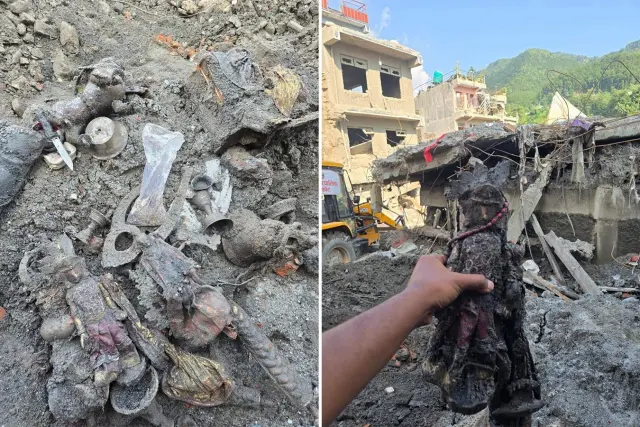
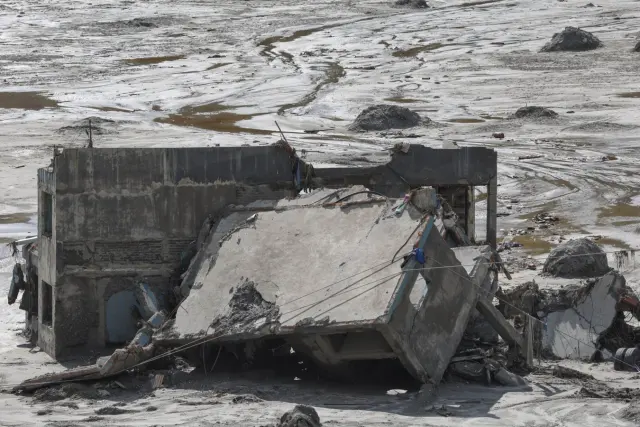
A mountain slope high in the Himalayas collapsed and sent a catastrophic flood surging through Nepal — and the chain of events that caused it is a warning for anyone travelling in high-mountain regions. According to reporting carried by Adventure.com, the disaster began with ice and rock, not just rain: a mass of frozen debris and unstable slope gave way, unleashing a wall of water that moved at tens of metres per second down the valley.
What makes this event especially instructive is how it outsmarted the systems meant to protect people. Nepal's flood early warning systems have genuinely saved lives in the past, giving downstream villages precious minutes to reach high ground. But those systems lean heavily on river-level gauges, which are designed for slower monsoon flooding. A sudden debris-laden torrent is a different beast — it arrives too fast, and it likely destroyed the very gauges that were supposed to detect it.
Experts quoted in the report argue for redundancy: seismic sensors that catch a large mass movement the moment it happens, sirens in valley-bottom settlements, and satellite or radio-based alerts that don't depend on a single phone tower a flood can sweep away. They also want hazard monitoring to look beyond the familiar inventory of big glacial lakes, to hanging glaciers, steep ice-and-rock slopes, thawing permafrost, and short-lived debris dams — any of which can fail with little warning. And because rivers don't respect borders, the piece stresses regional cooperation: the floodwater that hit Nepal originated on the Tibetan side, and a second threatening barrier lake sat right on the frontier.
Why should travellers care? Because trekking routes, hydropower corridors and valley roads in the Himalayas pass through exactly these hazard zones, and climate change is raising the odds of slope failures and glacial-lake outbursts. If you're planning a trip to Nepal's mountains, it's worth checking local advisories, knowing where the high ground is relative to rivers, and treating valley-bottom campsites near glacial rivers with respect during warm, wet weather. Minutes matter in these events, and travellers who understand the risk move faster when it counts.
This isn't a story saying stay away — Nepal's mountains remain extraordinary places to explore, and local warning infrastructure has a real track record. It's a story saying go informed, especially as warming destabilises slopes that were once frozen solid.