A new feature film about Tenzing Norgay is giving long-overdue attention to the Sherpa climber who, alongside Edmund Hillary, made the first confirmed ascent of Everest on 29 May 1953 — and it's a good excuse to revisit one of the great adventure stories, and the region that made it possible.
For decades the story was told mostly through Hillary's perspective. The film, covered by Secret London, centres Norgay instead: the Tibetan-born Sherpa who had attempted the mountain multiple times before finally standing on the summit at 8,848 metres, becoming one of the first two people known to have done so. His climb capped years of British-led expeditions through the 1920s and 30s that had repeatedly failed on the mountain, including the enduring mystery of George Mallory and Andrew Irvine in 1924.
The 1953 expedition was led by John Hunt and launched from Nepal's Khumbu region, the Sherpa heartland that remains the gateway for trekkers today. Norgay's role went far beyond carrying loads — his high-altitude experience and route-finding were central to the summit push, and he later became a celebrated figure in India and Nepal, directing mountain training at Darjeeling's Himalayan Mountaineering Institute.
Why should a traveller care? Because the film is a rare mainstream look at the people behind Everest's summit stories — the Sherpa guides whose descendants still run teahouses, carry loads and lead expeditions in the Khumbu. Watching it before a trip to Nepal adds real context to the trail from Lukla to Everest Base Camp, the memorials at Thame and the museums in Namche Bazaar, where Norgay's legacy is part of daily life.
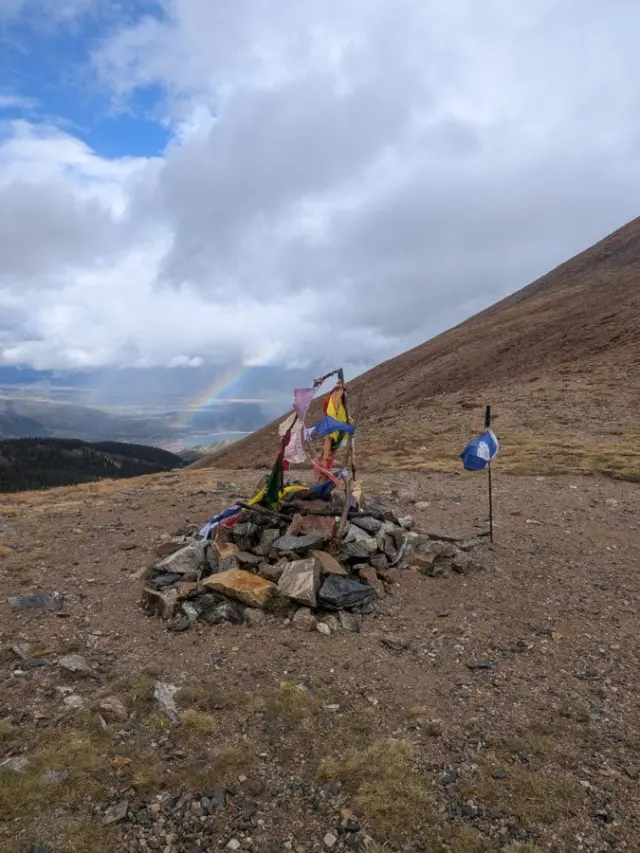
You don't need to climb anything to feel it. The Everest region is one of the world's great walking destinations, and the first-ascent story is stitched into every suspension bridge and prayer-flag-draped ridge along the way. If the film prompts an itch, the Khumbu is where to scratch it.