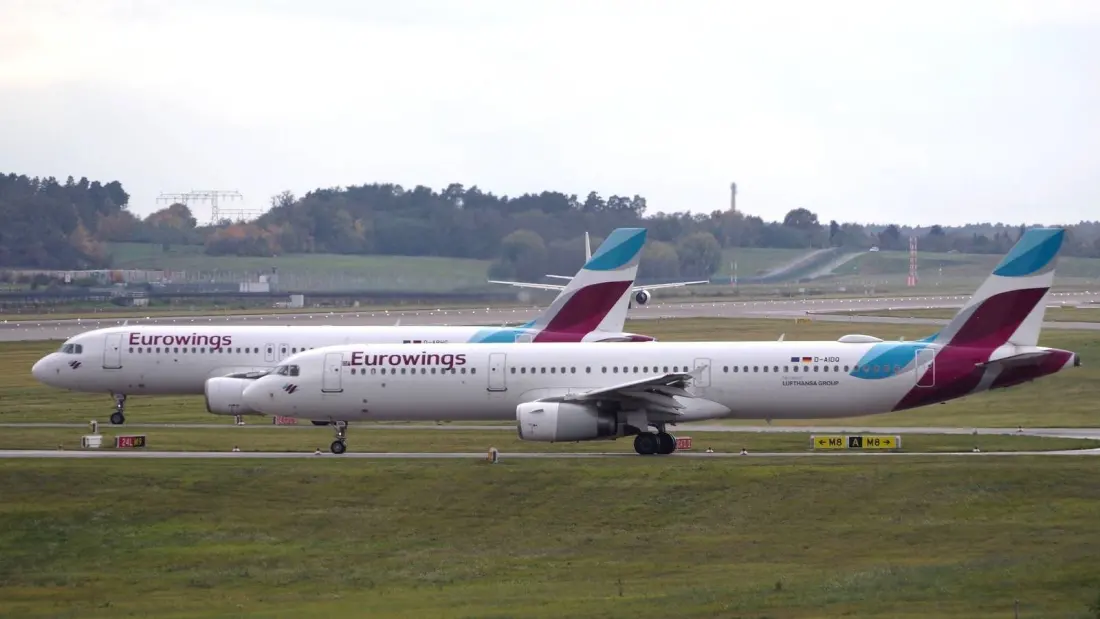
A routine evening flight from Rhodes turned into a full-scale emergency landing at Düsseldorf Airport on Sunday, October 18, after passengers aboard a Eurowings Airbus A321 reported severe illness mid-air. Suspicions point to norovirus, though the exact cause remains unconfirmed while the Lufthansa Group leisure carrier investigates.
The flight, EW9631, is a daily service designed to bring German holidaymakers home from the Greek island. It departed Rhodes at 7:51 PM with 212 passengers and seven crew aboard and landed at 10:03 PM — faster than usual, as the crew had requested priority handling and a medical meet on arrival. Given the potentially contagious nature of the illness, Düsseldorf triggered its mass casualty response alarm, deploying multiple ambulances and fire engines to the stand.
In the end, the scale was far smaller than feared: just three passengers were taken to hospital for further checks. Cabin crew wore masks during the flight as contagion worries spread, and after landing, medical staff in full PPE boarded the aircraft to question passengers about their symptoms. That process, combined with delays passengers said came without explanation, kept everyone aboard until 11:30 PM — more than an hour after touchdown — which reportedly added to the tension on board.
The aircraft itself, a 14-year-old A321-200 registered D-AIDT, was cleared quickly. It returned to service the very next morning with a rotation to Mallorca, followed by an afternoon flight to Heraklion, suggesting authorities saw no lasting risk to future travellers. Eurowings has said only that the cause of the complaints is still unclear and under investigation, with a gastrointestinal infection cited alongside norovirus as a possible explanation.
Why does this matter to travellers? Mostly as a reminder of how airlines and airports handle onboard illness. A mass casualty alarm over a handful of unwell passengers may sound extreme, but norovirus spreads rapidly in enclosed spaces like cabins, so crews and ground teams err on the side of caution. If you're ever on a flight where people fall ill, expect possible delays after landing — medical questioning and deep-cleaning protocols can hold you onboard well past arrival. It's worth noting your rights in such cases: if a significant delay stems from a health emergency, compensation rules get murky, but airlines are generally expected to keep passengers informed. Packing hand sanitiser and washing hands before eating on holiday flights remains the simplest defence against the kind of stomach bug suspected here. For anyone booking Rhodes to Germany routes this autumn, EW9631 is running as normal.