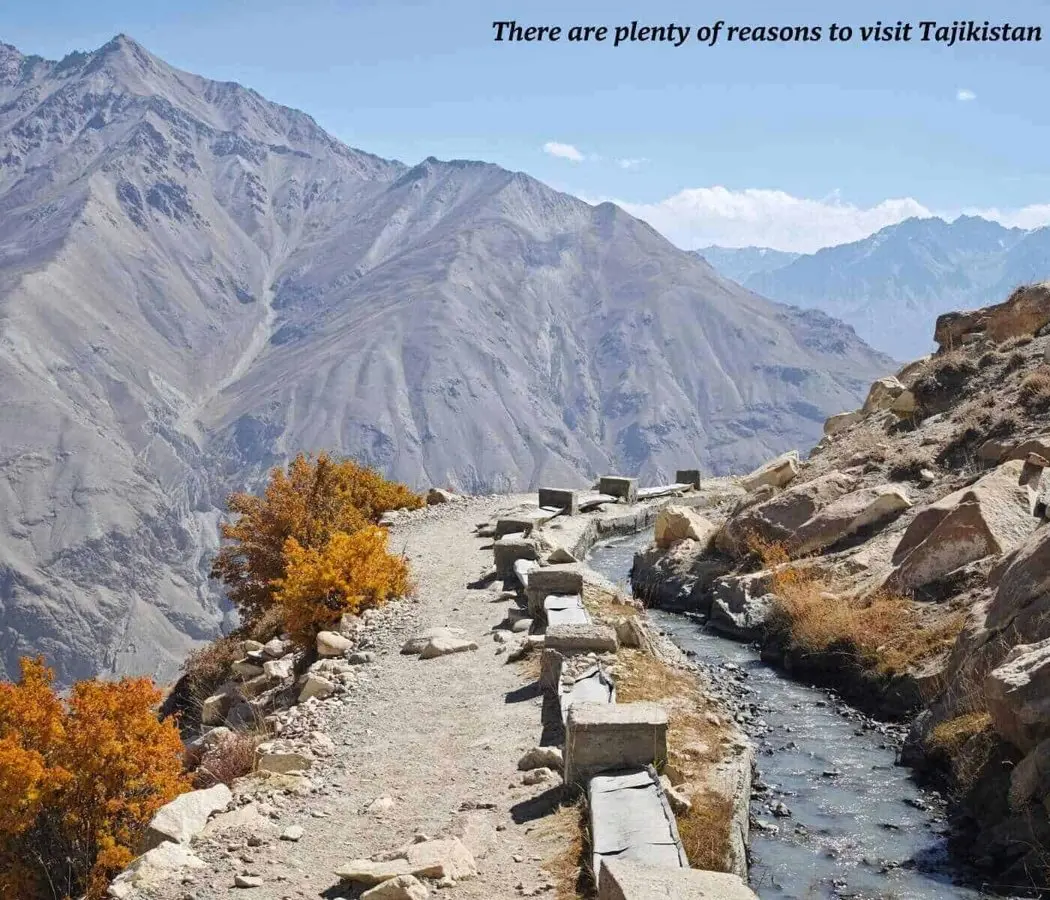
Tajikistan doesn't do understated. This Central Asian country sits at the collision point of tectonic plates, and the result is a landscape of glacier-carved peaks, alpine meadows and river valleys so dramatic that even guidebook writers fall back on the same phrase: the roof of the world. But the mountains are only one reason to put it on your list. Here's what else is waiting.
**The drive of a lifetime**
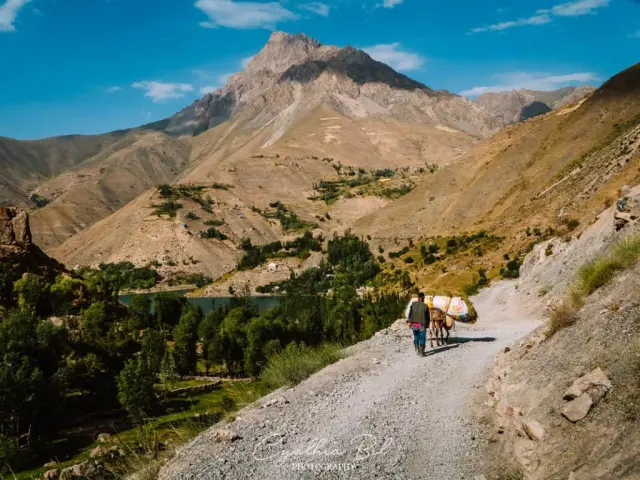
The Pamir Highway between Khorog and Osh in Kyrgyzstan is regularly called one of the world's great drives. Built by Soviet military engineers in the early 1930s, it's the second-highest international road on Earth — and it hasn't had much maintenance since 1979, when it was upgraded for the Soviet invasion of Afghanistan. Expect a rough ride, a sturdy vehicle, and a journey that takes far longer than your mapping app suggests. Travellers do it by car or motorbike, and those who finish call it unforgettable.
**Food, city life and dead-goat polo**
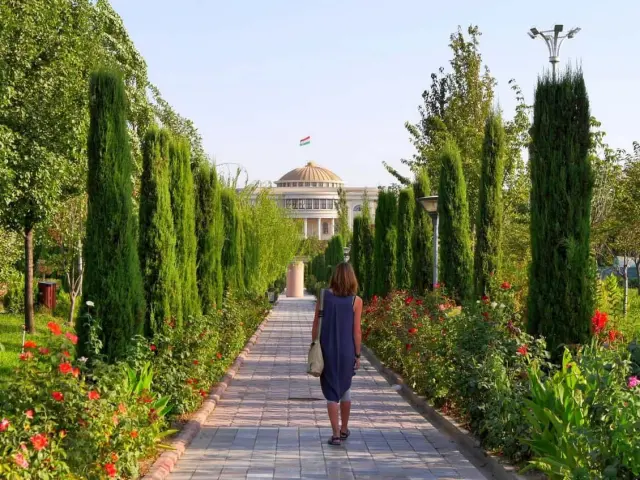
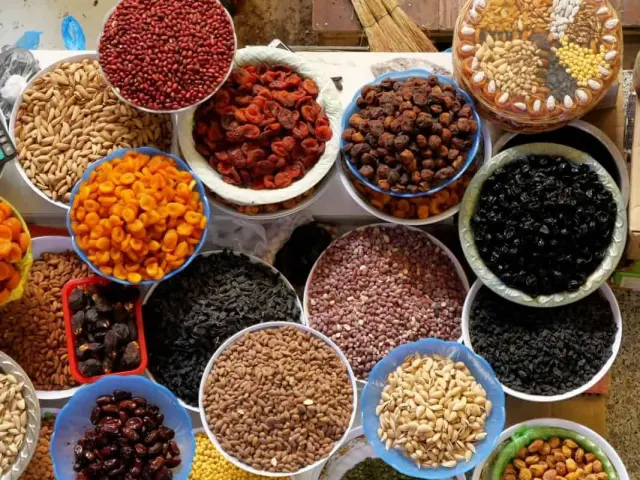
Tajik cuisine leans Central Asian, with Afghan and Russian influences. The staples: plov (oily rice with carrot and meat), qurutob — a dish found nowhere else in the region, made of salty dried yoghurt poured over flaky flatbread — and non, a round flatbread treated with near-reverence. Tea is always on. The capital Dushanbe, a mountain city at 812m, is transforming fast, with sprawling parks, the opulent Navruz Palace and easy day trips to the Romit, Shirkent and Varzob gorges.
For something genuinely different, time your trip around buzkashi — a full-contact horseback sport derived from goat raiding, played in mountain villages at Navruz in late March and on spring and summer holidays.
**Lakes, springs and ancient cities**
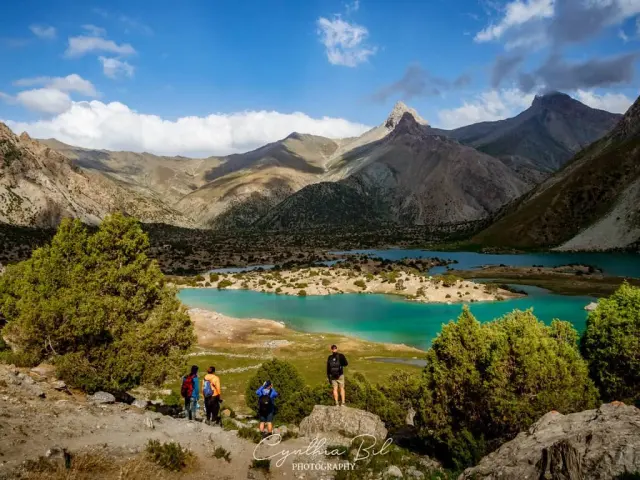
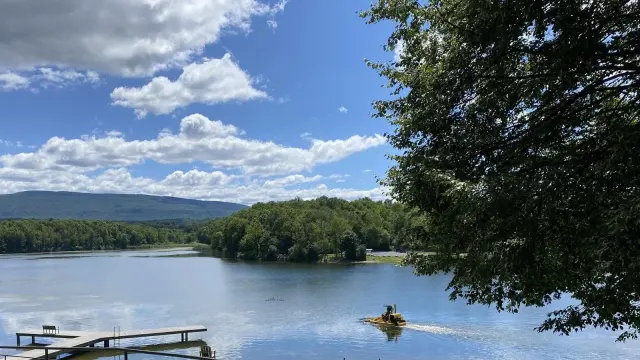
Lake Iskanderkul, a turquoise patch of water ringed by the Fann Mountains, is an easy trip from Dushanbe — camp, rent a boat, or link it to the Seven Lakes on a five-day trek. Further east near Khorog, the Garm Chashma hot springs have built up travertine terraces where locals (and hardy visitors) bathe nude in mineral water said to treat 72 ailments.
History buffs should head to Ancient Panjakent, nicknamed the Pompeii of Central Asia. Abandoned suddenly in the 8th century and never built over, half of its 20ha has been excavated, with streets still laid out as they were when the Arabs arrived. Wilder still is the Yagnob Valley, cut off from the world until a road was blasted through and made a national park in 2019 — its Zamin Karor cliffs host climbing competitions on walls up to 4,767m.
**Why it matters**
Tajikistan suits travellers who want big landscapes, genuine hospitality and few crowds. Homestays are common, and an invitation for 'a cup of tea' usually means a full meal — bring sweets or a cake as a gift, and expect your host to politely refuse it a few times before accepting. Step over thresholds rather than on them, remove your shoes indoors, and you'll fit right in.