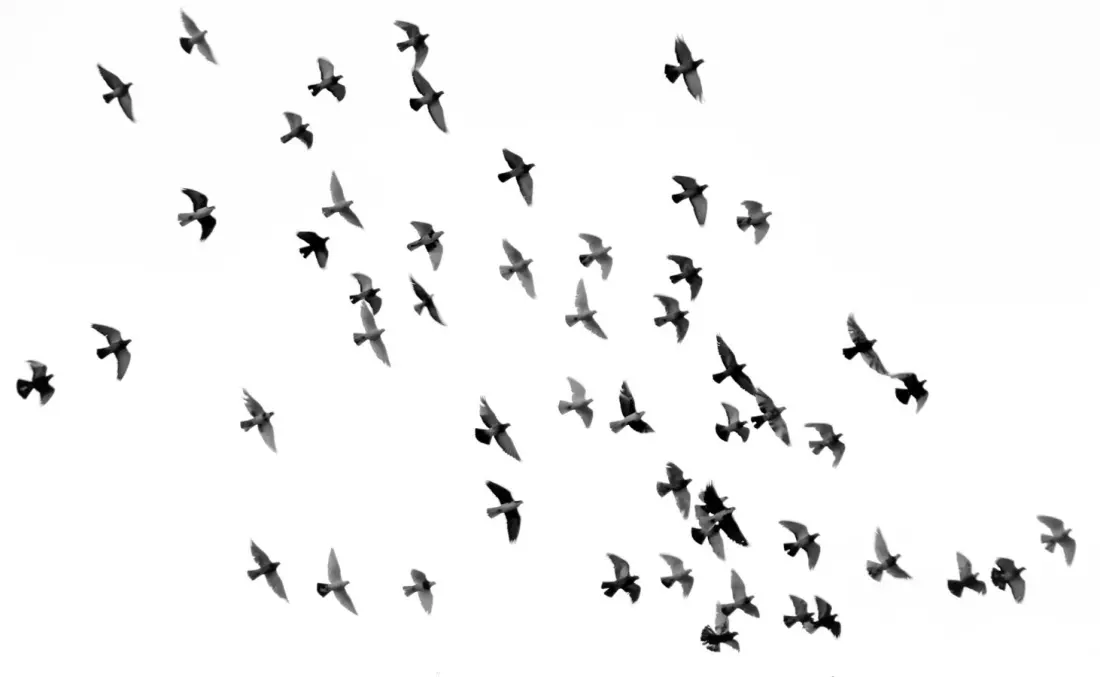
Every spring and summer, South Africa gains millions of temporary residents. Barn swallows that bred in Europe and Asia sweep over open fields, European bee-eaters add green-and-chestnut colour to roadside wires, and tiny waders like the little stint and common ringed plover arrive from northern breeding grounds to probe the country's mudflats. For birdwatchers, the warmer months are peak season — though timing is a lottery, since arrivals depend on species, weather and conditions at the breeding grounds.
The logic of the journey is simple: as the Northern Hemisphere cools and insects vanish, South Africa offers the opposite — warm months full of flying insects, caterpillars and aquatic prey. Swallows, swifts and cuckoos feed on the airborne bounty, while waders concentrate on estuaries, lagoons and wetlands where shallow water exposes rich feeding mud. Intra-African migrants join them too: the red-chested cuckoo, with its distinctive call, and the African emerald cuckoo move with seasonal rainfall rather than from Europe.
The trips are punishing. Birds cross storms, deserts and habitat gaps, and they need healthy wetlands, rivers and coastal estuaries to rest and refuel. That makes the places you visit as a birder genuinely important — disturbed feeding grounds have real consequences.
Where to go? West Coast National Park in the Western Cape is a classic: Langebaan Lagoon and its mudflats draw waders and waterbirds when feeding conditions are good. Further up the coast, the Berg River estuary near Velddrif offers shallow water and exposed mud where migrants bulk up their energy reserves. Inland, Wakkerstroom in Mpumalanga combines high-altitude grasslands with wetlands that buzz through summer, while Limpopo's Nylsvley Nature Reserve protects a seasonal floodplain that can transform after summer rain — water levels determine the birding, so check recent conditions first. In KwaZulu-Natal, iSimangaliso Wetland Park stacks lakes, estuaries, swamps, beaches and coastal forest into one varied spot for both migrants and residents.
No site guarantees sightings, but that's part of the appeal: you're reading seasonal rhythms in real time. And you can contribute — recording sightings via citizen-science platforms like the Southern African Bird Atlas Project helps researchers track shifts in bird distribution, while simple etiquette (keeping distance from nesting and feeding birds) protects the visitors everyone came to see.
World Migratory Bird Day, observed on 10 October, highlights the pressures these birds face — wetland drainage, pollution, coastal development and shifting rainfall all threaten the habitat chain that stretches well beyond South Africa's borders. For travellers, a summer birding trip is a chance to see a global spectacle play out locally, whether that's a swallow's forked tail flashing over a field or a flock of stints settling on an estuary at low tide.