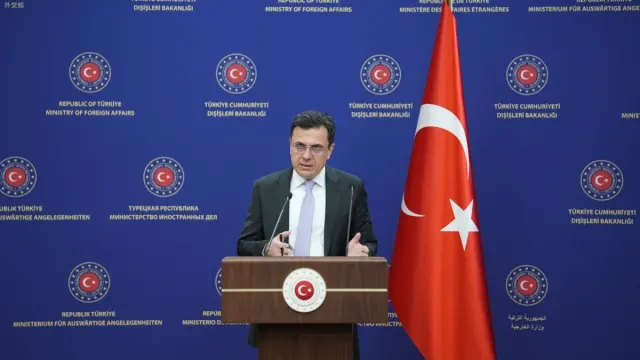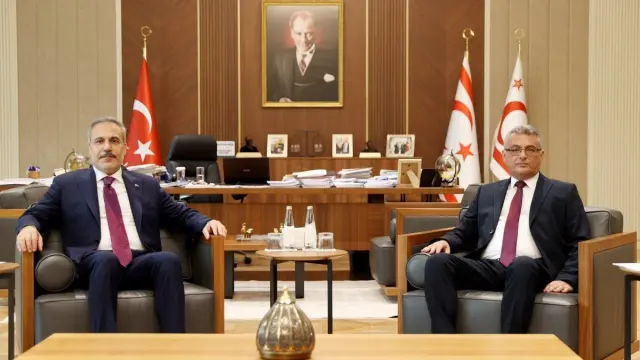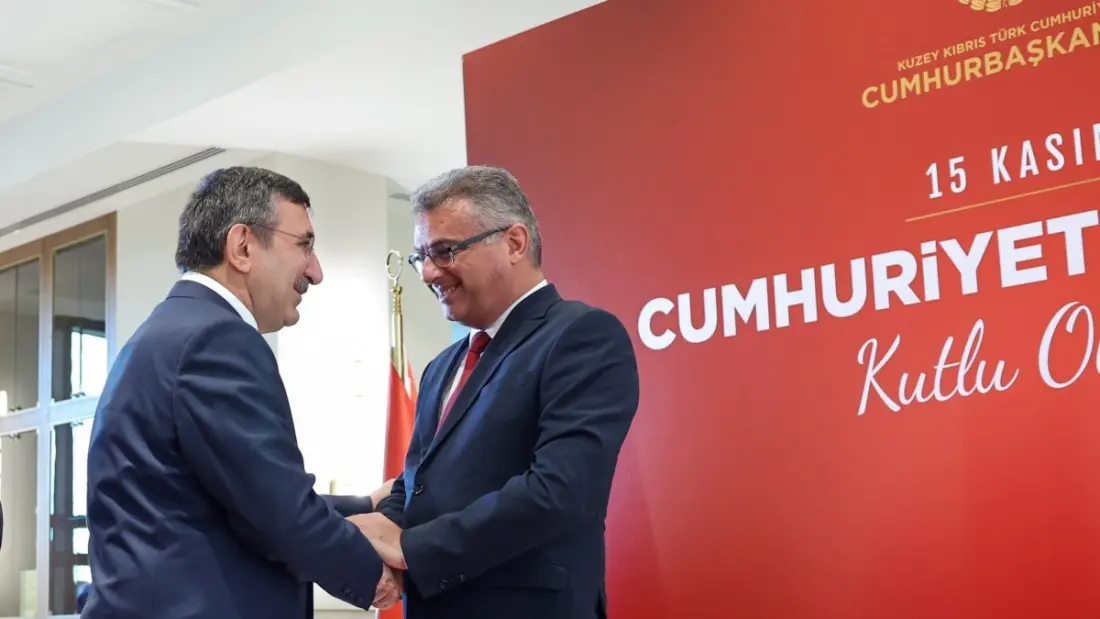
Northern Cyprus turned 43 on November 15, and the anniversary celebrations carried more political weight than usual. Turkish Vice President Cevdet Yılmaz travelled to Lefkoşa (Nicosia) for the Republic Day parades, meeting Turkish Cypriot President Tufan Erhürman and repeating Ankara's line that the island holds two states and that only a two-state settlement is acceptable. President Erdoğan and Foreign Minister Hakan Fidan issued parallel messages of support, calling Cyprus a "national cause" for Türkiye.
The Turkish Republic of Northern Cyprus declared independence on 15 November 1983, nine years after Türkiye's 1974 military intervention, which followed a Greek Cypriot coup backed by Athens. Wreaths were laid at the tombs of founding figures Rauf Denktaş and Dr Fazıl Küçük, while parallel ceremonies ran in Turkish cities with veterans of the 1974 operation in attendance.
The context matters for anyone visiting. The TRNC is recognised only by Türkiye, and an international embargo means flights, post and international communications run through Türkiye alone — most visitors fly into Ercan via Istanbul, Ankara or other Turkish hubs. The Greek Cypriot south, by contrast, joined the EU in 2004 after rejecting the UN's Annan Plan that same year, and talks on a final settlement have been stalled since the Crans-Montana collapse in 2017.
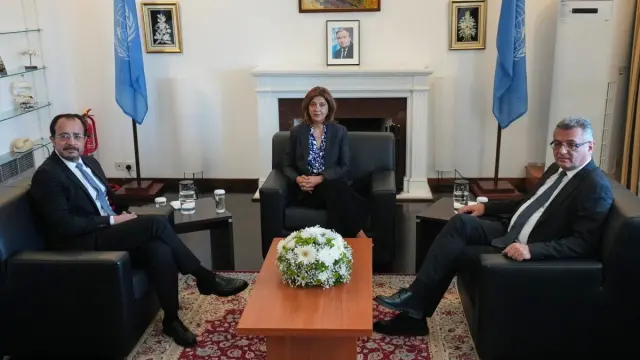
There was a small practical bright spot: earlier in November, Turkish Cypriot leader Erhürman and Greek Cypriot leader Nikos Christodoulides agreed, in UN-brokered talks in Nicosia, to open two new crossing points between the two sides. For travellers, crossings like Ledra Street in central Nicosia already make it straightforward to move between south and north in a single day trip — more crossing points would only widen those options.
The anniversary also exposed tensions. On the Greek Cypriot side, protests including the far-right ELAM saw Turkish and TRNC flags burned, with demonstrators chanting as they tried to march toward the border before police intervened. TRNC Prime Minister Ünal Üstel condemned the flag burnings.
For holidaymakers, the divide is mostly invisible on the ground: the north offers Kyrenia's harbour, the beaches of the Karpaz peninsula and the crusader castle of St Hilarion, while the south has Limassol, Paphos and the Troodos mountains. But the politics shape logistics — entry requirements differ depending on which side you arrive through, and travelling via the south first can complicate things. Anyone planning a Cyprus trip should check the current crossing rules before booking.
Daily Sabah Travel