A 61-year-old British diver has died after being found unconscious during a dive at the Zenobia wreck off Larnaca, Cyprus. The incident happened on Tuesday, 10 November, and local police are now investigating, with a post-mortem examination ordered.
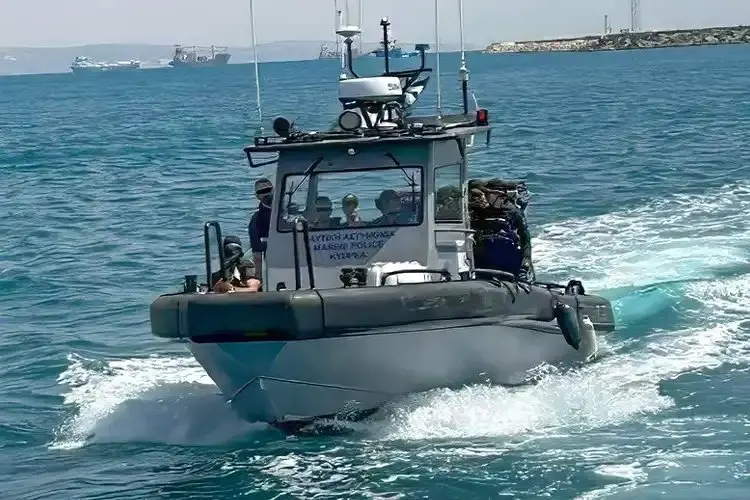
According to a police report, the man — who has not been named — was diving with a group when the instructor leading the dive discovered him unconscious at a depth of around 30 metres. Larnaca's Joint Rescue Coordination Centre was alerted at 10.10am local time, triggering 'NEARCHOS', Cyprus's national search-and-rescue emergency plan. A Port and Marine Police speedboat was dispatched to recover the diver, and an ambulance from the State Health Services Organisation waited at Larnaca Marina. He did not regain consciousness and was pronounced dead at Larnaca General Hospital. No cause has been given for why he lost consciousness.
For anyone who has dived or considered diving Cyprus, the site itself will be familiar. The Zenobia was a 172-metre Swedish roll-on/roll-off ferry that sank on its maiden voyage in June 1980, allegedly laden with trucks and cargo it still carries. It now rests on its port side on the seabed near Larnaca, with the wreck ranging from roughly 16m down to 42m — a depth range that puts parts of it within reach of advanced recreational divers while deeper sections attract technical diving teams. It is consistently ranked among the best wreck dives in the Mediterranean and is a cornerstone of Larnaca's dive tourism industry.
The depth profile is the key safety context here. At 30m, divers are well past the recommended limit for entry-level open-water certification, and narcosis, gas management and air consumption all become more serious considerations. Most operators require an advanced certification or a deep-diving specialty, and good dive shops will insist on a check dive before taking visitors to the wreck. Anyone planning a trip should be honest with operators about their experience level and recent time in the water — cold-water or rusty divers are regularly turned away from this site for good reason.
The story is a sobering reminder for the travelling diver community rather than a signal that the site is unsafe. The Zenobia is dived daily by hundreds of visitors a year, mostly without incident, and Larnaca's established operators run it with strong safety records. But wrecks at this depth demand preparation, appropriate training, well-maintained gear and a buddy you actually stay with. It's also worth checking that your travel insurance specifically covers scuba diving to the depth and certification level you plan to dive, as many standard policies do not.
For divers, Cyprus remains an excellent and accessible Mediterranean destination — warm water from late spring through autumn, direct flights to Larnaca from much of Europe, and a wreck that justifies the trip on its own. This incident underlines that its flagship dive deserves the respect its depth demands.