COP31 is running in Antalya this November, and the Pacific has arrived with a clear message: keep 1.5°C alive, get climate money moving faster, and let island communities lead.
Australia used its national statement to back those calls. Climate and Energy Minister Chris Bowen pointed to the Pre-COP meetings hosted by Fiji and Tuvalu, which set out the region's priorities — climate finance access, resilience and ocean action. Canberra is putting money behind the rhetoric, with a $100 million commitment to the Pacific Resilience Facility, the first climate fund owned and run by the Pacific itself, plus $75 million spread across 14 renewable energy projects in seven Pacific countries.
Bowen also made the case that climate action pays off at home. One in three Australian homes now has rooftop solar, and more than 600,000 household batteries have been installed in the past 18 months under the Cheaper Home Batteries programme. Renewables overtook fossil fuels in the national grid last quarter, a quarter of new passenger cars sold this year are electric (up from one in fifty five years ago), and Australia now ranks as the world's third-largest utility-scale battery market. Globally, he noted, projected warming has fallen from around 4°C before the Paris Agreement to roughly 2.6°C — progress, but still well above the 1.5°C line the Pacific insists on.
The other big thread from the Pacific delegation is who gets to shape climate policy. Kiribati's Environment Minister Ruth Cross Kwansing, speaking for the Alliance of Small Island States, urged countries to turn the Belém Gender Action Plan — adopted at COP30 to run through 2034 — into real support for women, youth, disabled people and rural communities. She flagged examples already working: Fiji mainstreaming gender into budgets and climate-smart agriculture, Tuvalu's women lawyers helping take the climate obligations case to the International Court of Justice, and the new Pacific Pact on Gender and Climate Action endorsed by Forum Leaders. Her core argument: small islands aren't waiting for transitions to happen to them — but they need predictable, grant-based finance to keep going.
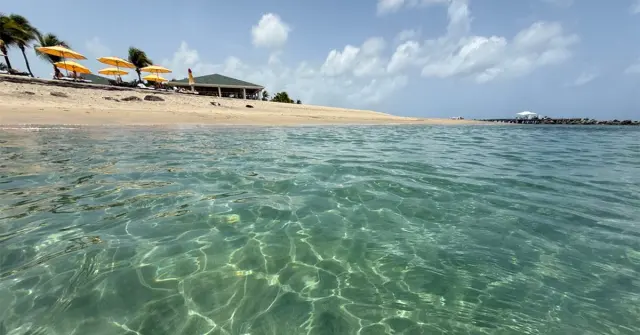
Why should a traveller care? Because the Pacific's future as a destination depends on this arithmetic. Rising seas, coral bleaching and stronger cyclones directly affect the reefs, beaches and villages that make places like Kiribati, Tuvalu, Fiji and Vanuatu worth the long flight. Community-led resilience projects — solar power, climate-smart farming, women-run livelihoods — are also exactly the kind of local initiatives that responsible travellers can support by choosing locally owned tours, stays and experiences when they visit.
There's no single headline outcome yet from Antalya, but the tone from Australia and the region is more aligned than it has been in years. Watch this space: what gets agreed here will shape Pacific coastlines — and Pacific holidays — for decades.
Reported via PACNEWS (Islands Business).