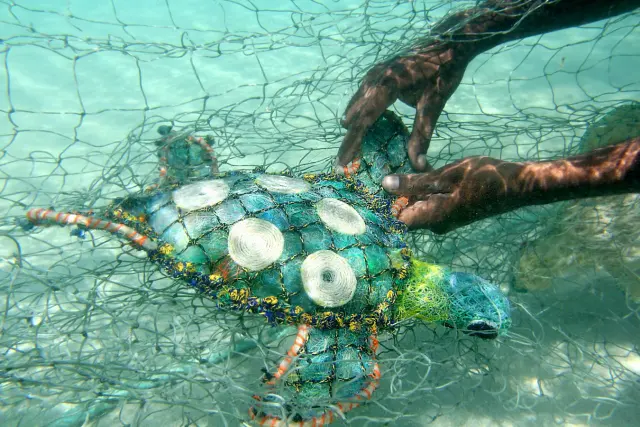
Recycling is quietly becoming a Pacific export business. Three island nations — Tuvalu, Fiji and Samoa — have all hit milestones that turn discarded drink containers into real revenue and cleaner shorelines, with the backing of Coca-Cola Europacific Partners (CCEP) and local collection schemes.
Tuvalu notched up a first: the tiny nation has sold 37 tonnes of recovered beverage-container material — eight tonnes of PET flake and 29 tonnes of aluminium — to CCEP Pacific Islands for AUD 76,721. The PET flake will head to a recycling facility in Melbourne to be remade into new bottles. It's the country's first ever export of PET flake, and it's built on the back of a national deposit levy on imported drink containers. Minister for Home Affairs, Climate Change and Environment Dr Maina Vakafua Talia framed it simply: materials once written off as waste are now generating genuine economic value.
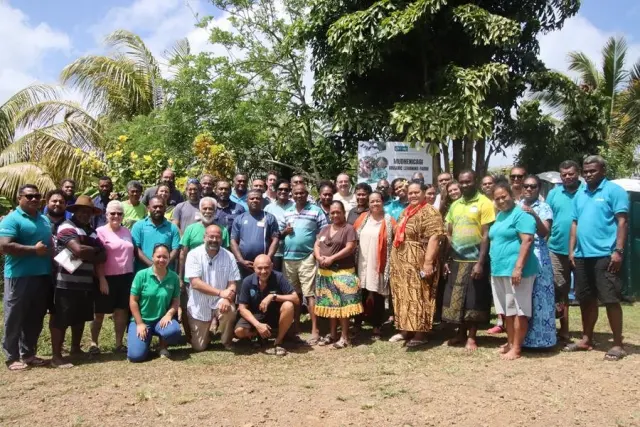
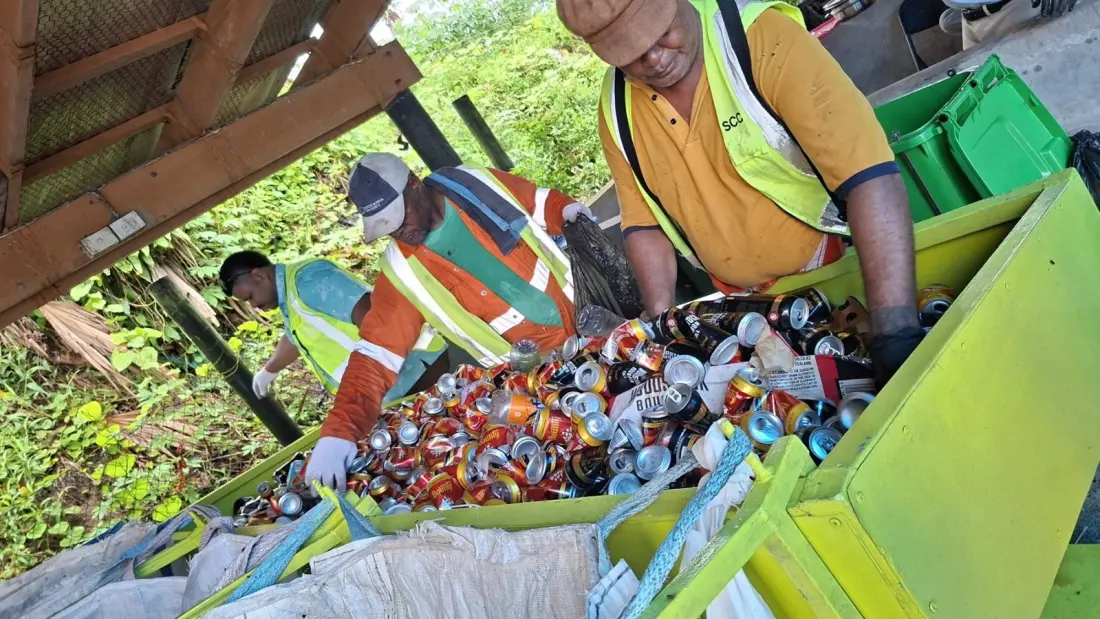
Fiji's numbers are bigger still. The Return & Earn Fiji scheme recovered 17,742,540 containers in just nine months — 8,841,926 plastic bottles and 8,900,614 aluminium cans, from January to September 2026. More than FJD-equivalent $1.6 million was paid out in refunds to the public and handling fees to municipal councils, and 15 shipping containers of processed PET flake were exported under the Moana Taka Partnership. The scheme currently runs 13 collection centres and is eyeing expansion to towns and islands including Tavua, Rakiraki, Levuka, Labasa, Savusavu, Taveuni, Rotuma and Kadavu, with a long-term goal of at least 50 centres nationwide.
Samoa has added infrastructure to match. CCEP Samoa has opened the National Beverage Container Recycling Centre in Vaitele, purpose-built to sort and process PET bottles and aluminium cans for export to verified recycling facilities — and it takes containers regardless of brand. The company has invested more than WST 300,000 in the centre after seven years of community collection work, and has invited over 30 Samoan beverage manufacturers and importers to join the Return & Earn Samoa programme. Local groups like the Samoa Tuvalu Association of Recyclers and the Eco-Green Alliance Warriors of Vailu'utai are helping with collection on the ground.
Why should travellers care? Anyone who has visited a Pacific island knows how much imported bottled drinks arrive there, and how little room there is to bury what's left. These deposit schemes give visitors an easy, meaningful way to lighten their footprint: drop empties at a Return & Earn point, get a refund, and know the material is actually being processed rather than burned or dumped. For a region on the front line of marine plastic, it's one of the more tangible good-news stories going.