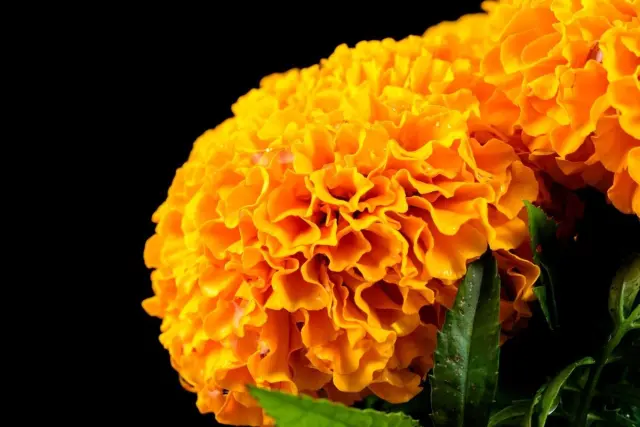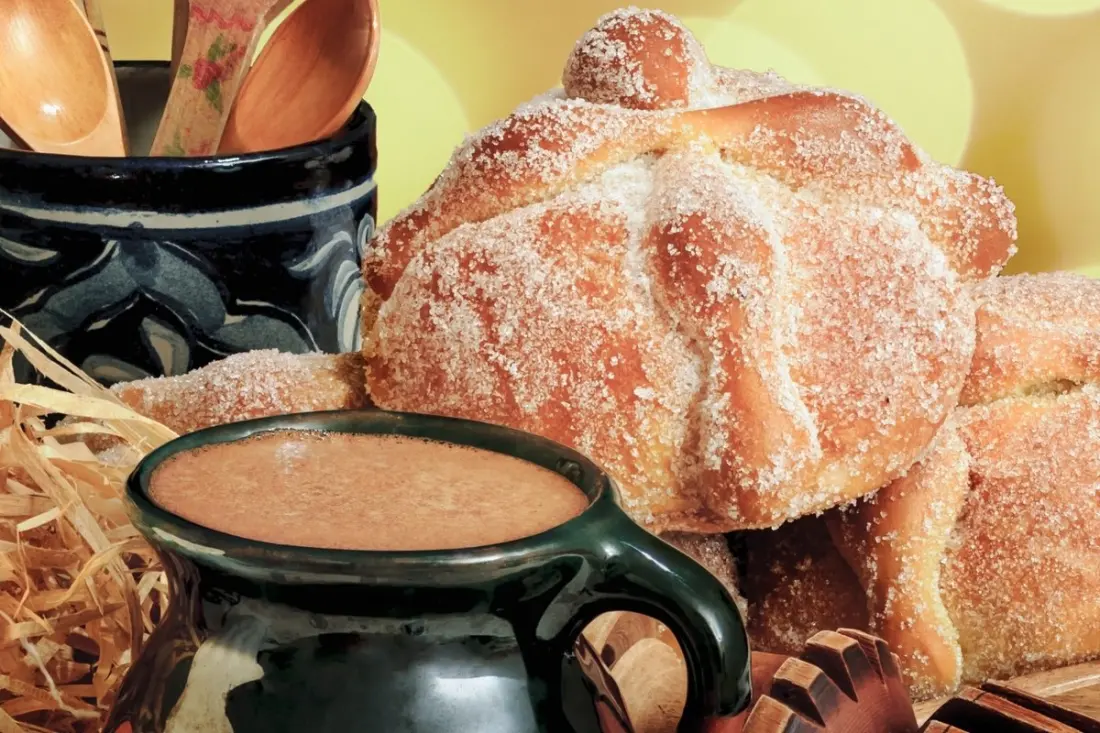
Every late October, Mexican bakeries and supermarket shelves fill with a soft, sugar-dusted bun topped with what looks like crossed bones. It's Pan de Muerto — literally Bread of the Dead — and alongside marigold flowers it's the most recognisable item placed on ofrendas, the altars families build to honour departed loved ones during Day of the Dead.
The bread occupies a slot in the Mexican calendar much like Easter eggs or Thanksgiving turkey: a treat people anticipate for months. Traditionally it only appeared between late September and early November, though supermarkets now push the season from as early as August to as late as December.
What makes it special? A generous dose of butter worked into a standard sweet-dough base, a citrus glaze, and a heavy dusting of sugar. The result is rich, high-calorie and at its best practically dissolves on the tongue. Orange is the signature note — bakers get it from fresh orange zest, orange juice or orange-blossom water. The signature look comes from strips of the same dough laid across the dome to resemble bones, a deliberately macabre touch that fits the occasion. Loaves range from small individual buns, perfect with a mug of coffee, to cake-sized versions you slice and serve on plates.
The classic way to eat it is simple: same day it was baked, alongside Mexican-style hot chocolate whisked with ground cinnamon. That pairing is also a living tradition — families visiting cemeteries on the night of Day of the Dead traditionally share fresh Pan de Muerto and hot chocolate after dark, once the cool November air settles in.
For travellers, timing is everything. Visit Mexico between late October and early November and you'll encounter the bread everywhere, along with the wider festival: marigold-strewn altars, Catrina figures and all-night vigils in cemeteries. Oaxaca City and Pátzcuaro in Michoacán are among the most celebrated places to experience the holiday first-hand, drawing visitors from around the world for their processions and markets.
Even if you can't make the trip, the bread travels well as an idea — recipes are straightforward, requiring little more than flour, butter, sugar, eggs and orange. Baking a round at home won't replicate a Oaxacan bakery, but it's a decent excuse to put on a pot of cinnamon-laced hot chocolate and get a taste of what Day of the Dead is really about.