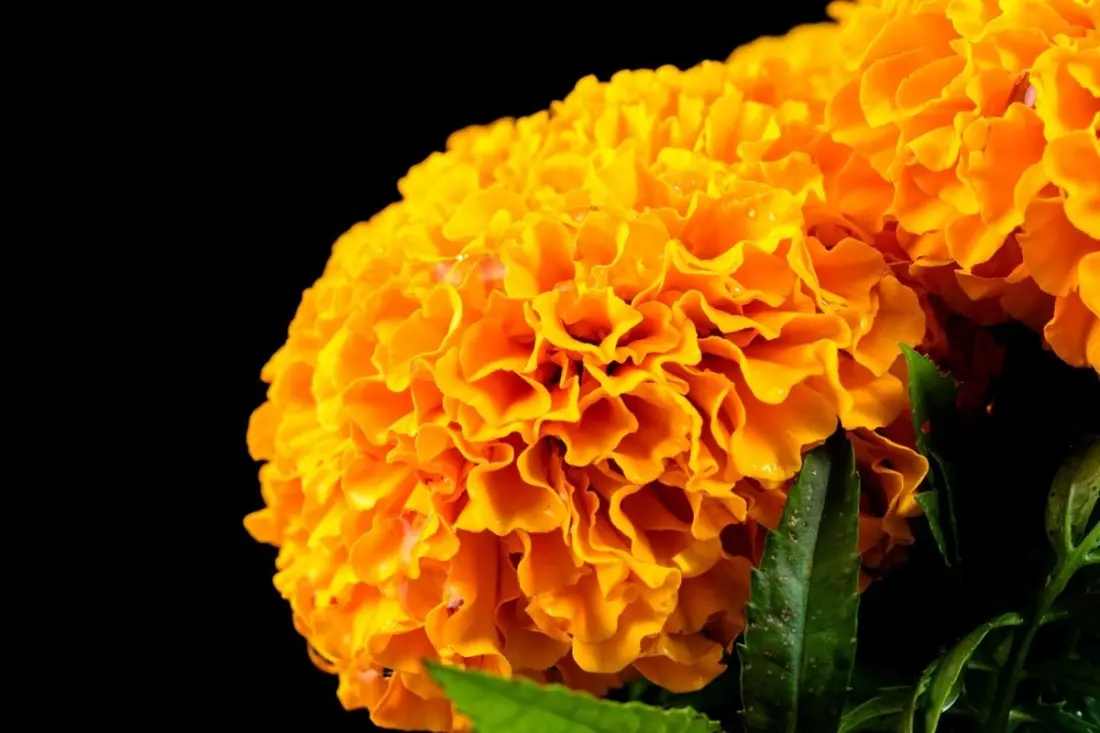
Every late October, Mexico turns orange. Markets fill with bunches of marigolds — cempaxochitl in Náhuatl, meaning "twenty flowers" — the bloom that defines Día de Muertos and earns its folk name, flor de muerto: the flower of the dead.
The flower is a native species of marigold from the Tagetes genus, sometimes called the Aztec or Mexican marigold. The annual plants can reach four feet tall, and their vivid orange-yellow petals are the colour of the season, tied to the idea of celebrating the continuity of life rather than mourning death.
Its role in the festivities is practical as much as symbolic. Mexican tradition holds that the flower's scent and colour guide the spirits of loved ones back to their altars, so no ofrenda is complete without them. Families scatter petals in a path from the street through the house and up to the altar, and vendors in markets sell loose petals by the bagful for exactly this purpose. The blooms also decorate graves, archways and crucifixes, and women wearing the elegant Catrina costume often tuck flower-heads into their hair.
You'll see the flowers everywhere from around mid-October: sold in bunches, as potted plants, as individual heads, or as loose petals. And their usefulness doesn't end at the altar. The petals are edible — good for adding colour and flavour to salads — and some keepers feed them to hens to deepen the yellow of egg yolks. Stems and flowers also feature in herbal remedies, and the petals yield a natural yellow dye and food colouring.
For travellers, this is a lovely entry point to one of Mexico's most moving festivals. If you time a trip for late October into early November, you'll walk through markets scented with marigold and watch whole towns decorate themselves for the return of the dead. Pátzcuaro in Michoacán and Oaxaca City are two of the best-known places to experience the celebrations up close, and planning ahead matters — the festival draws big crowds and accommodation books up early. Even if you miss the main dates, the flower is a fixture of Mexican markets and gardens, and a taste of it can turn up on your plate in a fresh salad.