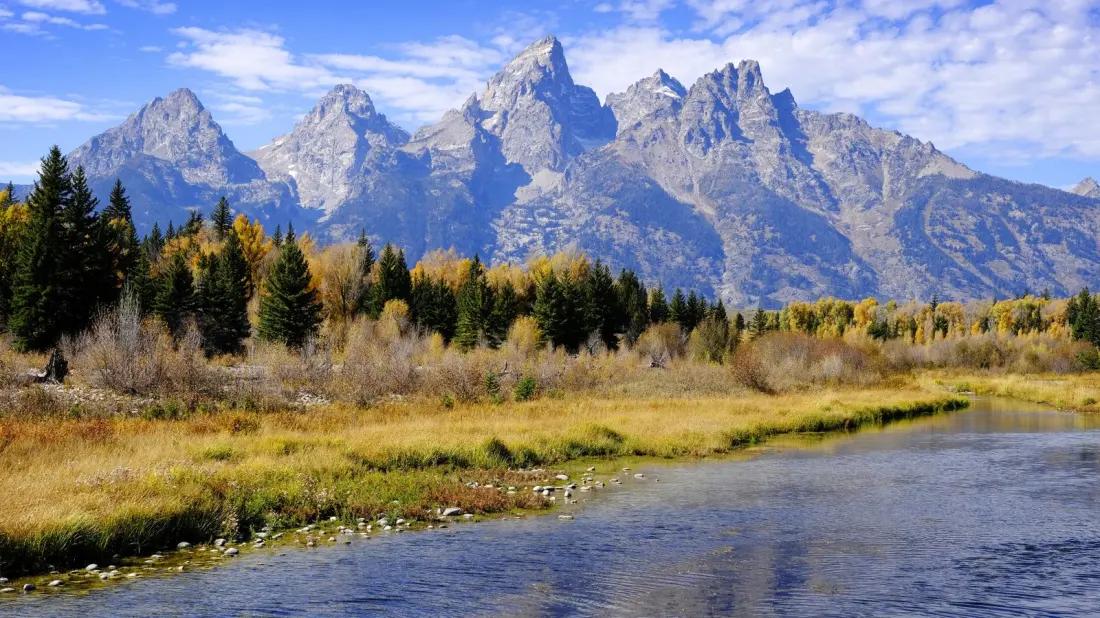
Grand Teton National Park in northwestern Wyoming draws well over three million visitors a year, and the rangers who work there have strong opinions about how to do it right. A roundup of their advice — gathered from park social channels and National Geographic interviews — covers timing, wildlife, water, and a strangely shoe-hungry fox.
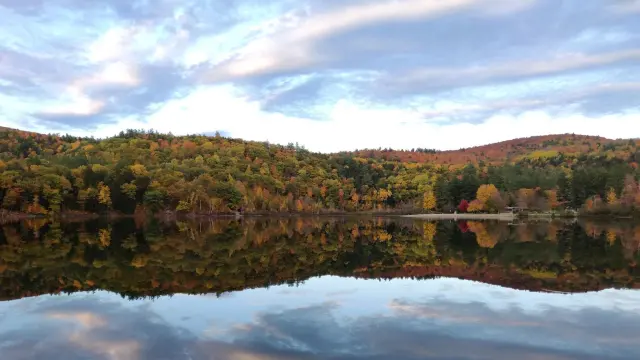
Timing comes first. Park spokesperson Jackie Skaggs counts September as her favourite month: daytime highs around 71°F, chilly but manageable nights, golden aspen colour, a dusting of snow on the peaks, and the bugling of bull elk during the fall rut. School's back in session after Labor Day, so crowds thin out, and mosquitoes and horseflies fade with the cold. Winter is a different kind of trip — snow falls from October into May, and while most facilities close, cross-country skiing and ranger-led snowshoe programs keep the park alive. Skiers base themselves in Jackson Hole, where weekly mid-winter snowfall can top 17 inches.
Rangers also urge visitors to slow down. The park covers about 310,000 acres — small next to Yellowstone's 2.2 million, but packed with lakes, scenic drives, and canyon hikes. Interpretation ranger Dennis suggests building in extra time and starting early or staying late rather than expecting to blitz the highlights in four hours. Better yet, stay overnight, ideally two. The park has eight campgrounds, including RV sites and tent cabins at Colter Bay, plus lodges like Jackson Lake Lodge and Jenny Lake Lodge. Book well ahead — sites fill fast.
For views, drive or hike up Signal Mountain. The narrow, hairpin-packed road (usually open June to October) climbs about 800 feet to two overlooks over the Teton Range and Jackson Hole, while the near-eight-mile Signal Mountain Trail from Signal Mountain Lodge suits walkers. Water lovers should head to Swim Beach at Colter Bay on Jackson Lake, the park's largest — but pack a wetsuit, since the water is snowmelt-cold. Paddlers launching from Colter Bay Marina need a permit for every vessel type, including paddleboards, and should carry a lifejacket and leave a float plan.
Wildlife etiquette matters here, too. Both grizzly and black bears live in the park, so carry bear spray on hikes, and keep your distance from elk and moose during the rut — they can ram cars. The park's quirkier rule: don't leave boots outside your tent. In summer 2025, rangers posted 'WANTED for grand theft footwear' signs after nearly 20 shoes vanished, apparently stolen by a fox. The real issue is habituation — even leaving shoes out 'for the fox' teaches wildlife that people mean opportunity, which can end in relocation or worse.
Finally, mind the altitude. Jackson Hole sits above 6,200 feet, and breathlessness hits fast if you flew in from sea level. Hydrate, rest often, eat high-energy snacks, and go easy on alcohol, which hits harder at elevation.
One last perk of staying overnight: the stars. All of Teton County is a designated International Dark Sky Place, and on clear nights the Milky Way is spectacular. Join Wyoming Stargazing's public tours, look out for summer ranger astronomy programs, or simply give your eyes 30 minutes to adjust and look up.
Whether you come for the rut in September or the powder in January, these ranger tips boil down to one theme: give Grand Teton more time than you think you need.