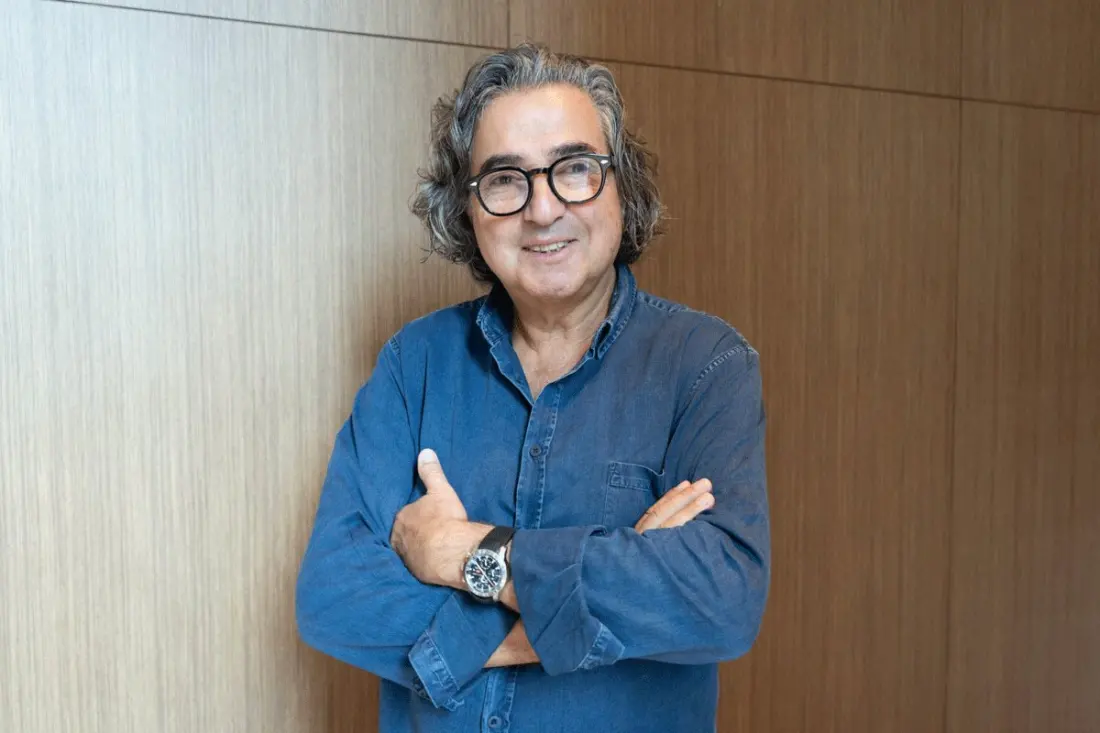
Ask Pascal Jolivet where the world's best Sauvignon Blanc comes from and he doesn't hesitate: the Loire Valley, full stop. The French winemaker, whose family has been in the trade since 1926, has spent nearly four decades proving that point from his base straddling Sancerre and Pouilly-Fumé — and his wines have been quietly building a following in Thailand for 35 years.
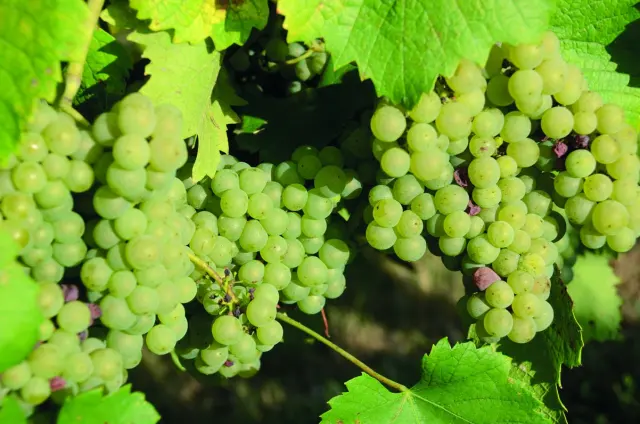
The Maison Pascal Jolivet story began in 1987, though not by design. Jolivet grew up around wine but clashed with his father so badly he studied social management instead. His father lured him back with a small nearby company to buy and develop, and the rest is Loire history. He started with no vineyards at all, sourcing grapes and making wine as naturally as possible — only buying his first vines in 1993, a six-hectare plot in Bué-en-Sancerre his father suggested he take over from a cousin.
What set him apart early was a bet on technology borrowed from Champagne: temperature-controlled stainless steel tanks, fermentation with only indigenous yeasts, minimal sulphur and no added enzymes. He's wary of the trendy "natural wine" label, preferring to describe his approach as a natural process using organic grapes — a shift the estate completed over the past two decades, and today all of its Sancerre and Pouilly-Fumé vineyards are organic.
The operation now spans 120 hectares across Sancerre and Pouilly-sur-Loire, plus 60 hectares in Touraine for the Attitude range, with a purpose-built gravity-flow cellar added in 2001. Jolivet has since bowed out of most red production, reasoning that Pinot Noir's best home is Burgundy while white is his colour. He's also rebranded his Pouilly-Fumé as "Blanc Fumé", reclaiming the appellation's original name — partly out of loyalty to the riverbank where he was born, and partly to cut through confusion with Pouilly-Fuissé from Burgundy.
His tie to Thailand runs through importer Independent Wine & Spirit, and he visits three or four times a year. What's changed, he says, is the audience: wine there was once the preserve of tourists, expats and the wealthy, but casual drinkers are now driving the market.
For travellers, this is a nudge to put the Loire's wine country on the map. Sancerre and Pouilly-Fumé sit on opposite banks of the Loire about two hours south of Paris, and their crisp, flinty whites are best tasted where they're grown. Jolivet himself hints at what's next: a tiny new wine — just 1,500 to 2,000 bottles from grapes planted in 2015 and aged 18 months — launching in 2027, with Thailand possibly getting a pour. Meanwhile he's eyeing Assyrtiko in Greece as a possible side project, which tells you plenty about how a winemaker this restless thinks about terroir.