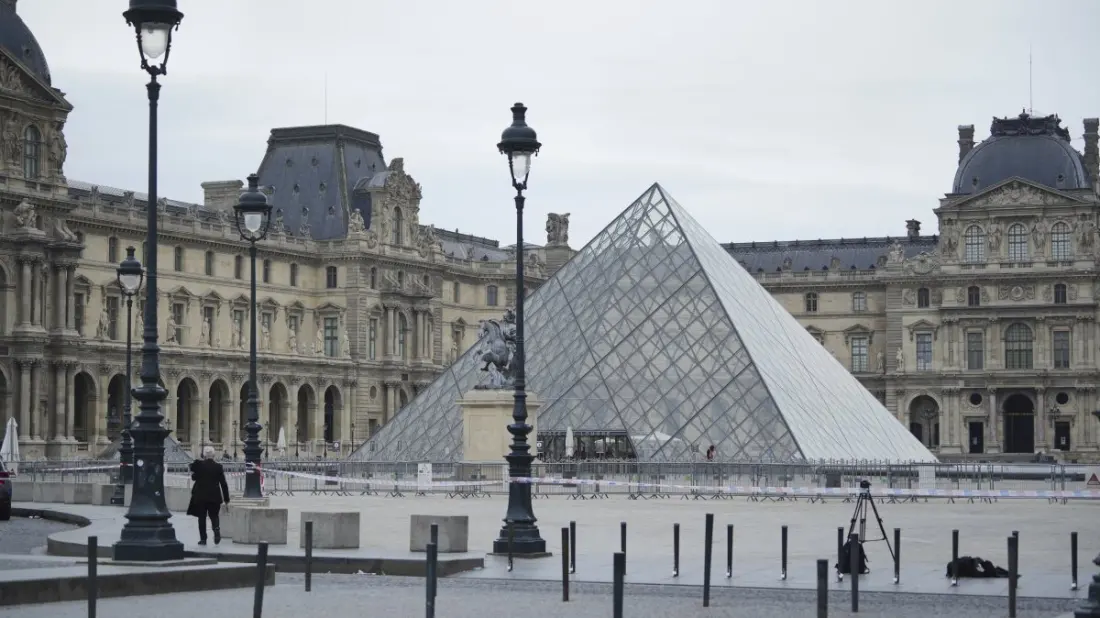
The world's most-visited museum has a stark warning attached to it. Louvre director Christophe Leribault told Le Figaro that unless French lawmakers back a sweeping transformation of the ageing Paris landmark, the museum could eventually have to shut its doors to the public altogether. "That would be a disaster," he said, pointing to old plumbing, poorly insulated galleries and public spaces far too small for the roughly 9 million people who visited last year.
The timing is awkward. France has cycled through minority governments that struggle to pass budgets, and Prime Minister Sebastien Lecornu is under pressure to cut spending. Leribault says the Louvre would tap private funding, but a large public injection will need approving after next year's national election. President Emmanuel Macron has already championed a 600-million-euro plan that includes a new entrance — though trade unions have criticised both Macron and Leribault's predecessor Laurence des Cars for prioritising architectural ambition over simpler fixes that would improve the day-to-day visitor experience.
Security is the other urgent thread. Leribault took over in February, months after a brazen heist in which thieves stole crown jewels valued at around $100 million. Ahead of the crime's one-year anniversary, he said an 83-million-euro (about $92.5 million) security master plan is "moving forward at full speed": a new head of security role, a long-overdue upgrade of a camera network found to rely on outdated equipment with major blind spots, and better surveillance of the perimeter and entry points.
His argument, essentially, is that you can't patch this piece by piece. Securing the museum properly means working on the historic building and its infrastructure, and "everything is interconnected." A surface-level fix, he insists, doesn't exist.
For anyone planning a Paris trip, the practical takeaway is that a visit in the next couple of years may coincide with renovation works, possible crowd-management changes and eventually a new entrance. None of that dims the draw of the Mona Lisa or the Venus de Milo, but booking timed-entry tickets well ahead and visiting at quieter hours matters even more while the overhaul debate plays out. It's also worth watching how the funding fight lands — the Louvre's future opening hours, layout and even capacity limits could depend on it.