
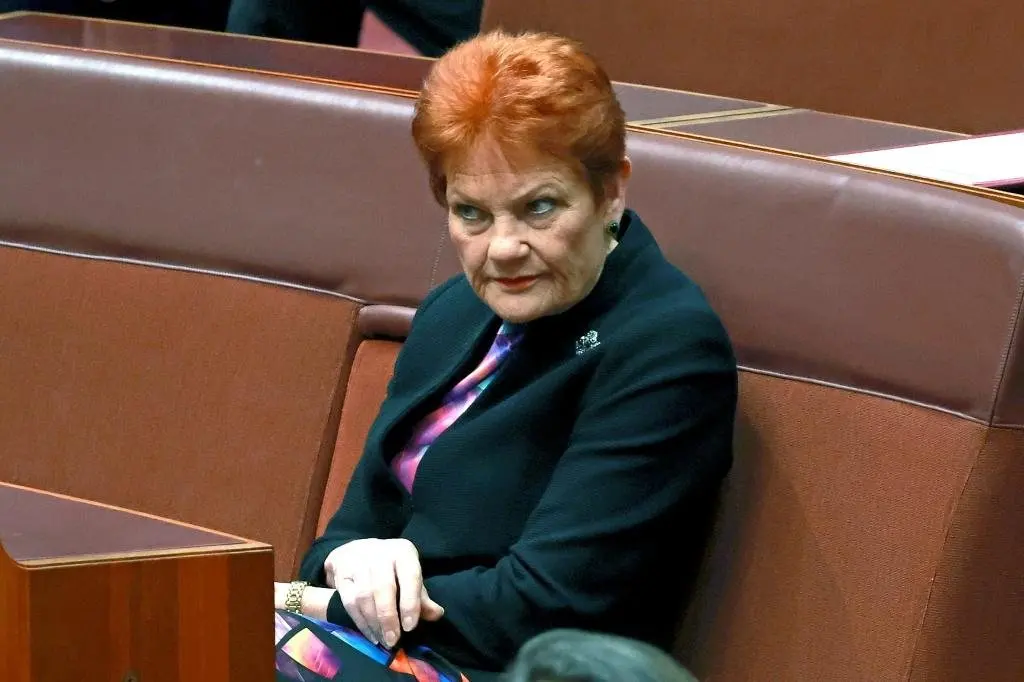
Australian senator Pauline Hanson is at the centre of a fresh storm after calling Indigenous Australians "the most primitive race on Earth" in comments that resurfaced this week and prompted condemnation from across the political spectrum.
The remark came from a podcast interview recorded last year, in which the One Nation leader and Queensland senator was asked about teaching Indigenous history in schools. She dismissed the tens of thousands of years of Aboriginal presence on the continent, saying its people "never invented the wheel" and had achieved nothing beyond "a few rock paintings". Indigenous leaders hit back fast. Malarndirri McCarthy, the federal Indigenous affairs minister, labelled the comments "completely racist", while Senator Jacinta Nampijinpa Price, herself of Indigenous heritage, said Hanson had dragged a legitimate debate into "appalling territory".
The controversy lands at a telling moment. One Nation has climbed to become one of Australia's most popular parties, and a Resolve Strategic poll published Sunday in the Sydney Morning Herald and The Age put support at 27 percent — a single point behind the governing Labor Party. Hanson's long record of inflammatory statements has clearly not cost her votes.
For travellers, the story is a window into a conversation happening across Australia right now. Aboriginal and Torres Strait Islander peoples have lived on the continent for more than 60,000 years, making their culture among the oldest continuous on the planet — and the disparities they face are stark. Average life expectancy runs roughly eight years below that of other Australians, driven by chronic illness, poverty and patchy healthcare access, and Indigenous people are markedly more likely to be incarcerated or die in custody.
Why does this matter if you're planning a trip? Australia's Indigenous heritage is one of its great travel draws, from rock art in Kakadu and the Quinkan galleries of Cape York to guided experiences in Uluru-Kata Tjuta National Park and urban cultural centres in Sydney, Melbourne and Brisbane. Understanding the politics — and the respect Aboriginal Australians command and too rarely receive — helps you engage with those experiences thoughtfully. Many tours are Indigenous-owned, and choosing them puts money directly into communities dealing with the inequities behind this news cycle. A country where a major party polls near government while its leader voices views like these is one still very much working out how it values its first people. Visiting with that context makes the rock paintings and Dreaming stories far more than photo stops.