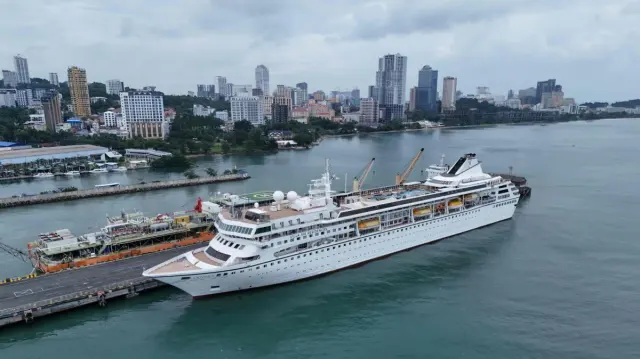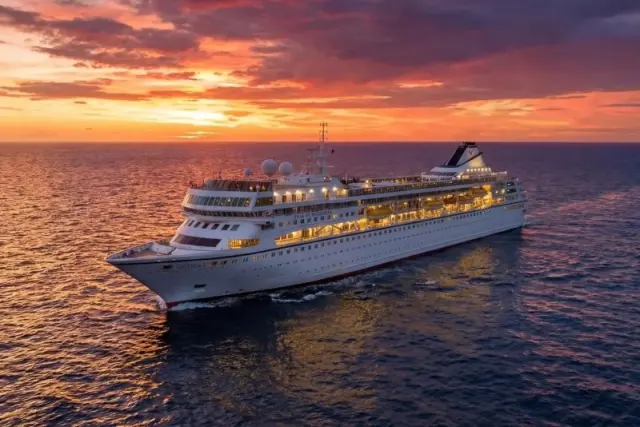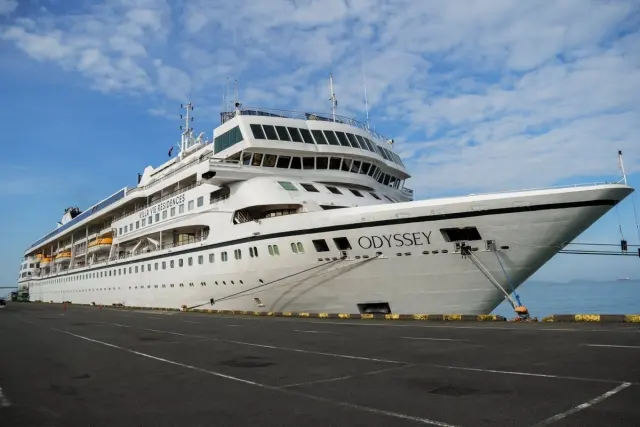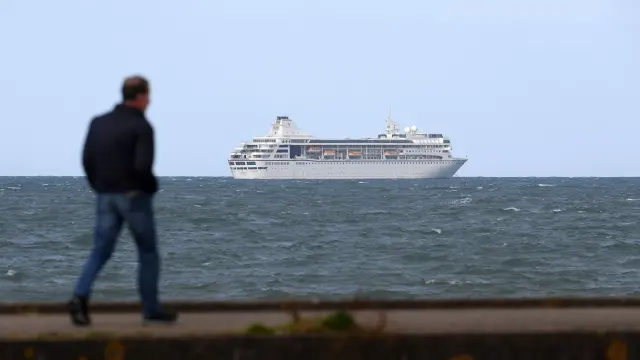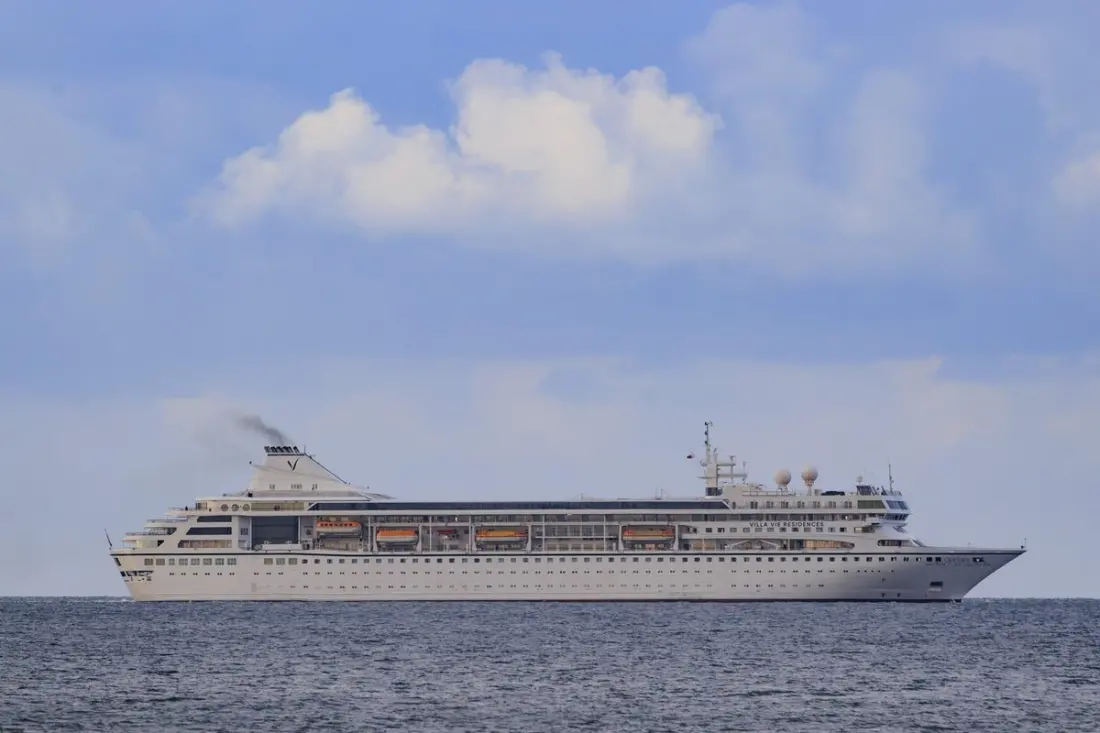
The idea sounded like the ultimate lifestyle experiment: buy a cabin on a ship and travel the world indefinitely. Now the dream has stalled, quite literally, at the dock. Villa Vie Residences has suspended operations of its residential cruise ship, the Villa Vie Odyssey, citing fuel costs it can no longer absorb, and roughly 200 residents have been ordered ashore in Cambodia.
Residents received short notice. A memo shared by passenger Randy Cassingham on his Residential Cruising blog told them the ship could not secure the fuel needed to continue and would enter a temporary layup, with crew staying aboard to maintain essential systems. Everyone had to disembark by 2pm that day, with shuttle access for belongings until the following evening. What happens next is unclear: no confirmed details on accommodation support, refunds, or whether the voyage will resume at all.
The company's explanation comes down to arithmetic. Fuel expenses, which averaged about $1,800 per cabin per month historically, have reportedly spiked to an estimated $6,000 to $8,000 in parts of Asia. Executive chairman Mikael Petterson linked the surge to the Iran conflict, which began in late February, and said the ship had already slowed its itinerary and spent more time in port to cut consumption. Passing the increase to residents, he argued, was not realistic, leaving the operating model "under unsustainable financial pressure". The company says it is pursuing restructuring and recapitalisation over the next 60 days, though no financing is finalised and, in its own words, no outcome is assured.
For the people affected, this is not a cancelled holiday — it is a disrupted life. Many sold their homes to buy into the perpetual voyage, which launched in 2024 with cabins priced from $119,999 upfront plus up to $5,000 monthly. The venture has been rocky from the start: its departure was delayed four months by last-minute repairs in October 2024.
Why should ordinary travellers care? Beyond the human drama, the episode is a cautionary tale about long-term "residence at sea" schemes. When you pay upfront for years of travel aboard a single operator's vessel, your money and your accommodation rest entirely on that company's finances. Fuel shocks, geopolitical conflict and repair delays can all land on you. Anyone considering a similar purchase should scrutinise refund protections, contingency plans and what happens if operations suspend mid-voyage — questions this situation makes painfully concrete.
For now, the Odyssey sits in layup in Cambodia while its owners search for a financial rescue, and its residents — many now effectively homeless — wait to learn whether their floating home ever sails again.