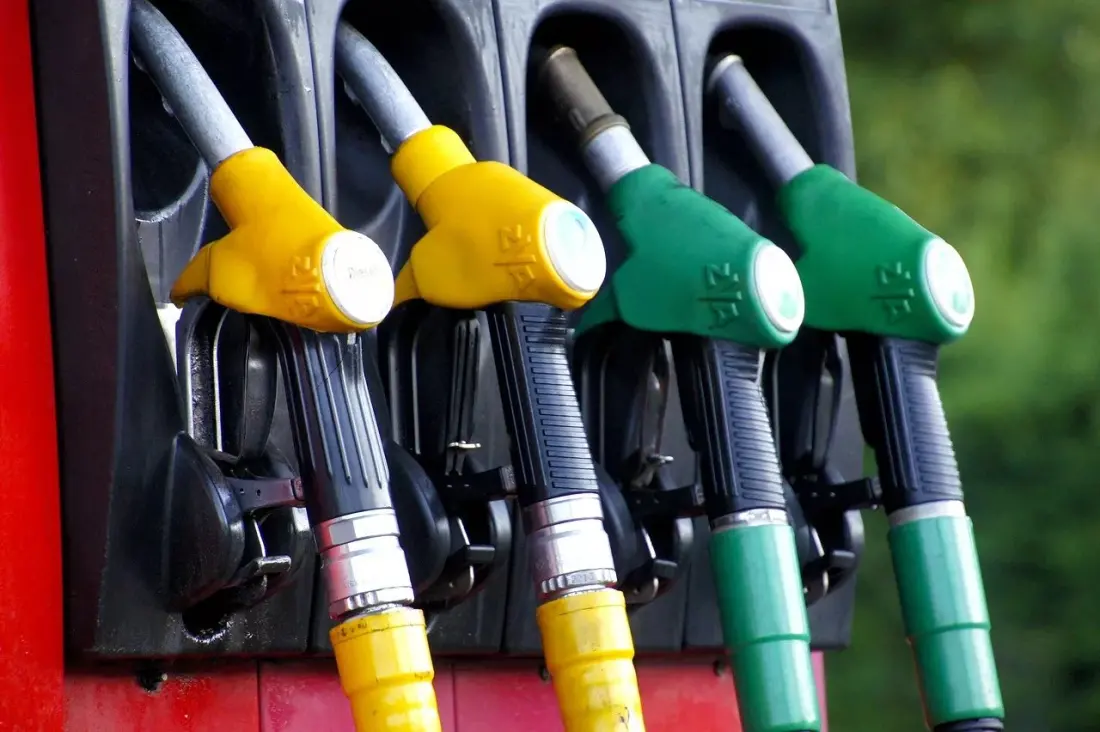
South African drivers barely had time to absorb October's fuel hike before warnings emerged of another big jump coming in November. Petrol and diesel rose by more than R3 per litre in early October, meaning motorists are now paying roughly R9 more per litre than at the start of 2026 — and the early signs point to more of the same.
Preliminary figures from the Central Energy Fund, reported in early October, suggested petrol could rise by anywhere from about R3.17 per litre (93-octane) to R4.60, with diesel up around R2.60. These are early projections, not confirmed numbers, and the final adjustment depends on how international oil prices and the rand-dollar exchange rate move before month-end. Investec chief economist Annabel Bishop has cautioned that further increases are likely.
The culprit is the global oil market. Brent crude climbed from $87.89 to $101 per barrel during the October review period, driven by US–Iran tensions, uncertainty over shipping through the Strait of Hormuz, higher freight costs and falling inventories. Because South Africa imports most of its crude and refined fuel, domestic pump prices are exposed to every twitch in international markets — and to weakness in the rand.
The knock-on effects go well beyond the pump. Bishop expects inflation to push towards 5%, well above the Reserve Bank's 3% target, which could prompt further interest rate hikes. Higher transport costs feed into food and general prices, squeezing household budgets and business expenses alike, ahead of National Treasury's Medium-Term Budget Policy Statement on October 21.
For travellers, this matters if you're planning a South African road trip in the coming months — which, given the country's vast distances and famously scenic self-drive routes like the Garden Route and the Panorama Route, is a popular way to see the country. Fuel is a significant line item on any South African driving itinerary, and a litre price edging up another R3 or more adds up quickly over a 1,500km route. Budget for the higher rates when costing out a trip, keep an eye on the November adjustment announcements, and factor in possible increases on car rental surcharges and intercity transport, since operators pass on fuel costs. Public transport and airline fares can also feel the pressure if inflation and rates keep climbing. The bottom line: a self-drive holiday in South Africa remains brilliant value by international standards, but it's worth padding your fuel budget rather than treating current pump prices as fixed.