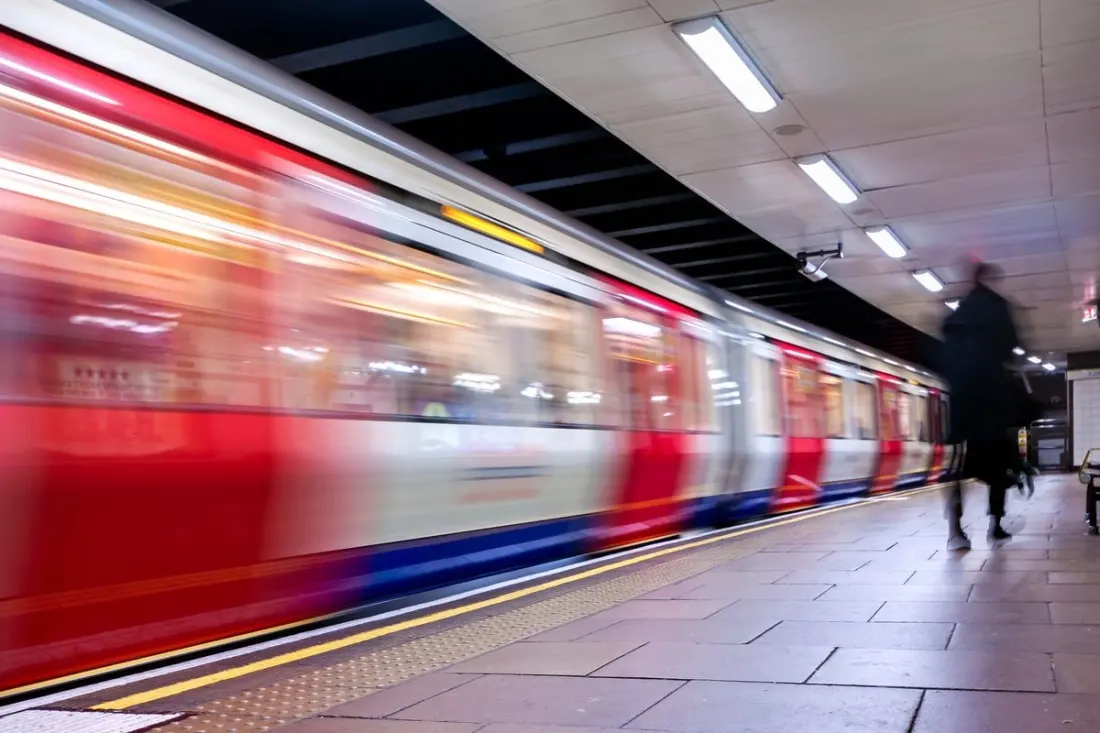
Heathrow-bound travellers were caught out by a 24-hour strike that halted the entire Piccadilly line, one of London's busiest Underground routes and the cheapest Tube link to the airport.
Transport for London (TfL) warned of no Piccadilly services from 11.59am on Friday, 20 November until 11.59am the following day, with trains expected to stay sparse into Saturday evening. The disruption began earlier still, with a reduced service from 10.30am on the Friday. The Saturday Night Tube was the one bright spot, running as normal.
The strike was called by the TSSA union, whose two dozen service control members voted unanimously (on an 83 per cent turnout) to walk out in support of a colleague they say was unfairly dismissed. The union also accused TfL's investigation team of improperly sharing members' private information. TfL countered that the employee had been sacked after a fair process for working a second job while claiming full company sick pay, and urged TSSA to call the action off.
The knock-on effects stretched beyond one line. Because of shared infrastructure at the Ealing Common depot, there were no trains between Earl's Court and either Richmond or Ealing Broadway from midday Friday to Saturday evening, with reduced service elsewhere. Other tube lines, the Elizabeth line, DLR, London Overground, buses and trams ran normally — but crowded up fast as Piccadilly passengers migrated. TfL laid on rail replacement buses on Friday night and Saturday.
For anyone flying in or out of Heathrow on strike days, the Piccadilly line is usually the budget option from central London, so the obvious workarounds were the Elizabeth line through central London or the pricier Heathrow Express to Paddington. Neither was affected, though both were busier than usual.
This action is separate from a bigger wave of driver-led strikes affecting the whole Underground network in the run-up to Christmas and into 2027. If your London trip falls in that window, checking before you travel has gone from sensible habit to essential step.