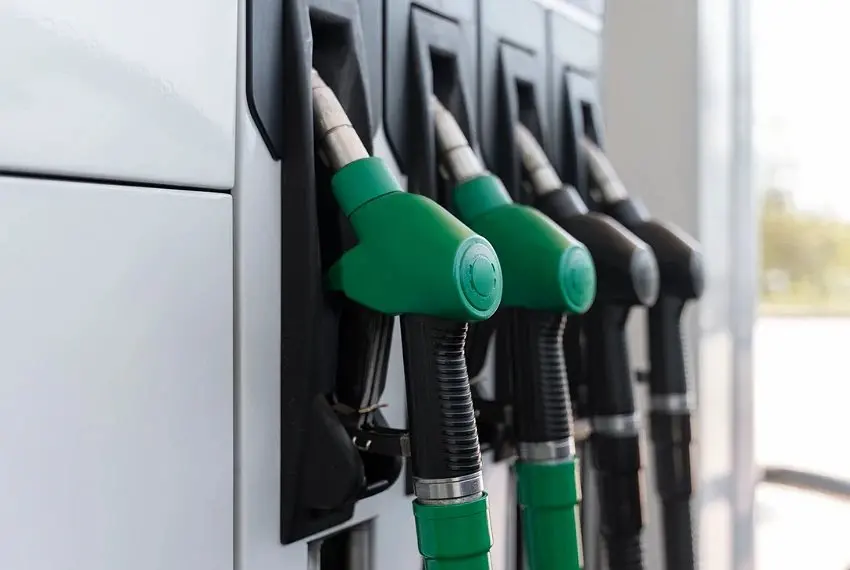
Kyrgyzstan's Cabinet of Ministers has tweaked its fuel subsidy system so that state support now applies to ECO-93 gasoline as well as the AI-92 grade that was already covered. The change amends the mechanism governing how fuel imports and sales are subsidised, widening the safety net that keeps pump prices down in a country where most petrol is imported.
The same cabinet resolution also fixed a dedicated diesel price for Kyrgyzkomur OJSC, the state-owned coal company. Whichever supplier the government designates to serve state and municipal enterprises — and any organisation where the state holds at least half the shares — must sell diesel to Kyrgyzkomur at 92.85 soms per litre, taxes and mandatory payments included.
There's a new layer of oversight too. The Antimonopoly Regulation Service can now run extra checks on the calculations and paperwork filed by companies claiming subsidies, and if its review suggests the payout amounts are off, it can take a proposed adjustment to the interagency working group that oversees the scheme.
Some context on how the subsidies got here: the cabinet first introduced state subsidies on fuel imports in May, initially for four months, then extended the measure through to the end of 2026. Over the summer, the Antimonopoly Regulation Service put hard numbers on the gap between what fuel costs to bring in and what drivers pay at the pump. A litre of AI-92 actually costs 111 to 118 soms to supply, yet filling stations sell it at 87.9 soms — meaning the state tops up suppliers by somewhere between 23.1 and 30.1 soms per litre. Looking ahead, the government intends to put 5 billion soms into supporting the fuel and lubricants market in 2027.
Why does any of this matter beyond the trade press? Because Kyrgyzstan is one of Central Asia's top road-trip destinations — think the looping drive around Song-Kul, the Torugart and Irkeshtam passes, and campervan routes along the south shore of Issyk-Kul — and nearly all of that depends on affordable, predictable fuel. A subsidy scheme that stabilises petrol prices, and now explicitly covers a second common grade, is good news for anyone renting a 4x4 in Bishkek or driving their own vehicle over mountain passes where the next petrol station can be hours away. It also hints at where prices are headed: with the state committing billions of soms to the fuel market through 2027, travellers are unlikely to see sharp pump-price swings in the near term. The figures here are largely domestic economics rather than tourist news, but if your Kyrgyzstan itinerary involves wheels, they're worth knowing.