Something striking is happening on the streets of Auckland right now: Pacific flags are flying from cars, houses, fire trucks and even trees. The Rugby League World Cup has turned parts of New Zealand into a rolling festival of Samoan, Tongan, Fijian and Cook Islands pride — and for travellers on the ground, it's one of the most joyful atmospheres in world sport this year.
Dr Caleb Panapa Marsters, a Pacific Studies lecturer at the University of Auckland, says the flag-waving goes well beyond the four Pacific teams in the tournament. Niue, Tokelau and Tino Rangatiratanga flags have appeared at parades too. What makes it fascinating is that most players representing Sāmoa, Tonga, Fiji and the Cook Islands were actually born in New Zealand or Australia, yet their ties to their family homelands remain fierce. He points to the Cook Islands concept of akapapa'anga — ancestry — as a lens: when these players take the field, they carry generations with them. Fans in the stands are celebrating the same connection, often led by the youngest and loudest supporters.
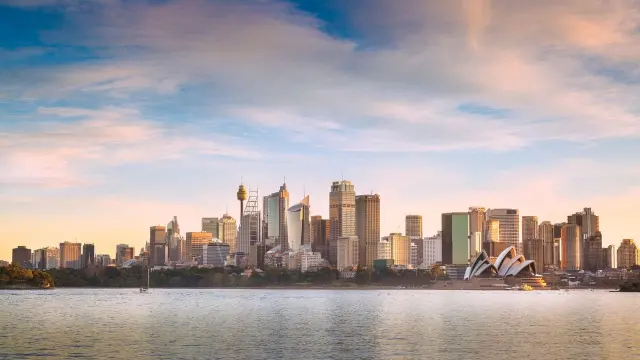
For visitors, the practical takeaway is that a World Cup match in Auckland, Sydney or Brisbane right now doubles as a cultural event. Expect colour, drums, singing and neighbourhood festivities around the fixtures — and note that even the New Zealand and Australian squads are packed with players of Pacific heritage, so the celebration cuts across every game.
The tournament lands at a busy moment for Pacific sport more broadly. In Sydney, World Rugby and Oceania Rugby just wrapped the Impact Beyond Pasifika Women & Girls' Rugby Summit at NSW Rugby Union — 33 delegates from 15 member unions, backed by Australia's PacificAus Sports programme — with sessions on player pathways, media visibility and leadership, capped by a keynote from former Black Ferns captain Dame Farah Palmer and a WXV fixture between the Wallaroos and Scotland at Accor Stadium. With Australia hosting the Men's Rugby World Cup in 2027 and the Women's in 2029, expect Pacific rugby culture to be front and centre of the fan experience for years.
Elsewhere in the bulletin: unbeaten Australian cruiserweight Jai Opetaia (31-0) has entered fight camp on the Gold Coast for a possible bout with Deontay Wilder on December's Fury–Joshua card at Cardiff's Principality Stadium — not yet signed, but a potential blockbuster forecast at over US$50 million in gate receipts. Fiji Bati coach Kim Potter says his side is ready to test the top teams at the World Cup, with four debutants named for Australia's Kangaroos. Papua New Guinea's Kumuls are chasing a deep run led by their captain, described as the 'toughest man alive'. And on the football side, Samoa returned to the FIFA U-17 Women's World Cup with a tough opener, while the Cook Islands head to the inaugural FIFA U15 World Cup & Festival.
If you're travelling to Australia or New Zealand over the coming weeks, time a trip around a Pacific nations fixture — it's sport as a street party.