A 17th-century romance between a Vietnamese princess and a Japanese merchant has become one of the more interesting cross-cultural projects in Asian performing arts — and it now exists in two very different stage versions.
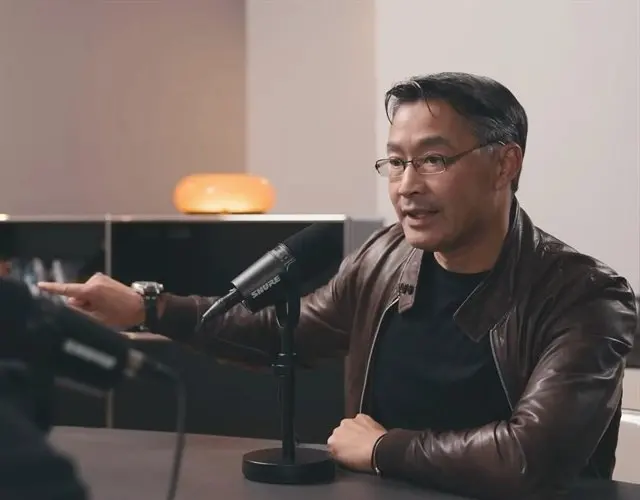
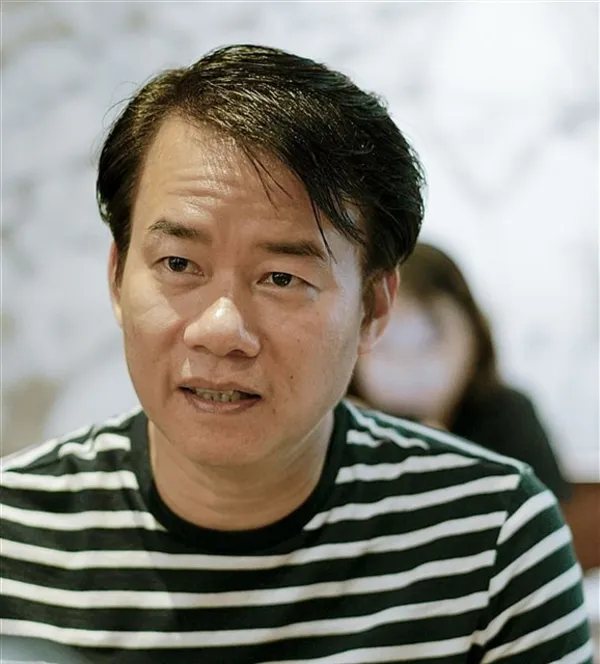
Composer Trần Mạnh Hùng wrote the score for Princess Anio, an opera staged in both Vietnam and Japan in 2023 to mark 50 years of diplomatic relations between the two countries. Its success led to a second commission: a musical adaptation of the same story, which premiered at the KAAT Kanagawa Theatre in Yokohama in September. The two aren't interchangeable — the opera is written for classically trained voices, while the musical uses contemporary singing styles — but Hùng tucked musical motifs from the opera into the final scenes of the musical, a nod for anyone who has seen both.
The story itself has legs in Japan beyond the stage: the romance between Princess Anio (Ngọc Hắn in Vietnamese tradition) and merchant Sotaro Araki has also been turned into manga there. Hùng came away from the Japanese productions impressed by how thoroughly the team mined every opportunity the material offered.
For travellers, the interview is a useful window on Vietnam's classical music scene, which is growing fast but leaning heavily on imports. Hùng notes that foreign orchestras and artists now perform in Vietnam at an unusually rapid clip, and that theatres increasingly fill their programmes — and sell tickets — with overseas productions. He argues that without serious investment in Vietnamese composers, performers and productions, the country risks weakening its own cultural output, and he'd like to see support for domestic work rise from a token share to roughly half of the resources and attention.
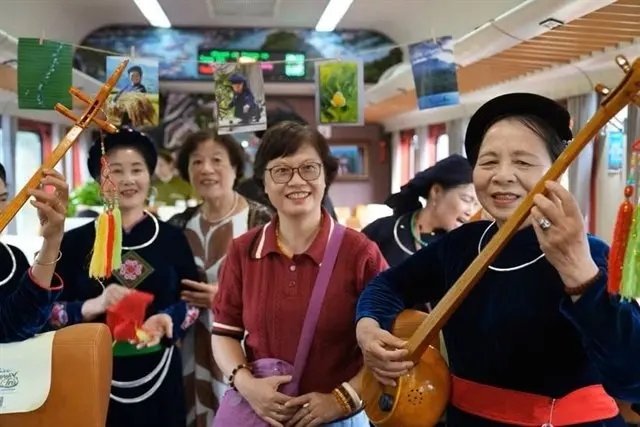
His own solution is artistic as well as advocacy. He's pushing for new symphonic work built on Vietnamese traditional instruments, pointing out that earlier generations already proved the concept: guitar, violin and organ were all successfully absorbed into đờn ca tài tử and cải lương, the southern Vietnamese folk and reformed theatre traditions. He's also midway through an unfinished opera on the legend of Mỵ Châu and Trọng Thủy, begun in 2012 shortly after he moved to Ho Chi Minh City.
Why should a visitor care? Because catching a performance is one of the better ways into a country's culture, and Vietnam's opera houses and concert halls are at a genuinely interesting moment — you can see world-class touring orchestras in Hanoi and HCM City, but homegrown symphonic and traditional-instrument work is where the local character lives. If Princess Anio tours again, seeing a Vietnamese-Japanese story told through a Vietnamese composer's score beats any generic concert-night filler.