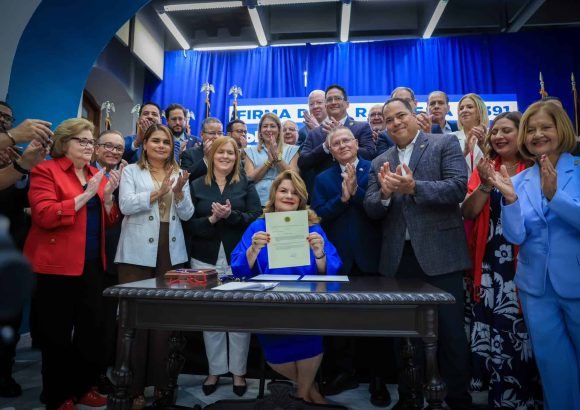
Puerto Rico has taken its most formal step yet towards US statehood. Governor Jenniffer González signed a resolution officially requesting that President Donald Trump and Congress admit the island to the Union on equal terms with the existing states, timed to the run-up to the 250th anniversary of US independence.
What makes this attempt different is the mechanism. Previous pushes relied on non-binding plebiscites whose results were simply reported to Washington — and there have been several of those votes over the decades. This time, via House Joint Resolution 391, the island's government has sent actual legislation formally applying for admission, the same route historically used by states joining the Union. González, of the pro-statehood New Progressive Party, framed it as fulfilling the ballot box: "The time for decolonization has arrived."
Not everyone agrees, of course. Puerto Rico's political scene is split three ways: the statehood camp now in power, the Popular Democratic Party favouring the current Commonwealth arrangement, and the Puerto Rican Independence Party pushing for full independence. Critics note the statehood side has won past referendums on tainted ballots or low turnout, and that a chunk of the population wants no part of this. The petition also asks Congress only for statehood — earlier failed bills in Washington offered voters a menu including free association and independence.
The big caveat: Congress holds all the cards. Admission requires federal legislation, and there's currently no sign of momentum on Capitol Hill. The White House has said nothing about Puerto Rico, even as Trump muses publicly about absorbing Canada, Greenland or Venezuela. So don't expect a 51st star any time soon — this is the opening move of a long process.
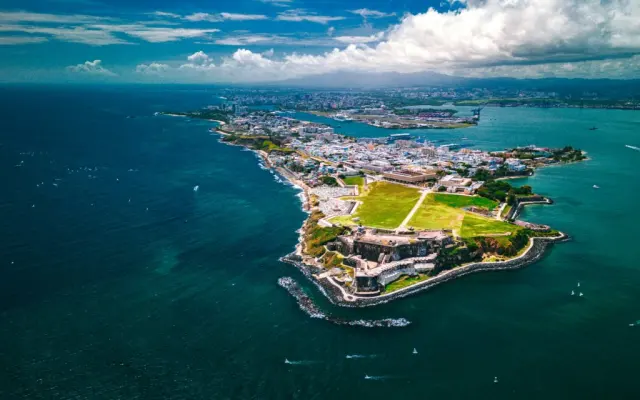
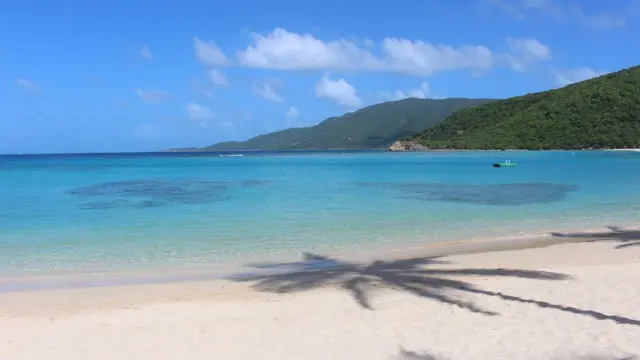
For travellers, the practical picture is unchanged for now. Puerto Rico remains a US territory: Americans travel there without a passport, use the dollar, and are covered by US customs rules, while visitors from elsewhere face the same entry requirements as the US mainland. A status change, if it ever happened, would mainly affect the island's politics and economy — potentially reshaping everything from shipping rules to taxes — rather than the visitor experience of Old San Juan's forts, El Yunque rainforest or the bioluminescent bays.
Still, the story matters to anyone who loves the Caribbean. Puerto Ricans themselves are split on the future, and the debate shapes local elections, protests and public life in ways visitors will notice in conversations and street art. Following the outcome — Congress is now the audience for the island's request — is worth doing if Puerto Rico is on your list, because the answer will define the place for the next generation.