A quiet province in central Vietnam is about to give its history a digital upgrade. Quảng Trị is drawing up official criteria and standards for encoding cultural heritage, the backbone of a provincial digital transformation project for culture, sports and tourism running from 2026 to 2035, with a roadmap stretching to 2045.
The plan took shape at a recent workshop called 'Heritage Science – Cultural DNA Criteria and Heritage Encoding Standards', where experts worked through the practical details of turning physical heritage into structured data. The framework under discussion is ambitious: a 35-cell classification matrix for sorting heritage, standards for mapping data to the international CIDOC Conceptual Reference Model used by museums worldwide, scientific methods for reconstructing historical spaces and events, and transcription standards for ethnic minority languages. It also flags a skills gap — the province needs trained specialists to carry this out.
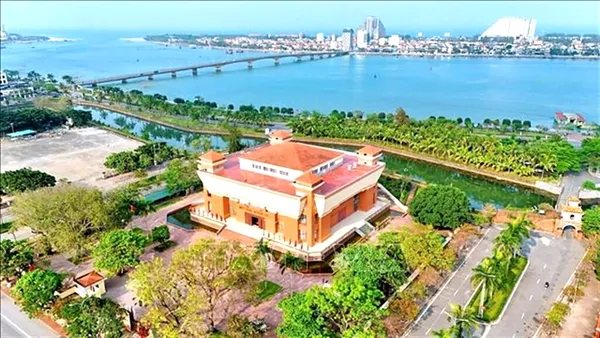
Quảng Trị has plenty to work with. The area was a decisive battleground during the Vietnam War, and the Quảng Trị Provincial Museum holds artefacts and documents of real historical weight that are already being digitised. There is also older heritage in the mix, from ancient Champa-era relics to traditions of local ethnic communities.
Provincial vice chairman Hoàng Xuân Tân made the point that this is not just about scanning old documents. The aim, he said, is to safeguard cultural and historical values, open them up to wider public access and generate lasting benefits for local communities. In practice, that means building an integrated digital platform to manage heritage more effectively, promote Quảng Trị's cultural assets and support sustainable tourism growth.
Why should travellers care? Because this is how the next wave of Vietnamese destinations will open up. Once heritage is encoded and mapped to shared international standards, expect richer museum experiences, virtual reconstructions of sites you can preview before visiting, better archives for history-focused travellers, and improved documentation of ethnic minority culture that rarely makes it into guidebooks. Quảng Trị sits on the main coastal corridor between Huế and Đồng Hới, close to the Vinh Móc tunnels and the former Demilitarized Zone — sites that draw visitors interested in Vietnam's wartime history. Better digital access could put the province on itineraries that currently skip it.
It is also part of a national push. The project falls under Politburo Resolution No. 57-NQ/TW, issued in December 2024, which directs faster development of science, technology and national digital transformation. Vietnam's smaller provinces are increasingly using these programmes to compete with better-known spots like Hội An and Huế, and Quảng Trị is positioning itself as a case study in how heritage and technology can work together.
The timeline matters too: with the project running to 2035 and beyond, the province is playing a long game. If you like the idea of visiting a place before it gets polished and packaged, central Vietnam's war-history heartland is worth a look now — and the digitised version will only add depth later.
Original report: Vietnam News Life