Alfonso Cuarón's Oscar-winning film Roma put this Mexico City barrio on screens worldwide, but locals will tell you the neighbourhood was always the real star. There's even a plaque on a carport reading "Aquí se filmó Roma," marking the street where the director shot his autobiographical masterpiece across from his childhood home in Roma Sur.
Roma's story explains its character today. When a devastating earthquake hit in 1985 — killing more than 10,000 people across the city — many of the well-off families who lived in the area's European-style mansions left, and the neighbourhood slid into decades of decline. A second quake in 2017, which hit Roma hard, could have finished it off. Instead, La Roma has pulled a Williamsburg-style revival, blending early-1900s grandeur with some of the best food and drink in a metropolis of 21 million.
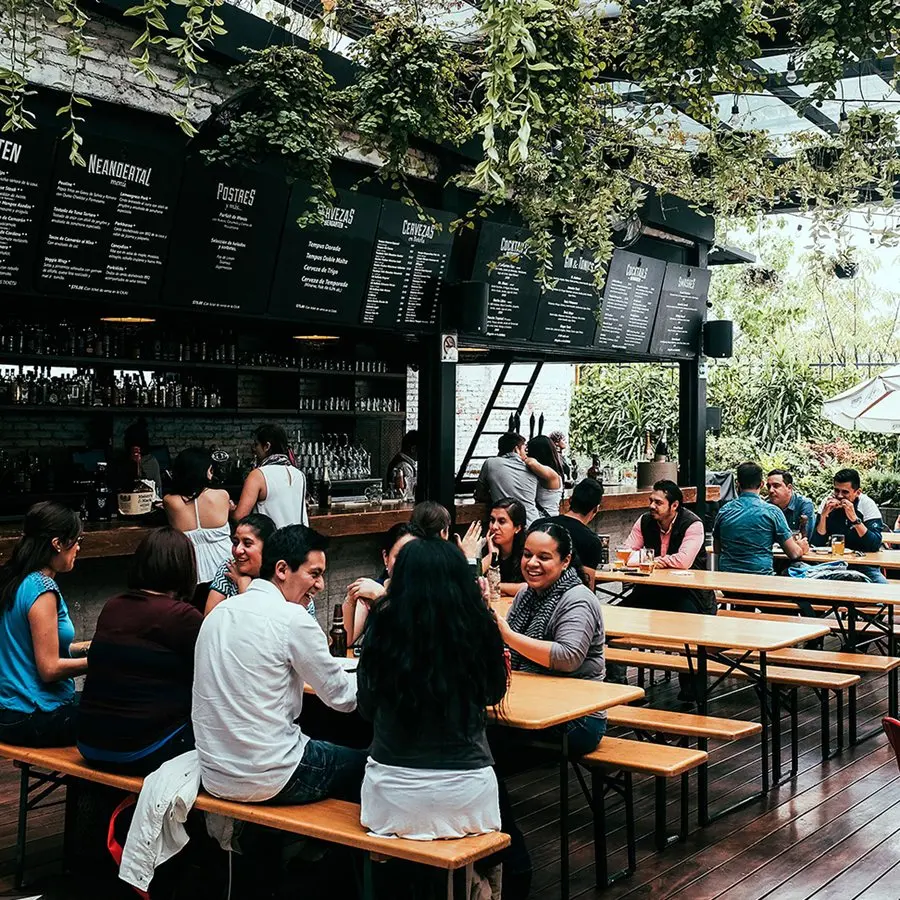
The eating is reason enough to come. Chef Eduardo García runs Lalo!, a brunch spot where French toast and huitlacoche-laced eggs land on a long communal table, plus the reservation-only French-Mexican Máximo Bistrot. Elena Reygadas splits her empire between Rosetta, her acclaimed Italian-inspired restaurant, and Panadería Rosetta across the street — grab guava-filled rolls and take them to nearby Plaza Río de Janeiro. For tacos, Orinoco is an institution: al pastor carved off the spit, a tray of salsas, and cold agua de jamaica in a metal cup. Churrería El Moro has been frying churros since 1935.
Sleep options are small and characterful, so plan ahead — three to six months is the recommended booking window. Ignacia Guest House is a five-room 1913 mansion named for the housekeeper who tended it for 70 years; her family still serves her breakfast recipes in a garden of orange trees she planted. Nima Local House and La Valise offer four-room and three-room luxury in restored 1920s mansions in Roma Norte, the livelier half, while Roma Sur — where Cuarón grew up — stays more residential and, in his words, edgier.
Nights run from old-money glamour at Casa Franca, with live music Tuesday through Saturday, to mezcal tasting at El Palenquito and sister bar La Clandestina, to dancing cumbia until late at Mama Rumba. Daytime pleasures are simpler: the historic La Romita plaza, murals on nearly every block, free contemporary art at Galería OMR, and screenings at Cine Tonalá, which sold out showings of Roma for two months straight after the Oscars.
What makes Roma rewarding for travellers is the layering. Volkswagen Beetles still park outside ivy-covered mansions, quesadilla carts still work the corners, and the whole area sits minutes from downtown yet feels oddly hushed. You get big-city dining and design without the big-city roar — plus the rare chance to walk through a film set that happens to be real life for the people who never left.