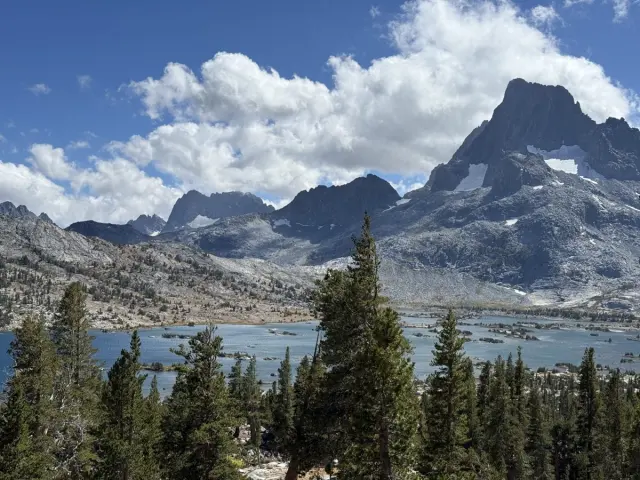
The most expensive domestic flights in the US right now aren't coast-to-coast hauls — they're short hops into ski country. In the first quarter of 2026, the priciest city pair in federal fare data was Eagle County Regional Airport (EGE) in Colorado, gateway to Vail, to Miami, averaging $576 one way. Close behind: Aspen-Pitkin County (ASE) to New York JFK at $570, and Jackson Hole (JAC) in Wyoming to New York at $565.
What's striking is that these routes outrank the classic premium corridor between New York and San Francisco, which averaged $518 in the same quarter but carried far more passengers. The difference is supply and demand. Mountain airports can't handle big volumes, and demand surges sharply during winter holidays and powder weekends. Travellers flying into Aspen or Jackson Hole are often willing to pay extra to skip a multi-hour drive from Denver or Salt Lake City, so airlines have little pressure to discount.
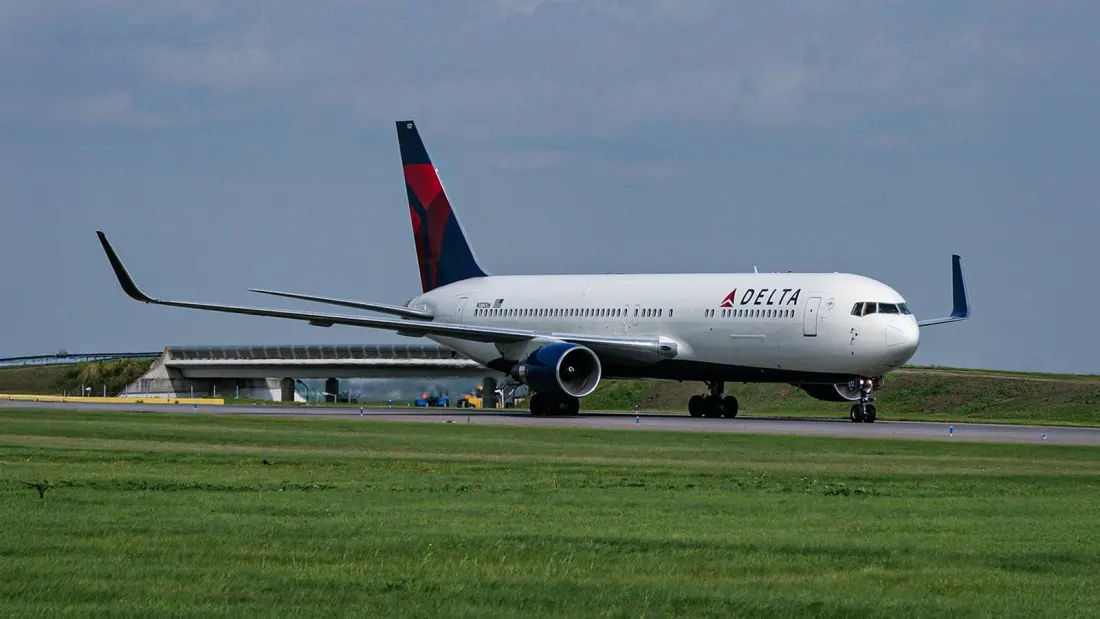
New York–San Francisco is expensive for different reasons: a roughly six-hour westbound flight, strong business and tech demand, and the cost of keeping a widebody or long-haul-configured aircraft on one sector instead of several short ones. But competition and multiple departure airports on both ends keep it from reaching ski-route prices.
The airport-level numbers go further. Average domestic departures from Guam cost $1,576 in early 2026, with Unalaska in the Aleutian Islands at $1,114 — both driven by sheer remoteness rather than resort demand. Among the 100 busiest airports, Anchorage topped the list at $521.54, with Birmingham, Alabama ($497.72) and Madison, Wisconsin ($491.19) showing that high fares aren't just a mountain or island phenomenon.
Context matters too. The Bureau of Transportation Statistics put the average US domestic itinerary at $445.26 in Q2 2026, up 2.0% in inflation-adjusted terms — the highest second-quarter average on record. Rising jet fuel costs add pressure, and the fare figures exclude baggage fees, seat selection and upgrades, so real trip costs run higher still.
For skiers, the takeaway is practical: flying into a resort airport is convenient but costly, especially over peak winter weeks. Flexible dates, flying midweek, or routing through a bigger hub and driving can meaningfully cut the bill. Relief on these routes is unlikely any time soon — airports like Eagle County and Jackson Hole simply can't absorb enough extra flights to force prices down.
Analysis of federal fare data via Simple Flying.