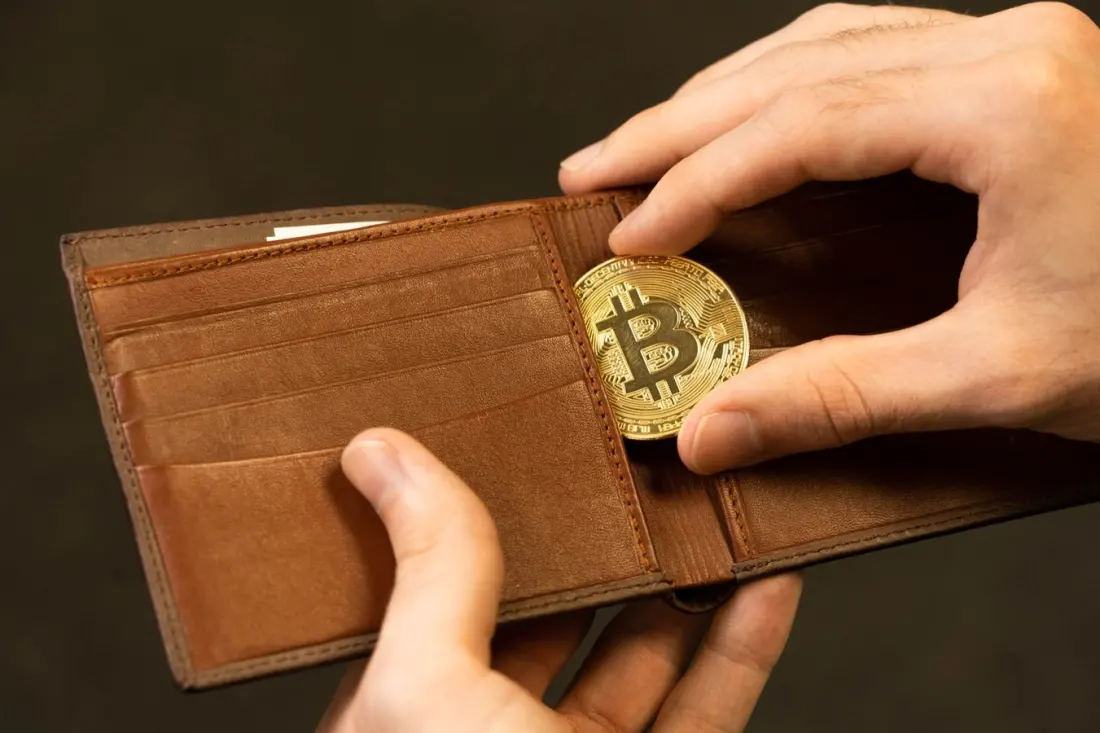
Colombians are moving serious money through digital dollars. Between April and June 2026, US$3.5 billion in stablecoins flowed into crypto platforms connected to the country — an average of US$38.5 million every day, according to a report from fintech firm Vurelo. That puts Colombia among Latin America's most active crypto economies: its wider market hit US$29.1 billion in the year to June, up 13.8%, ranking fifth in the region behind Brazil, Argentina, Mexico and Venezuela.
Why does this matter to travellers and remote workers? Because the same forces driving Colombians to stablecoins affect anyone moving money in or out of the country. Freelancers billing foreign clients, businesses paying overseas suppliers and families receiving remittances all use these dollar-pegged tokens to skip slow, pricey bank conversions. The maths is simple: on a US$1,000 transfer, each percentage point of conversion cost is US$10, and Vurelo's CEO Camilo Suarez notes that thin margins can erase a small business's profit on a sale. The habit is already mainstream — Bitso data shows stablecoins made up 46% of crypto purchases in Colombia in 2025, split between USDC (25%) and USDT (21%).
For visitors, the practical upshot is that Colombia's financial scene is changing fast, but the rules haven't caught up. Stablecoins have no legal status as foreign currency, and crypto holdings don't come with bank-deposit protections. Colombia has no specific stablecoin law — a draft digital assets bill has sat pending since the central bank finished drafting it in March — though from the 2026 tax year, crypto providers must report user data to the tax authority. Anyone using digital dollars for business still owes the usual foreign exchange and tax compliance.
That said, using stablecoins isn't forbidden, and the two dominant tokens, USDT and USDC, are backed by dollar reserves and short-term US government bonds, together holding roughly 90% of the global market. The banks aren't out of the game — they retain trust and experience — but Suarez argues that's no longer enough if international transfers stay expensive and opaque. Watch this space if you're planning an extended stay, working remotely from Medellín or Bogotá, or simply want the cheapest way to get pesos into your pocket.