A 25-day motorhome trip down Croatia's coast shows exactly what a road-trip along the Adriatic delivers — and where it bites. The route runs from Rovinj in Istria all the way to Dubrovnik, roughly 700km of coastline that packs in Roman arenas, Venetian towns, national parks and over a thousand offshore islands.
The upside of travelling by campervan is freedom: you can detour to fishing villages and viewpoints no coach tour reaches. The downside, the trip makes clear, is that wild parking isn't an option. Campers must use official campsites and authorised areas, which can sit far from historic centres and get expensive in summer. Peak-season travel — July and August especially — is the tough window; spring, early summer or autumn is when this route works best.
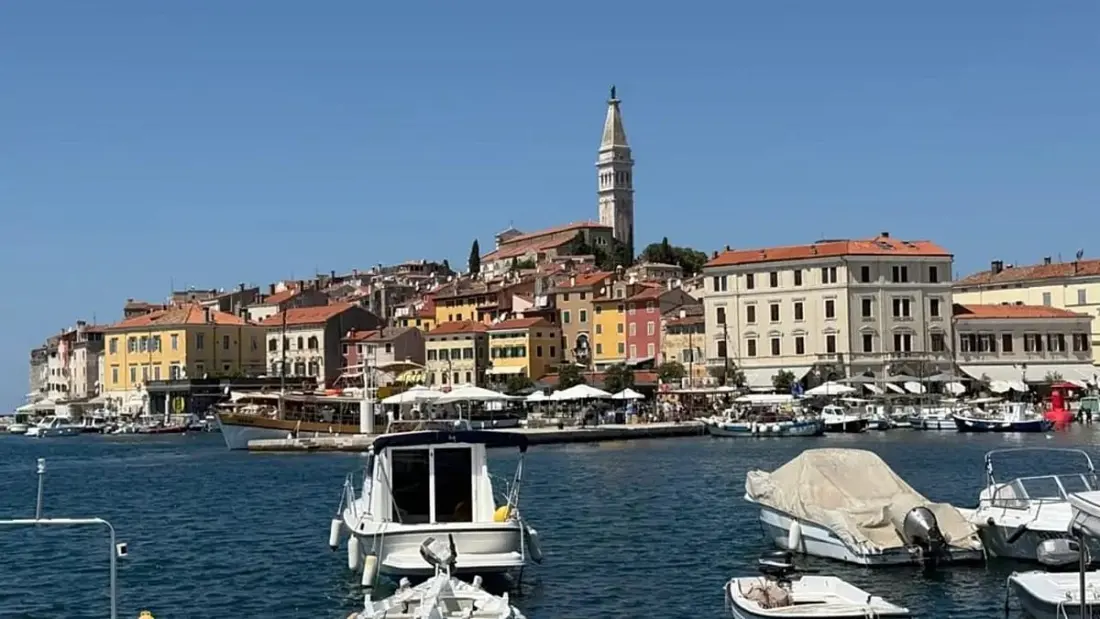
The northern leg is Istria, a heart-shaped peninsula with a strong Italian accent — think hilltop towns like Motovun, vineyards and olive groves, earning it the 'Tuscany of the Adriatic' nickname. Rovinj's cobbled old town sits on a former island beneath the church of St Euphemia, while Pula holds one of the six largest surviving Roman amphitheatres in the world, still hosting concerts today.
East of Istria, Opatija shows off Austro-Hungarian grandeur — grand villas, spas and a 10km seafront promenade ending at the fishing village of Volosko. Then the road runs beneath the Velebit mountains to Nin, a tiny lagoon-ringed island town with a 9th-century church often called the world's smallest cathedral, and on to Zadar, where the Sea Organ turns waves into music and the Greeting to the Sun lights up at dusk. Alfred Hitchcock's famous claim about Zadar's sunset still does plenty of marketing work here.
One inland day belongs to Plitvice Lakes: 16 tiered lakes linked by waterfalls, a UNESCO World Heritage Site explored on wooden boardwalks, with Veliki Slap as Croatia's highest waterfall at around 78 metres. Swimming is banned — look, don't leap.
Back on the coast, Šibenik's stone-built St James's Cathedral carries a frieze of 71 different sculpted heads, Trogir is Dalmatia in miniature, and Split grew inside Diocletian's 1,700-year-old palace, now a living centre of bars, shops and homes. Split's harbour also launches ferries to Brač, Hvar, Šolta and Vis — pricey in high season.
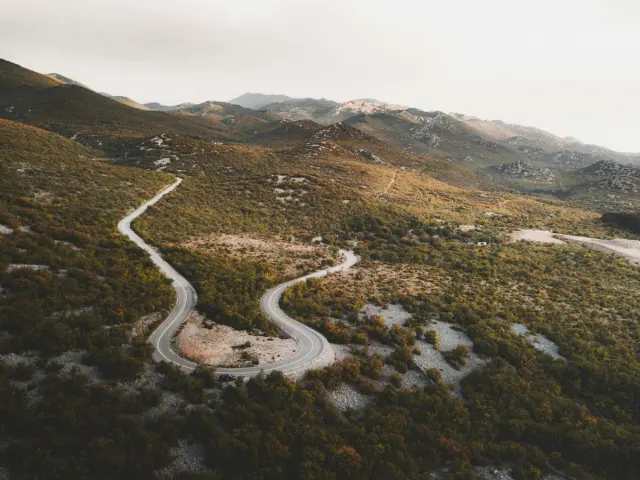
Two of the best stretches come late in the trip. The Makarska Riviera squeezes road, sea and the sheer Biokovo mountains into one scenic ride, and the Pelješac peninsula adds Ston's vast hillside defensive walls plus raw oysters from Mali Ston Bay with a squeeze of lemon. A short boat ride from Orebić is Korčula, its old town built in a fishbone pattern to catch the wind, and claiming Marco Polo as a native son.
Dubrovnik is the finale: a day covers the walls and Stradun, though three lets you add an island trip — Lokrum, just offshore, has a small saltwater lake nicknamed the Dead Sea. Going at sunset, after the day-trippers clear out, is the smart play.
Practical notes worth stealing: bring water shoes and mats, because almost all Croatian beaches are pebbly, and book campsites ahead in summer.
Original report: Euronews Travel