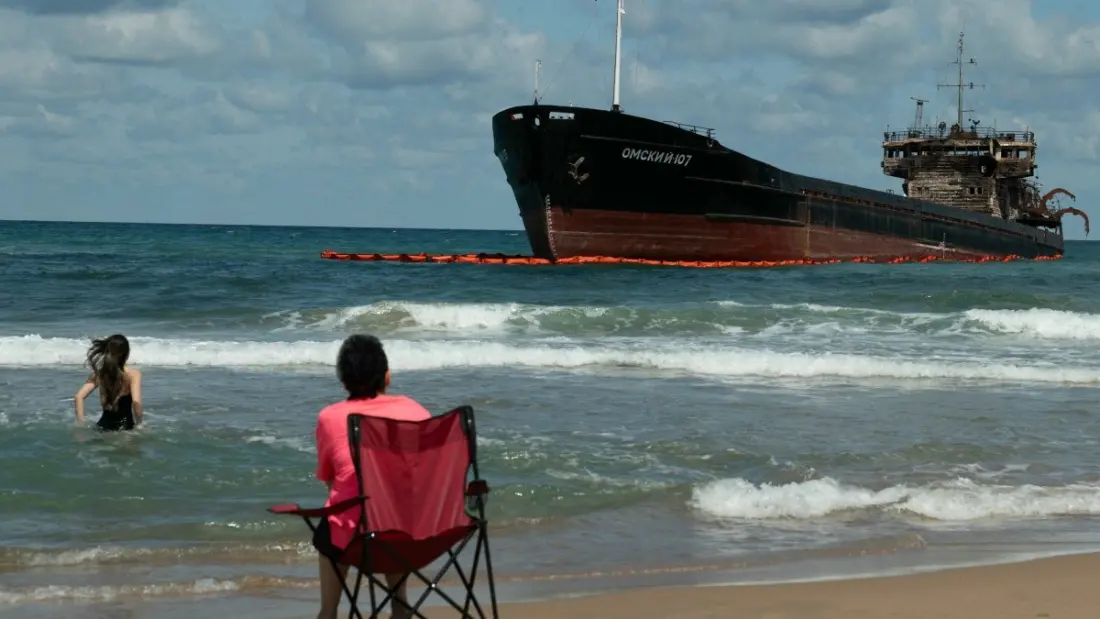
The Black Sea has become one of the trickier stretches of water for commercial shipping since Russia's full-scale invasion of Ukraine, and now there's a diplomatic flicker of progress. Russia's foreign ministry spokesperson Maria Zakharova says Moscow is "working closely" with Ankara to keep shipping safe, responding to a Turkish proposal aimed at ending hostilities at sea.
Türkiye, which borders the sea and controls access through the Bosphorus, has been lobbying both sides to stop attacking civilian vessels. Foreign Minister Hakan Fidan called for a formal moratorium on attacks back on August 8, and President Recep Tayyip Erdoğan has floated reviving the wartime grain corridor framework — the UN-brokered deal that once allowed cargo ships to sail safely from Ukrainian ports. Erdoğan says he plans to raise it directly with Vladimir Putin in November.
Why does this matter to Moscow and Kyiv? Each has been targeting the other's export revenues, and attacks on merchant ships have escalated as the war moves into its fifth year. Turkish-owned vessels have been caught in the middle. In August, the container ship Lider Bordo Mavi was struck by drones off the Russian coast — its bridge deck showed heavy fire damage when photographed anchored at Trabzon — and the Lider Kocatepe, sent to tow it, was hit in a second attack. Türkiye summoned Ukraine's envoy over the incidents, believing Ukrainian drones were responsible. NATO member Türkiye has kept ties with both Kyiv and Moscow and stayed out of Western sanctions, so it's one of the few countries with the standing to broker any deal.
For holidaymakers, the immediate relevance is limited but real. Black Sea cruises and ferry routes have been heavily disrupted since 2022, with several ports off-limits and insurers charging steep premiums. A genuine moratorium on attacks on civilian shipping would be the first step towards restoring routes through the region — think ferry connections between Türkiye, Georgia, Bulgaria and Romania, and the eventual return of cruise calls at places like Odesa and Trabzon. Until a deal actually lands, though, the practical advice stands: check operator advisories before booking anything sailing through the Black Sea, and note that even Turkish-flagged ships haven't been immune.
Watch the November Erdoğan–Putin meeting. If the grain corridor format is revived in any form, it would be the clearest signal yet that civilian shipping in the region is being treated as off-limits again — good news for crews first, but eventually for travellers too.
Story reported by Daily Sabah with Reuters.