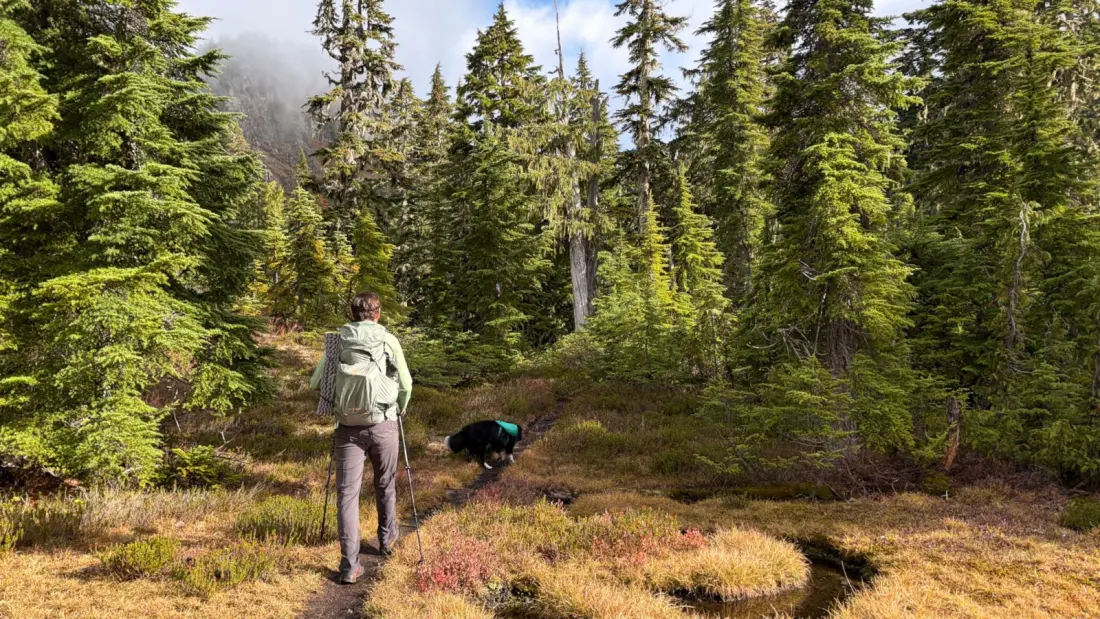
Shoulder-season hikes have a sneaky problem: everything is lighter in your closet and heavier in your pack. Between surprise cold snaps and the possibility of early snow, it's tempting to stuff a five-pound safety blanket into your bag every autumn weekend. Outdoor editors at Backpacker argue that's usually overkill — and they have practical swaps that keep autumn pack weight close to your summer baseline.
The core idea is simple: fall is still three-season territory for most routes, and packing for your worst-case fear is where the extra pounds creep in. Instead of guessing, research historical highs and lows for your trail and factor in elevation, tree cover, windbreaks and exposure. A hiking-specific forecast app like Hiker's Weather lets you set personal thresholds for wind, rain and temperature, so you know exactly how much warmth you actually need rather than hauling expedition gear "just in case."
Most of the legitimate weight increase belongs in your sleep system, because temperatures drop hard overnight. A warmer sleeping bag and possibly a higher R-value pad earn their place. Daytime, though, usually stays comfortable in lightweight hiking layers — so skip the extra active layers, accept a slightly chilly first hour on the trail, or throw on your down jacket until you warm up.
That added sleep-system weight has to come from somewhere, and food is the fastest place to find it. Swap fresh ingredients for freeze-dried meals, repackage everything, and be honest about luxury items: the camp pillow and Kindle may sit this trip out. The author also relaxes a long-held rule about "sacred" camp clothes — on shorter trips, sleeping pants double as morning hiking layers until the sun catches up.
Material choices do quiet work too. Merino or alpaca wool insulates better than synthetics without a weight penalty, down beats synthetic fill for packability and warmth-to-weight, and a lightweight rain shell, hat and liner gloves deliver outsized warmth for very few grams.
One final trick is psychological as much as physical: use your smaller summer pack. A 65-70 litre pack invites you to fill it, while a 45-55 litre bag forces you to be ruthless about what makes the cut.
Why it matters for travellers: these tips apply well beyond backpackers. Anyone heading out on autumn day hikes, hut-to-hut walks or camping trips faces the same packing dilemma, and the same logic — research real conditions, invest weight in overnight warmth, trim it everywhere else — works just as well for a shoulder-season weekend anywhere the forecast looks moody.