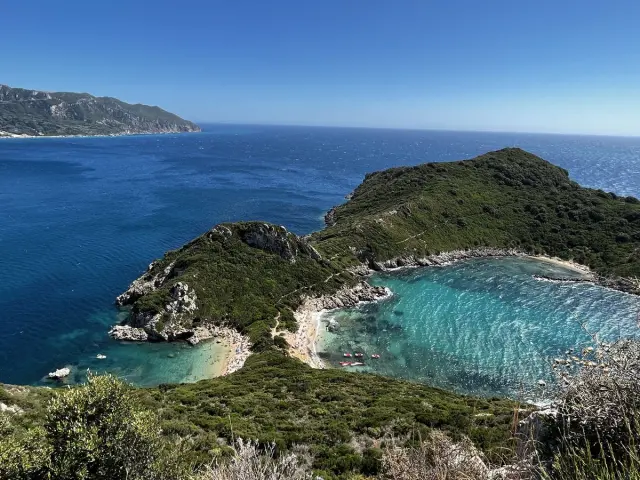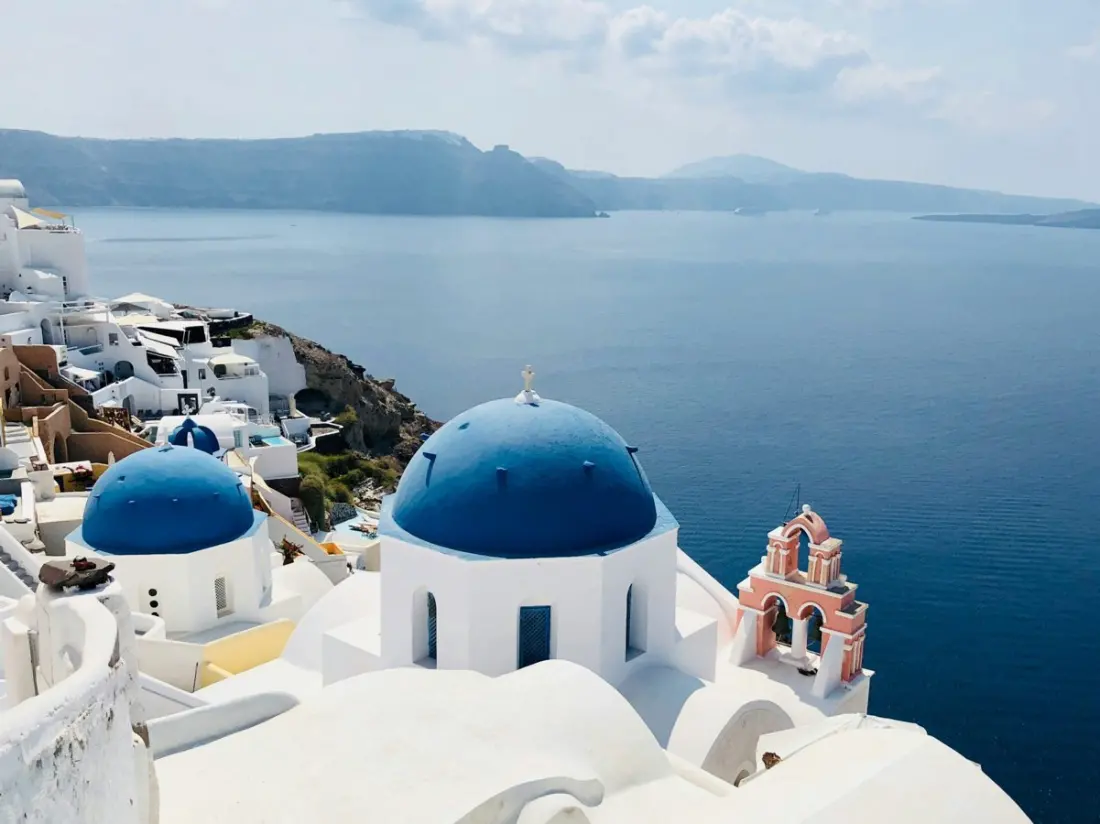
Greece's most famous party-and-caldera islands are plotting a rebrand. At the GNTO Santorini Tourism Forum, held in October 2026, the Greek National Tourism Organisation laid out plans to push Santorini and nearby Mykonos beyond the usual sun-and-sunset image, steering visitors towards gastronomy, wine, culture and wellness instead.
The pitch is grounded in who actually visits. The UK, France and Germany top the source markets, and forum stakeholders say each brings a different appetite. British guests increasingly want premium food experiences; the French, often travelling as couples or solo, favour active trips in the shoulder seasons built around wine and culture. Germans — and Austrians, whose arrivals are up seven per cent — want much the same, plus nature excursions. Crucially, many are repeat visitors hunting for something they haven't done before, which is exactly what a fresh angle is meant to deliver.
Concrete moves are already underway. Santorini has been added to the MICHELIN Guide's map, a significant culinary nod for a small volcanic island. A digital campaign of 32 short videos will roll out on social media, spotlighting local experiences such as pottery classes, cooking sessions, food production and cultural events. Georgia Nomikou, president of the Thira Municipal Council and Tourism Committee, framed the goal as sending visitors home with memorable moments rather than a standard sightseeing checklist.
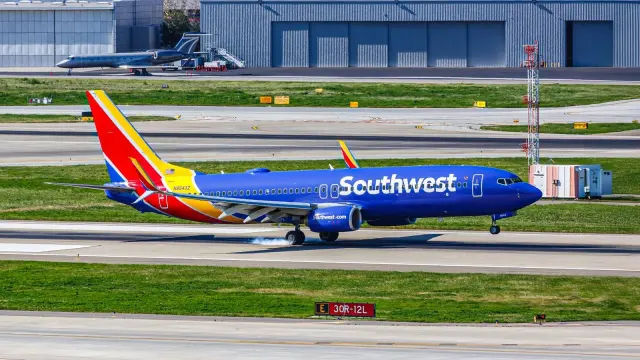
Getting there is getting easier too, and the flight schedules tell you who the campaign targets. Transavia already flies to Santorini from Paris Orly, Nantes and Lyon, and its Santorini routes have been extended to November — perfect for the French shoulder-season crowd. British travellers get Jet2's new May-to-October 2027 programme, adding weekly departures from Leeds-Bradford. Mykonos sits roughly three hours away by ferry, so the two islands can be combined in one trip.
The context matters as well: Santorini dealt with seismic activity earlier in 2026, and the islands' tourism sector is a major contributor to the Greek economy, so broadening the offer is both a resilience play and a growth strategy. The honest test, as the source notes, is turning slogans into a credible year-round product — better air links and restaurant recognition are a start, but the win only counts if it supports residents and protects the caldera views that made the place famous in the first place.
For travellers, this is a good moment to reconsider timing. Shoulder-season trips in May, June, October or even November mean fewer crowds, cooler hiking weather and a better shot at the food and wine experiences the islands are now promoting. If your mental image of Santorini is a cliffside sunset queue, it may be time for a second look.