Just 10% of South Africa's land area produces half of its surface freshwater. That's the striking maths behind a new report from WWF South Africa, released on 10 November 2026, which maps out how to safeguard the country's 22 strategic water source areas — the high-rainfall mountains, grasslands and catchments that feed the rivers and dams most South Africans depend on.
The plan, titled Prioritising a Water-Secure Future for South Africa, was prepared by Conservation Outcomes and builds on 2021 research that identified more than 10 million hectares of water-critical landscape nationwide. For each of the 22 areas, it sets out targeted interventions, investment priorities and governance measures, plus the most vital 50% of every area for biodiversity, freshwater and human wellbeing.
The headline number is sobering: only 19.3% of these water source areas — about 2.5 million hectares — currently enjoy formal protection. But the report also sees room for optimism. It estimates that nearly half of these landscapes could be brought under better conservation management through biodiversity stewardship agreements, with private landowners accounting for 28%, community stewardship 12.8%, and a further 8.8% recognised through other effective area-based conservation measures. The Eastern Cape Drakensberg and Amathole areas are flagged as priority landscapes needing extra attention.
WWF's argument is that South Africa's water troubles can't be fixed by pipes and dams alone. "South Africa's water crisis cannot be solved through infrastructure investment alone. As a water scarce country, now more than ever, we must actively restore and protect the natural places where our water comes from," says Silindile Mtshali, the organisation's Senior Freshwater Technical Specialist. She calls these areas the country's "natural water factories" — degrade them, and the rivers and dams downstream suffer.
The report lands as government rolls out its own 2026 National Water Action Plan and works on a national framework for securing water source areas, so conservation and policy are moving in the same direction for once. The emphasis on collaboration — government, landowners, communities, businesses and NGOs — suggests the stewardship model will do much of the heavy lifting on private and communal land.
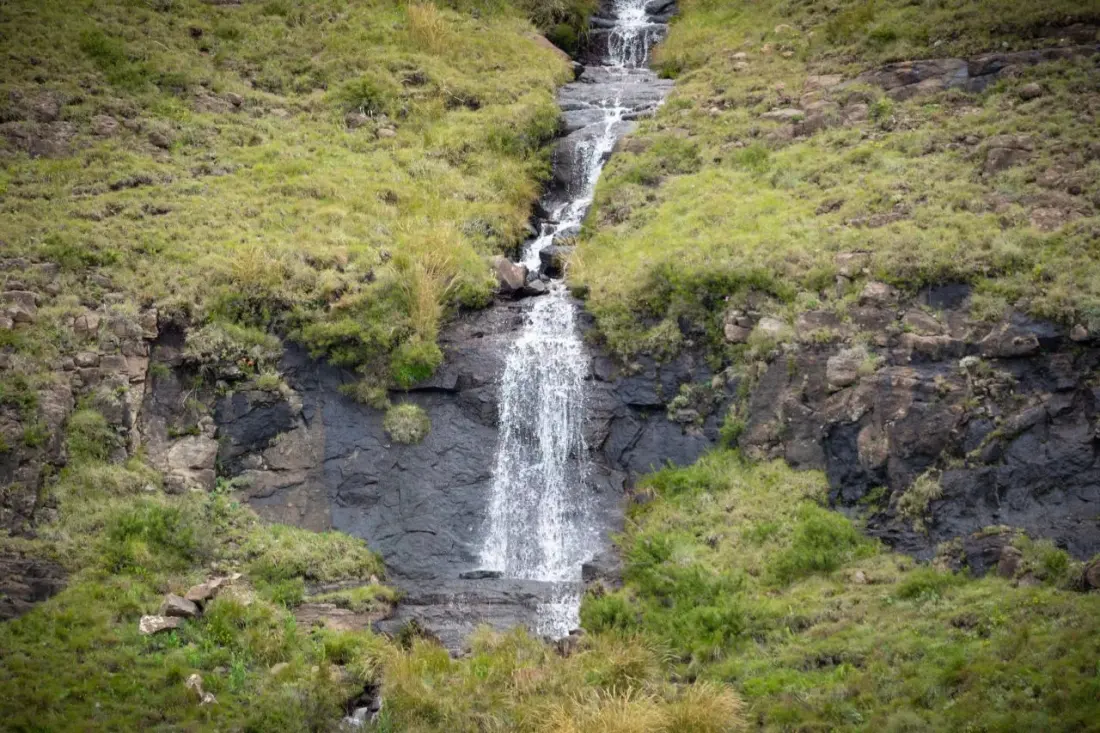
Why should travellers care? Many of these water factory landscapes double as South Africa's finest hiking, fly-fishing and mountain scenery: the Drakensberg escarpment, the Amathole forests and the grassland plateaus of the highveld sources. Healthy catchments mean healthy wetlands, clear streams and wildlife that thrives — the very things that make a trip into these mountains worthwhile. Water security also underpins everything else, from the vineyards of the Cape to the flows that fill safari rivers. Understanding that a walk in the Berg is a walk through the country's water supply adds a satisfying layer to the experience.
For anyone travelling in the Eastern Cape or KwaZulu-Natal, the priority status of the Drakensberg and Amathole areas is a hint of where conservation attention — and possibly future stewardship tourism — will focus next.