Postcard beaches get all the attention in the Pacific, but a recent roundup of seven islands makes the case that the region's real headliners are volcanoes, blue holes, limestone lagoons and some of the densest marine life on the planet.
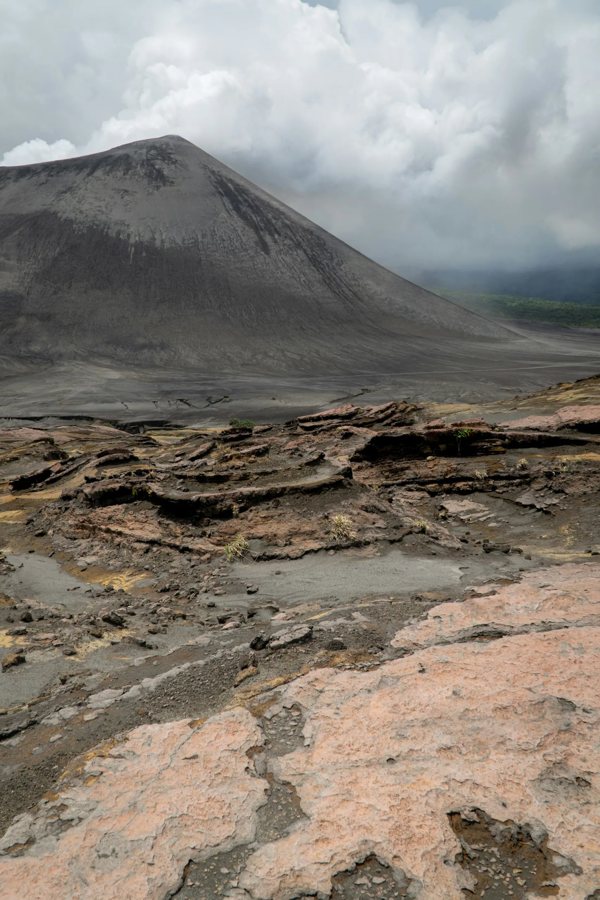
Vanuatu leads the list with two contrasting islands. On Tanna, Mount Yasur has been erupting for centuries, and guided trips (subject to safety conditions) take visitors right up to its ash-covered crater. Espiritu Santo, the country's largest island, swaps fire for water: freshwater blue holes like Nanda and Matevulu glow an improbable blue beneath the jungle, backed by limestone caves and forest trails.
Samoa's biggest island, Savai'i, moves at a slower pace than Upolu and packs in variety. The Saleaula Lava Fields preserve the aftermath of Mount Matavanu's early-1900s eruption, while the rainforests below Mount Silisili — Samoa's highest peak at 1,858 metres — hide waterfalls such as Afu Aau. On the coast, the Alofaaga Blowholes shoot seawater skyward through volcanic rock.
In Fiji, Kadavu is fringed by the Great Astrolabe Reef, one of the world's largest barrier systems, with manta rays, reef fish and pelagics patrolling waters around the protected Naiqoro Passage. Inland there's rainforest, waterfalls and traditional villages — where respecting local protocols matters as much as reef etiquette.
Palau's Rock Islands Southern Lagoon, a UNESCO World Heritage Site, scatters 445 uninhabited limestone islands across turquoise lagoons supporting more than 385 coral species, plus dugongs and sharks. Kayaking, snorkelling and visits to marine lakes are the main draws, best done with authorised operators.
American Samoa's national park is unusual: it spans three islands (Tutuila, Ofu and Ta'ū) and roughly 9,500 acres of rainforest plus 4,000 acres of underwater habitat, with flying foxes overhead and coral gardens below. Ofu's beach and clear lagoon are the standout for snorkellers. Much of the land remains under Samoan communal ownership, so access runs through local arrangements.
Finally, the Marquesas in French Polynesia — UNESCO-listed as Te Henua Enata in 2024 — offer a wilder alternative to Bora Bora. Steep volcanic peaks, cloud forests and endemic species define the archipelago, and nutrient-rich waters attract dolphins and rays where coral reefs are largely absent.
The thread running through all seven: these are living, community-owned environments under pressure. Choosing locally run tours, staying on trails, never touching coral and respecting village access rules aren't just etiquette — they're what keeps these places worth flying to. For travellers bored of resort-and-lagoon itineraries, this is a blueprint for a Pacific trip with more substance.