A horticulturist scrolling Instagram has ended up adding a species to the botanical record. Five years ago, Carlos Magdalena of the Royal Botanic Gardens, Kew spotted photos by US carnivorous-plant grower Jeremiah Harris showing a giant water lily near Inirida, in Colombia's Guainia department. Harris had labelled it Victoria amazonica, but Magdalena knew something was off: no Victoria species had ever been recorded in the Orinoco basin.
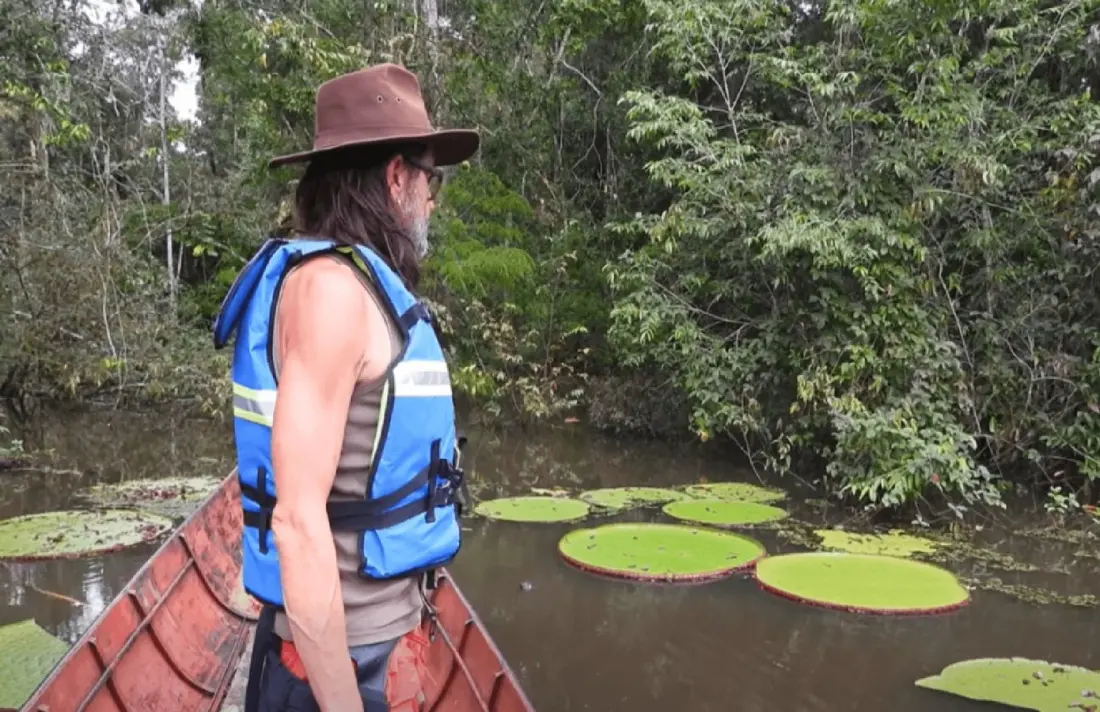
That hunch kicked off a research effort that has now formally described Victoria colombiana in the journal Phytotaxa. Magdalena partnered with Bogota's Jose Celestino Mutis Botanical Garden, which has grown this genus since the 1970s, and with biologist Mauricio Bernal Rodriguez. Satellite imagery helped pinpoint Victoria plants in lakes near the Inirida River, but the decisive step came from Indigenous guides — Nilo Rodriguez, Jaime Hernandez and Gustavo Melo, who run a nature tourism operation — who led a five-day expedition along the Inirida and Guaviare rivers.
The first two plants they found weren't flowering, a problem since fertile material is required to describe a species. Then, just before sunrise, the team reached a small jungle lake and found five more individuals, one in bloom. Seven plants across two lakes were enough to make the case.
Victoria colombiana joins three known relatives in the genus, famous for the biggest leaves of any aquatic plant. The new species' pads stretch up to three metres across. And it is genuinely rare: researchers estimate only 30 to 50 individuals survive in the wild. The team is now preparing an assessment for the IUCN Red List. Among the conservation ideas is establishing a naturalised population in a more accessible lake on Indigenous land — a move that could also seed community-run ecotourism. Seeds will keep being collected so specimens can be cultivated and studied in Bogota.
For travellers, this is a fresh reason to look beyond Colombia's Caribbean coast and Andean coffee towns. The Inirida region, in the eastern Orinoquia savannah-and-jungle borderlands, is one of the country's least-visited corners, and Indigenous-led guides there now have a genuine botanical superstar on their doorstep. Seeing a flower you can only find in a couple of remote lakes is about as exclusive as nature tourism gets — and visiting with local operators directly supports the communities protecting it. Magdalena put it plainly: Indigenous knowledge, social media and technology combined to reveal something exceptional, a reminder that nature still holds surprises.