A cold that would send most of us to bed became the backdrop for one of the tougher days on the Arizona Trail, as a long-distance hiker writing for The Trek logged roughly 30 miles between a cold campsite and the North Rim of the Grand Canyon while fighting fever, chills and a stubborn cold.
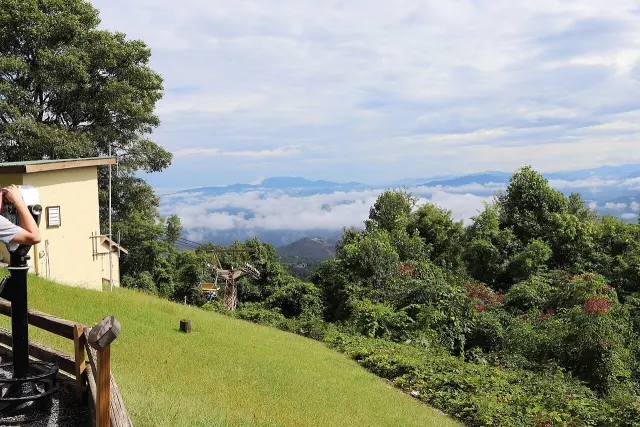
The day began badly. A sleepless night of congestion and hot-and-cold sweats left the writer starting before dawn with cold medicine running low and days of hiking ahead. Packing up in the dark with a trail companion known as Slide, they walked into a striking sunrise over open field and forest, and slowly the medicine started doing its job. By mid-morning the trail had climbed into high, open country the writer compared to Colorado, complete with a massive overlook topped by a stone picnic table — the kind of unplanned highlight that makes a hard day on foot worth it.
Around 1 PM came the milestone: crossing into Grand Canyon National Park. Normally a thru-hiker would descend straight through the canyon itself, a signature stretch of the Arizona Trail, but recent flash flooding has that section closed. Instead, the plan is to reach the North Rim, camp at the hiker campground, and hitch to the South Rim — with a detour in the works to join friends who hold permits to enter the canyon from Flagstaff between October 12 and 14. Even without the through-hike, they'll see the Grand Canyon on their own terms.
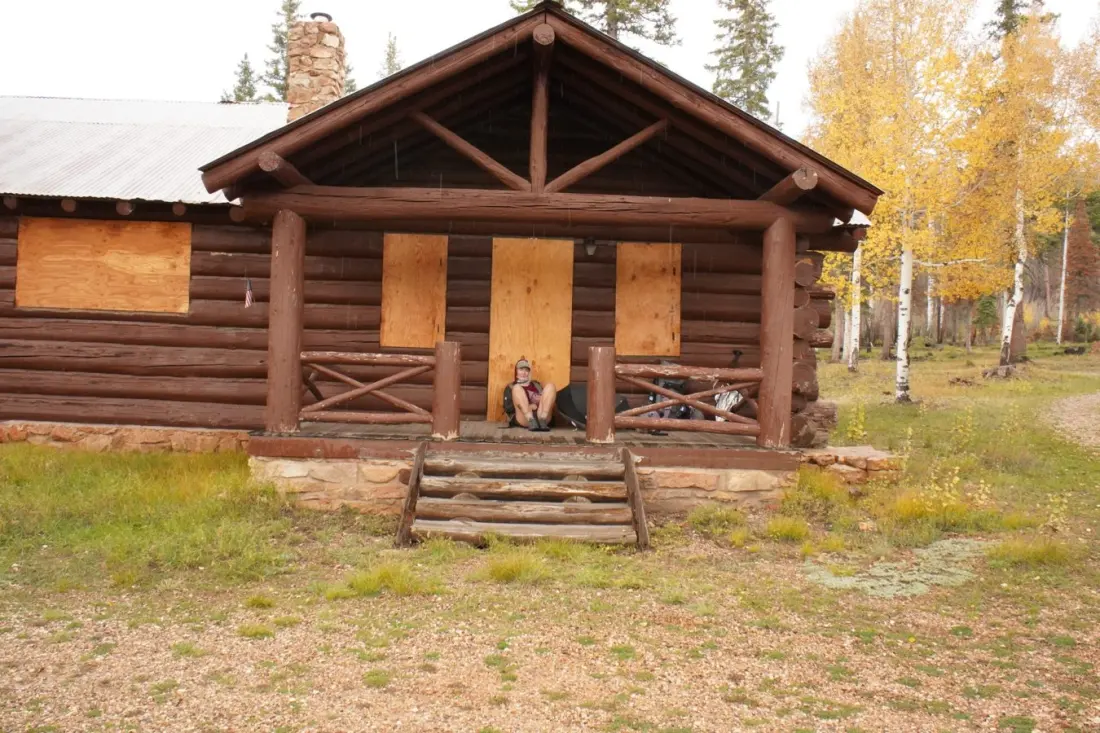
The afternoon tested them. Energy drained, appetite vanished, and only a hot ramen lunch cooked by Slide in a shaded burn area revived matters. A burst of cold rain and even hail sent them sheltering under a ranger station porch, but the storm passed quickly. The final six miles were road walking: fire damage and exposed electrical lines near the water cache have forced the trail onto pavement all the way to the North Rim. Feet ached, nausea crept in from too little food, and a "visitor center 3 miles" sign prompted an involuntary yell of despair — though camp turned out to be just a mile and a half away. Tent up in record time, the writer fell asleep without managing a single bite or sip.
Worth noting for anyone eyeing this stretch: the North Rim is still recovering from a major fire last year that destroyed the historic lodge by the main overlook, and water has been turned off at the rim entirely. Hikers need to cache or carry everything, and a well-stocked water cache and bear box along the road section are lifelines. It's a vivid, honest window into long-distance hiking — the grim arithmetic of miles when your body quits, and the small mercies (a friend's ramen packet, a dry porch, luck with the weather) that carry you through. If you've ever wondered what a 30-mile day actually feels like, this is it.