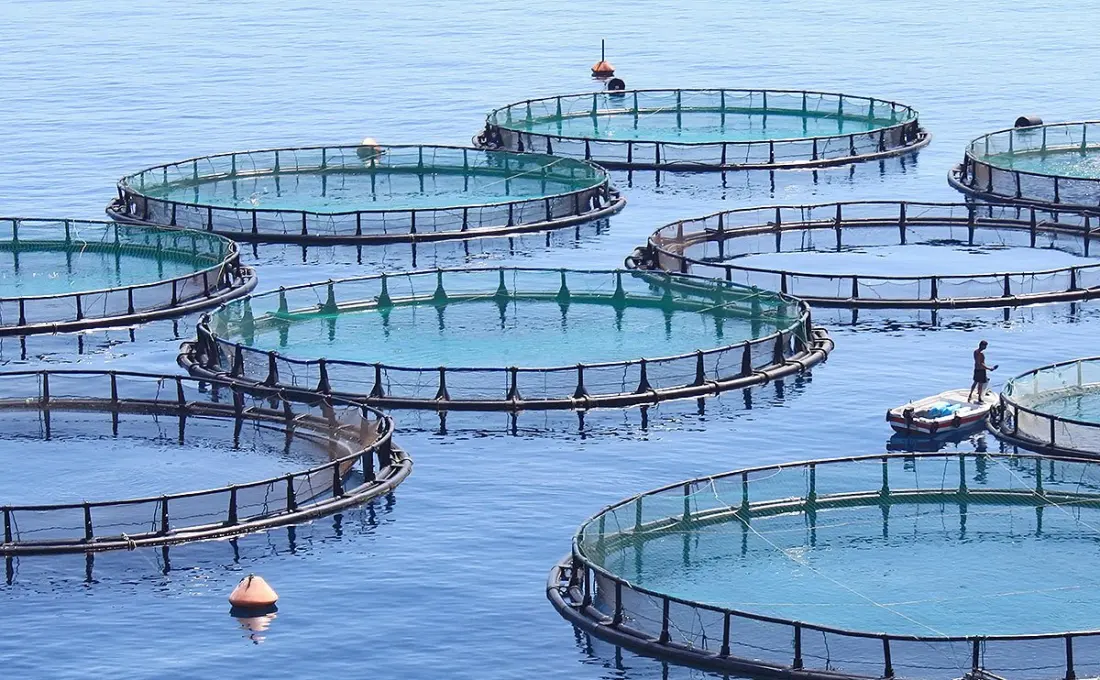
From 4 November, farmed fish and crustaceans raised in Egypt can be legally exported to all 27 EU member states. The European Commission adopted Implementing Regulation 2026/2228 on 14 October, approving Egypt's aquaculture monitoring plan and extending an authorisation that previously covered only wild-caught fishery products.
The decision matters because Egypt is Africa's aquaculture giant. The country produced roughly 1.6 million tons of farmed aquatic animals in 2024, about two-thirds of the continent's total, according to the FAO — Nigeria, in second place, managed around 300,000 tons. The EU, meanwhile, imported 5.9 million tons of seafood in 2024 worth USD 33.6 billion, and produces only about 38 percent of what it eats. That gap is what Cairo hopes to fill.
Approval doesn't mean an automatic flood of fish. Exporting plants must comply with EU hygiene rules, appear on approved lists tracked through the Commission's TRACES-NT system, and every consignment still needs official certification and will face border checks. Egypt had to provide guarantees on controlling pharmacologically active substances, pesticides and contaminants to get there.
The timing fits a broader warming between Cairo and Brussels. The two sides signed a strategic and comprehensive partnership in March 2024, backed by a USD 8.5 billion financial package, and the EU already takes more than 22 percent of Egypt's goods trade. Egypt shipped about 44,690 tons of fish in 2025, worth roughly EGP 1.6 billion (USD 29.9 million), and the fisheries agency is targeting around 53,400 tons for 2026.
Analysts quoted by Ahram Online see knock-on potential in filleting, freezing, packaging and cold storage — areas where the industry has historically trailed. The caveats are real, though: competitiveness hinges on feed, energy and transport costs, plus the expense of meeting European standards. The opening also feeds into the government's target of USD 115.8 billion in annual export earnings by 2030.
For holidaymakers, the significance is quieter but genuine. Egypt's fish farms, clustered around the Nile Delta and the Kafr El-Sheikh region, underpin the grilled tilapia, sea bass and shrimp that show up on Red Sea and Alexandria menus. A sector now held to EU contaminant and hygiene standards should mean better-run farms and, in time, more pride and investment in Egyptian seafood — something travellers eating their way along the Mediterranean coast may taste before long.
Travellers with an interest in food systems will also find the Delta's aquaculture landscape an increasingly visible part of any trip through northern Egypt, and a reminder that the country's culinary reputation extends well beyond koshari and falafel.