Glass skin – that poreless, light-reflecting glow – has become one of South Korea's most successful cultural exports, right alongside K-pop and kimchi. But when a beauty writer went to Seoul to find out whether the rest of us can actually achieve it, the answer turned out to be more interesting than any seven-step routine.
First surprise: locals barely use the term. Dermatologists like Dr Lee Joon of DOD Dermatology Clinic say 'water-glow' or 'chok chok' skin – moist, bouncy and hydrated – has always been the local ideal, and it's shifting further towards skin that simply looks plump, firm and healthy rather than shiny. Part of the Korean advantage is genetic: East Asian skin tends to have smaller pores and wrinkles later. But studies credit climate and cosmetic habits nearly as much as DNA, which means the glow is partly learnable.
And learned it is. Step into Olive Young, Korea's everywhere beauty chain, and you'll notice shoppers searching by ingredient – retinol, niacinamide, PDRN – rather than brand. Experimentation is low-risk when a bestselling VT Cosmetics PDRN range for Daiso costs between ₩1,000 and ₩5,000, roughly 60p to £3. The medical advice, meanwhile, is refreshingly unglamorous: gentle cleansing, hydration with hyaluronic acid, barrier support with ceramides, and daily sunscreen. Consistency, the doctors insist, beats product-count every time.
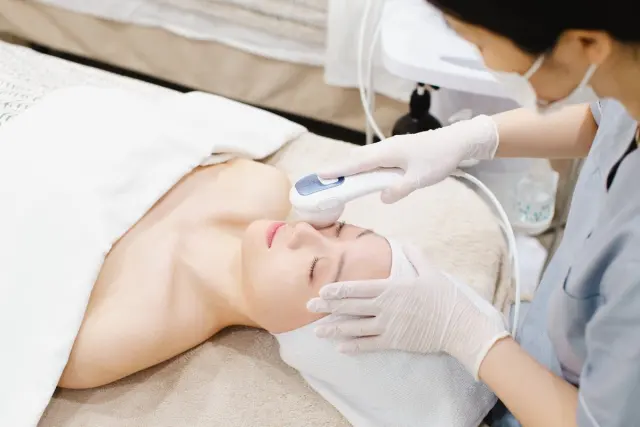
The real draw for visitors is the clinics. Gangnam alone counted 445 dermatology clinics in 2023, treatments often cost around half of UK prices, and a crowded domestic injectables market has collapsed the price of botulinum toxin vials to about a quarter of what they were. Small wonder foreign patients topped two million in 2025, with over 62% heading for dermatology. The writer's own day-long plan combined an M22 laser for pigmentation, targeted CO2 resurfacing, Ultherapy Prime and Thermage FLX for firming, and Re2O – an injectable made from processed donated human skin, rich in collagen and elastin. It hurt, and there was bruising and peeling for a while, but a month later the skin was visibly clearer and firmer.
There are caveats. Pore architecture can't be changed, paler skin tolerates energy-based treatments more easily, and deeper skin tones need a clinic that understands melanin-related hyperpigmentation risks. But the bigger takeaway costs nothing: Korean skin health is cumulative – hydration layered in thin coats, fermented foods for the gut-skin link, collagen sticks from the convenience store – not a finish you buy in one sitting.
For travellers, Seoul is arguably the world's best-value destination for aesthetic treatments, and the skincare shopping alone justifies the trip. Come for the lasers if you like, but leave with the habits.