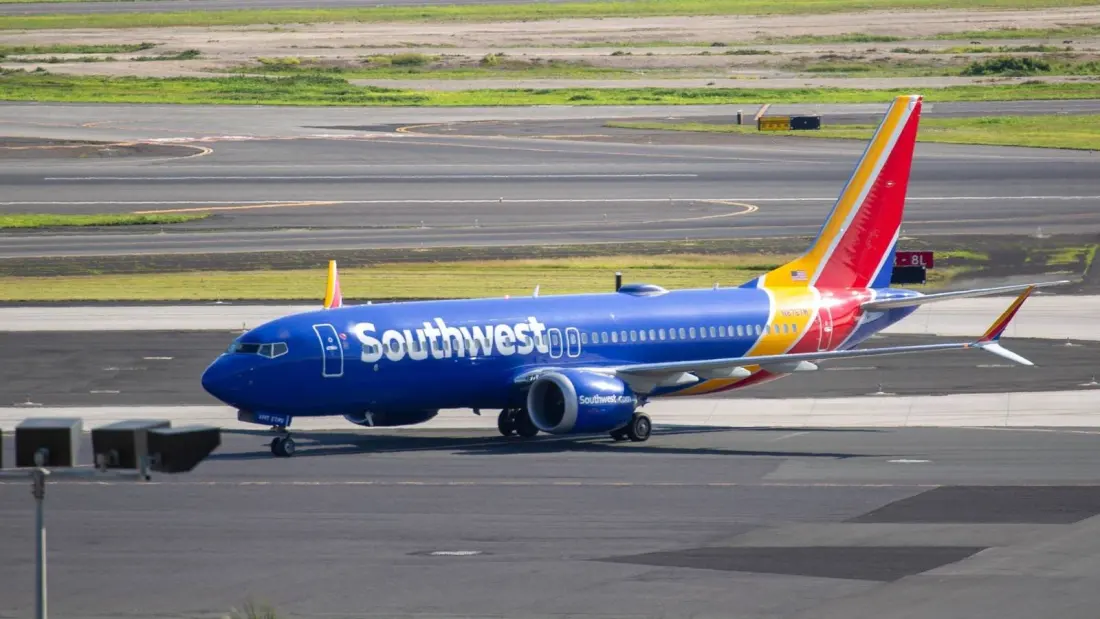
A Southwest Airlines flight bound for Rochester, New York turned back to Orlando International Airport on Tuesday, September 29, after hitting a bird during takeoff. Flight 2821 landed safely and no one was hurt; the airline shuffled passengers onto a second aircraft to finish the trip. The crew, the airline said, followed standard procedure, and neither Southwest nor the airport has said whether the plane sustained damage.
Turning around after a low-level bird strike is routine, not drama. Pilots can't see an aircraft's engines, nose cone or wing edges from the cockpit, so a ground inspection is the only reliable way to rule out hidden damage. Altitude matters too: the FAA says roughly 70% of wildlife strikes happen below 500 feet, when planes are slow and close to the runway — and usually just minutes from a staffed airport with mechanics and emergency crews on hand.
The timing fits a pattern. FAA data shows 24,447 wildlife strikes reported in 2025, up 9.3% on the previous year, with 870 US airports logging at least one. About 97% involve birds. Serious outcomes are rare — 89 deaths and 128 destroyed aircraft since 1990, with US Airways Flight 1549's Hudson River ditching in 2009 the famous outlier — and over half of all bird strikes occur between July and October, putting this flight squarely in the busiest window.
Orlando is a particular hotspot. MCO sits among low-lying ponds and wetlands, and cattle egrets nesting on airport land are a known hazard. A WFTV investigation found MCO logged 284 wildlife strikes in about 18 months, far more than Miami or Jacksonville. The airport runs one of the few dedicated in-house wildlife teams in the country: crews use pyrotechnics and noise to clear birds from flight paths and even relocate fish from nearby ponds to cut off a food source across the airport's 21 square miles. Its wildlife biologist, Johnny Metcalf, argues a high strike count often reflects strong reporting rather than an unusual bird problem — most Florida strikes cause no damage at all.
For travellers, the takeaway is simple: a post-strike return is a sign the system worked, not a reason to worry. Expect a delay and a plane swap rather than anything worse, and if you're flying through Florida in late summer or autumn, you now know why geese and egrets feature so heavily in the safety briefings.