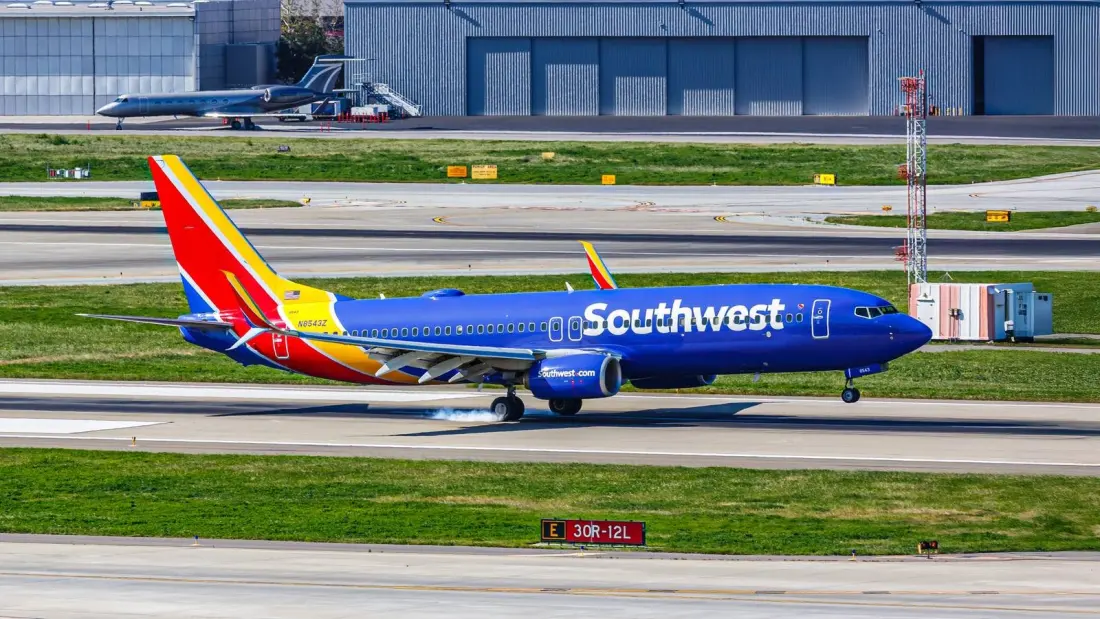
Southwest Airlines has built its entire business on one aircraft: the Boeing 737. With 799 planes currently in service — 268 737-700s, 188 737-800s and 343 737 MAX 8s — it is by far the largest 737 operator in the world. Now the Dallas-based carrier plans to go one step further and retire every remaining 'NG' generation aircraft, leaving just the MAX 7 and MAX 8 by 2031.
The logic is straightforward. The 737-700s, which average 20 years old, are the least economical planes in the fleet and fly a lot of short, high-cycle routes. The 737-800s are a surprise: at an average of just 11 years old, they're still efficient. But because used 737-800s are in high demand on the second-hand market — new 737 deliveries are years behind thanks to Boeing's enormous backlog — Southwest can sell them at strong prices while it has no urgent need to grow. Consolidating on the MAX 7 and MAX 8 also means one engine type across the whole fleet, lower fuel burn and maximum swap flexibility, since the two MAX variants differ essentially only in fuselage length.
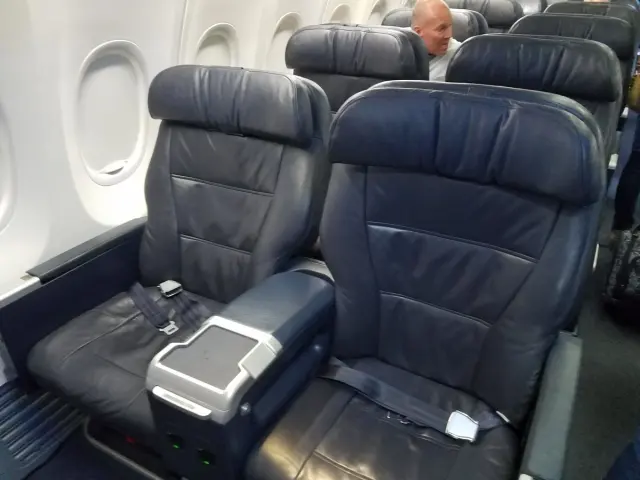
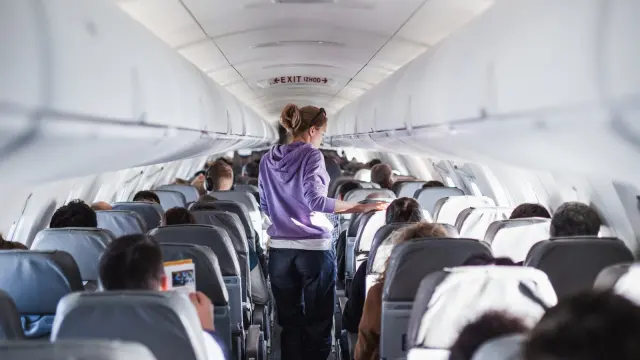
Southwest remains the only airline with firm orders for the 737 MAX 7 (269 of them, alongside 500 MAX 8s), and once the newly certified MAX 7 enters service, the -700 retirements should accelerate. In the meantime, passengers will notice upgrades on the planes still flying: the fleet has just been refitted with extra legroom seating — 175 seats on the 737-800s and MAX 8s, 137 on the smaller -700s — and USB in-seat power is being installed fleetwide. Some 737-800s are also getting the Boeing Sky Interior with mood lighting and bigger Space Bins overhead bins.
The more intriguing subplot is that Southwest's famous one-type-fleet ideology may not survive the decade. The airline has already scrapped free checked bags for all, added extra legroom products and is building lounges. It has been signing partnerships with foreign carriers, and while a 737 MAX 8 could plausibly reach Iceland from the US East Coast, recent reporting suggests Southwest is seriously weighing its first-ever widebody order — with the Boeing 787 a leading candidate. That would open the door to Europe and Asia, and even Hawaii routes from mid-country bases like Nashville or Baltimore.
Why should a traveller care? If you fly Southwest, expect a gradually newer, quieter and better-equipped fleet with consistent cabin features by the early 2030s — and, in the longer run, the possibility of booking the airline for far longer flights than it has ever offered. The scrappy domestic carrier is quietly repositioning itself to compete head-on with the big legacy airlines, and the fleet shake-up is the clearest sign yet.