Colombia's beloved fixed-price lunch, the corrientazo, is caught in a quiet price squeeze this year — and travellers ordering a bandeja paisa or a sancocho will notice it too. Beef cost 14.22% more in September than a year earlier, while the basket of ingredients for a typical Colombian lunch jumped 22.4% in twelve months, from roughly US$4.87 to US$5.93 per person, according to university analysts.
The roots of the rise are in the pasture. The country produced 523,941 tons of beef between January and August, down 1.9% year on year, and slaughter numbers fell 1% in the first nine months. Cattle ranchers' federation Fedegan points to the weather: floods in the Caribbean department of Córdoba were followed by a harsh dry season, leaving animals underweight. Fattened cattle now sell for an average of 9,391 pesos per kilogram — up 9.2%, and equivalent to US$2.67 per kilo, more than Brazil's US$2.45.
That gap has consequences beyond the farm gate. Colombian beef exports dropped 43.3% between January and July, while imports rose 21.2%. Overall inflation sits at 6.29%, and eating out is driving it: restaurant meals rose 9.44% over the year, the single biggest contributor to annual inflation.
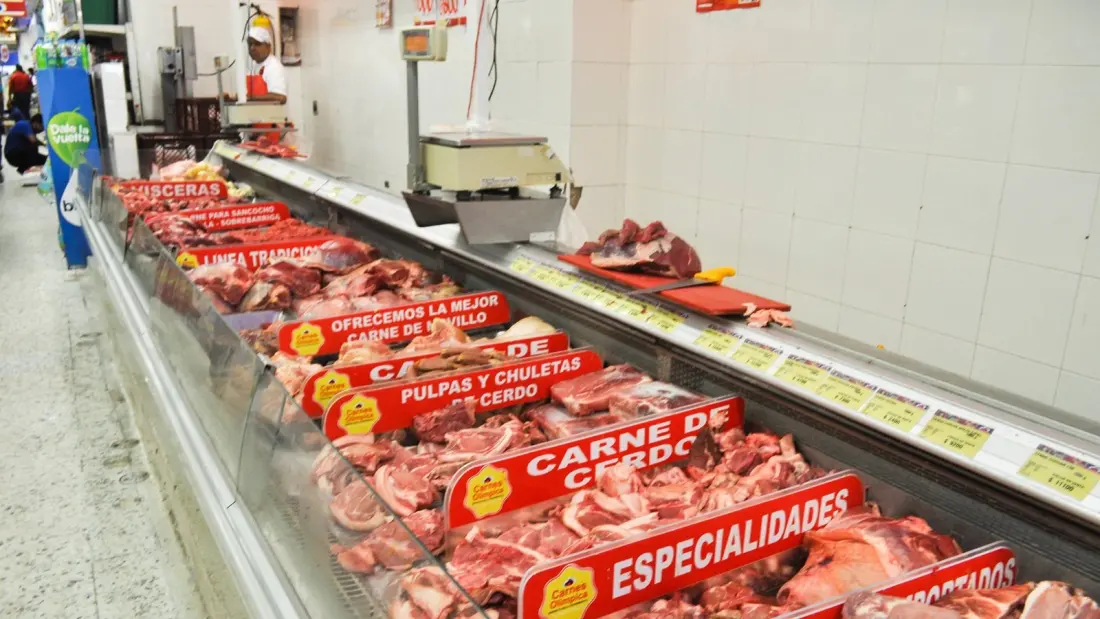
Not every protein is behaving the same way. Chicken is up just 2.5% and pork has actually fallen 6.2%, while beef climbed 13.2% from January to August. Bancolombia's economists expect families and kitchens to substitute accordingly. Potatoes are the wild card — up a staggering 78.24% — which hurts dishes where meat and spuds share the plate.
For anyone planning a trip, the takeaway is simple: budget a little more for hearty, meat-heavy meals, especially classics built on beef. Street-level lunch deals are still among the best value in Latin America, but expect prices to edge up. Pork dishes like chuleta valluna may actually be the smarter order this year. Analysts also flag a possible strong El Niño, which would bring drought and could tighten supply further — a good reason to assume food costs stay elevated into 2027.
Figures here reflect ingredient costs, not menu prices, so don't be surprised if the increases feel softer or sharper depending on where you eat. But with restaurant prices rising faster than overall inflation, Colombia in 2026 is a destination where the food is as delicious as ever — just fractionally less of a bargain than it used to be.
— Source: Colombia One