Southwest Airlines has quietly stopped being the airline everyone thought they knew. The carrier that built its name on open seating and two free checked bags now charges for both — and, according to new figures, around 60% of its passengers are paying for seat add-ons, up from roughly 20% before the changes. That's a striking vote of confidence in a strategy many frequent flyers swore they'd hate.
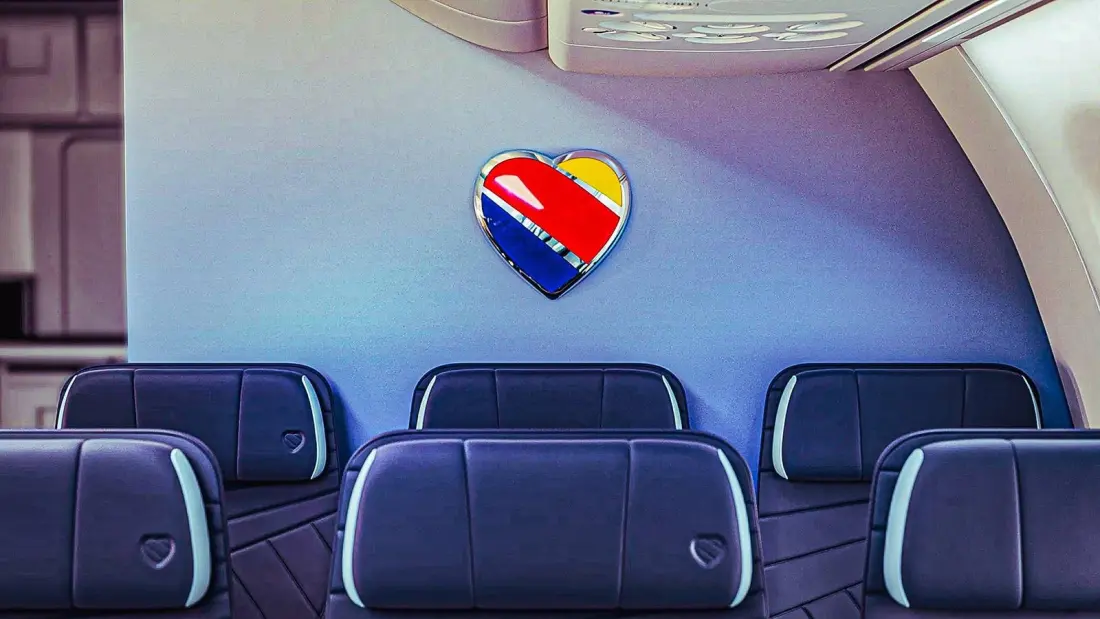
The overhaul touches nearly every part of the flying experience. The old lettered-and-numbered boarding free-for-all is gone, replaced by eight boarding groups. Seats are now assigned — either at check-in or paid for in advance — with extra-legroom options sold across the entire Boeing 737 fleet. Fare classes have been rebranded, and checked bags carry a fee. The planes still wear the same livery, but the product is unrecognisable compared with five years ago.
What's interesting is why the changes happened and why they've stuck. Southwest was profitable for nearly five decades until the pandemic, but its slow recovery made it a target for activist investor Elliott Investment Management, which argued leadership had failed to adapt. Most of the new policies arrived under Elliott's influence, and the financial results suggest they worked: profits are up, and customers are buying extras in far greater numbers than before.
The deeper lesson is about what loyalty actually meant. Elliott's own research found open seating actively drove customers away, and it turns out most Southwest loyalists stuck around for the network, schedules and famously friendly crews — not for the quirks. Losing free bags and assigned seating didn't cost Southwest its base; if anything, flyers seem to welcome the option to pay for legroom or guarantee a specific seat, since that's now standard practice on essentially every US airline.
Southwest today sits in the 'hybrid carrier' category alongside Alaska Airlines and JetBlue — pricier than the true budget outfits like Frontier and Allegiant, but without the first-class cabins of the legacy three. That gap may not last. Rumours persist that Southwest is seriously weighing a domestic first-class cabin, and it's reportedly planning a premium Chase credit card above its current Rapid Rewards range, plus a lounge network tied to it. There's even talk of long-haul flying — Iceland is within reach of its 737 MAX 8 fleet, and Icelandair is already a partner — though CEO Bob Jordan has only hinted at widebodies down the line.
For travellers, the practical takeaway is that the old Southwest playbook no longer applies. If you want a decent seat, pick and pay early rather than relying on a rushed arrival at the gate. The flip side: fares on the new basic tiers can still be competitive, the domestic network remains one of the densest in the US, and the onboard service reputation hasn't changed. What was once a quirky equal-for-all airline is now a conventional hybrid carrier — and its customers, it turns out, are fine with that.