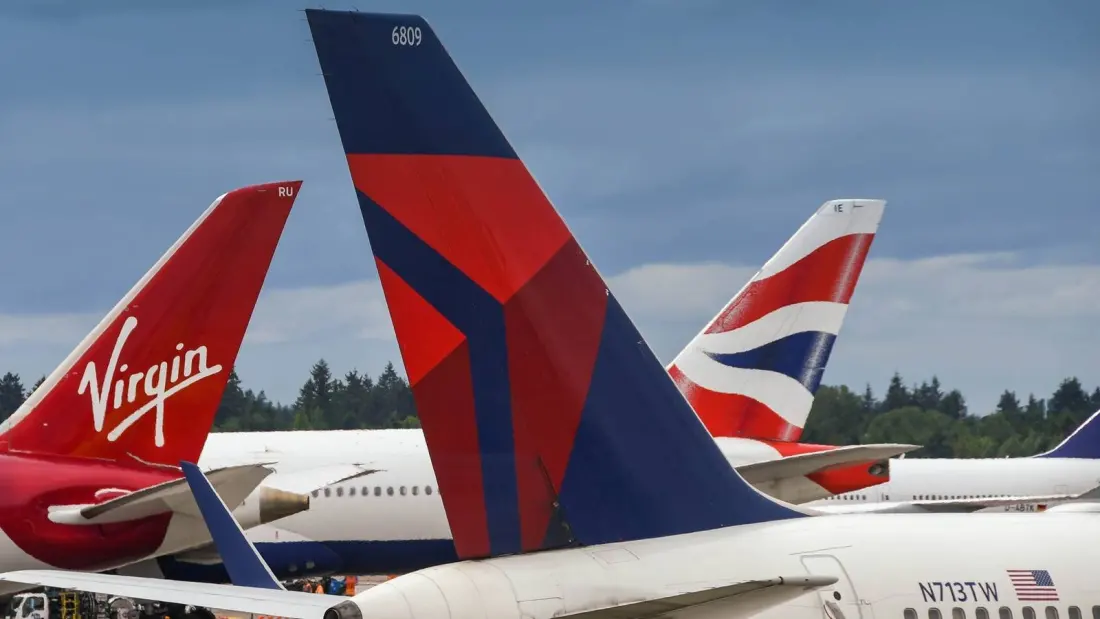
Delta Air Lines is threatening a fight with Heathrow Airport after the London hub ruled that the US carrier must move from Terminal 3 to Terminal 4 in 2028, separating it from its closest UK partner, Virgin Atlantic. Delta CEO Ed Bastian called the decision short-sighted and bad for consumers, and says the airline will pursue all available remedies to reverse it.
The move came out of Heathrow's once-a-decade capacity review, which ordered five airlines to change terminals in 2028. For Delta and Virgin, who have shared Terminal 3 for over a decade, the decision undoes a tightly integrated operation: joint check-in and ground handling, coordinated transfers, and shared premium spaces like the Virgin Atlantic Clubhouse and the arrivals-focused Revivals Lounge. Delta holds a 49% stake in Virgin Atlantic, and the two run a deep transatlantic joint venture, so co-location is not just cosmetic — it keeps connections under one roof. If Delta moves to Terminal 4, passengers connecting between the two carriers would face a bus transfer across the airfield.
Both airlines are pushing back. Virgin Atlantic is weighing legal options, and SkyTeam — the alliance both belong to — argues the relocation would disadvantage its members relative to rivals whose partner airlines sit in the same terminal. Delta's argument is that the airport's decision disregards years of investment and the customer benefits that come from a single-terminal setup, and it is urging Heathrow Airport Limited to reconsider.
Heathrow's side of the story is about capacity and congestion. As one of the most slot-constrained airports in the world, the review is meant to free up space and ease pressure across the airport's terminals. The relocation is scheduled for 2028, so there is time for the dispute to play out — and given the legal threats, it likely will.
Scale matters here: Delta serves seven year-round US gateways from Heathrow (Atlanta, Boston, Detroit, Minneapolis/St Paul, New York-JFK, Salt Lake City and Seattle), matching United. Virgin Atlantic flies year-round to ten US cities plus a seasonal Seattle route, alongside a wide international network stretching from the Caribbean to Cape Town, Delhi, Johannesburg, Seoul and seasonal spots like the Maldives and Phuket. Plenty of holidaymakers connecting through Heathrow between the US and leisure destinations in Africa, Asia and the Indian Ocean will feel this if the split goes ahead.
Why it matters to travellers: if you book Delta-Virgin itineraries via London — a very common routing for transatlantic trips with onward connections — the change could mean longer, bus-dependent connections and losing the shared lounges that make Terminal 3 transfers painless. Nothing changes until 2028, and with both carriers threatening legal action, the terminal map may yet be redrawn again.