A patch of icy rock roughly the size of a coffee table, 4,700 feet up in the Adirondacks, was home for one Canadian climber for seven hours last month — and his patience is being credited with saving his life.
Eric Le Bourhis, 60, was climbing the Trap Dike route on Mount Colden, a 4,714-foot peak near Lake Placid, on October 21 when things went wrong. The route is rated Class 4, meaning hands-and-feet climbing where a fall can be fatal. He stopped to put on crampons after hitting ice, and the bag holding them slid down the mountain. Suddenly he couldn't go up — and the wet rock he'd ascended earlier had frozen, so he couldn't safely come down either. A cluster of trees sat just seven feet away, but jumping the icy gap risked a deadly fall.
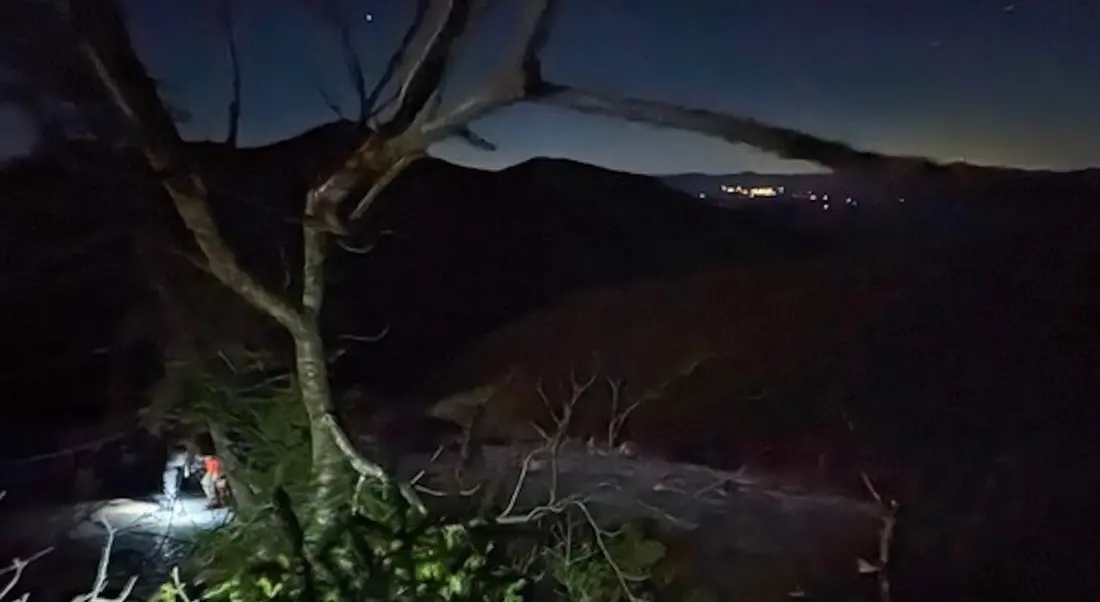
He agonised over that jump, he later told rescuers, then activated his satellite distress beacon as the sun set. Dispatch received the signal at 6:22 P.M., but Le Bourhis had no way of knowing whether anyone had heard it. With no room to sit, he stood for seven hours, headlamp on its lowest setting, staring at the ground because looking out at Lake Placid made him wobbly. Forest rangers reached him at 1:16 A.M., secured him to a rope system, and walked him out; the operation wrapped around 8 A.M.
Search and rescue experts say he did everything right. Chris Boyer of the National Association for Search and Rescue told Outside that desperation makes stranded people move more, and moving more leads to worse decisions — trying to cross streams or downclimb terrain they shouldn't. Staying put gives rescuers a fixed point to search, though Boyer notes you should still move if you face an immediate threat like an avalanche or lightning. Panic, he says, often convinces people that nobody is coming and they must walk out alone. That's usually the wrong instinct.
There's a second lesson too: don't feel guilty about triggering the beacon. Le Bourhis admitted he felt shame for using a device he never expected to need. Boyer's counterpoint is blunt — roughly 99 percent of US search and rescue personnel are volunteers who train hard and genuinely want the call.
For holidaymakers, the story is a useful gut-check for anyone eyeing the Adirondacks' high peaks or similar terrain. Even experienced climbers on familiar routes can get trapped by a single piece of lost gear and a drop in temperature. Carry a satellite beacon or communicator, know how to use it, and if things go sideways, resist the urge to fix it yourself.